Do You Have to Pay Taxes on Stocks?
Short answer: yes. You do have to pay taxes on stocks.
The question becomes - when do you have to pay taxes on stocks?
Well, the real answer depends on a variety of different factors along with how much you actually pay.
But paying taxes on stocks is not like paying taxes on your income.
We’ll explain why later - but taxes as 100% something investors need to consider.
But once you know how to navigate taxes on stocks, you’ll become a better investor, and may even be able to make the tax code work for you.
Let’s break down paying taxes on stocks, when you have to do it, how much you’ll have to pay, and when to talk to a professional.
Taxes can dig into your gains as an investor - but how do you find opportunities to maximize your gains?
Our CEO Jaspreet Singh is hosting a free live investor workshop on March 18th where he’ll show you how to identify market shifts and potential investing opportunities.
The Tax Code Is Built for Investors
Most Americans grow up learning to hate taxes.
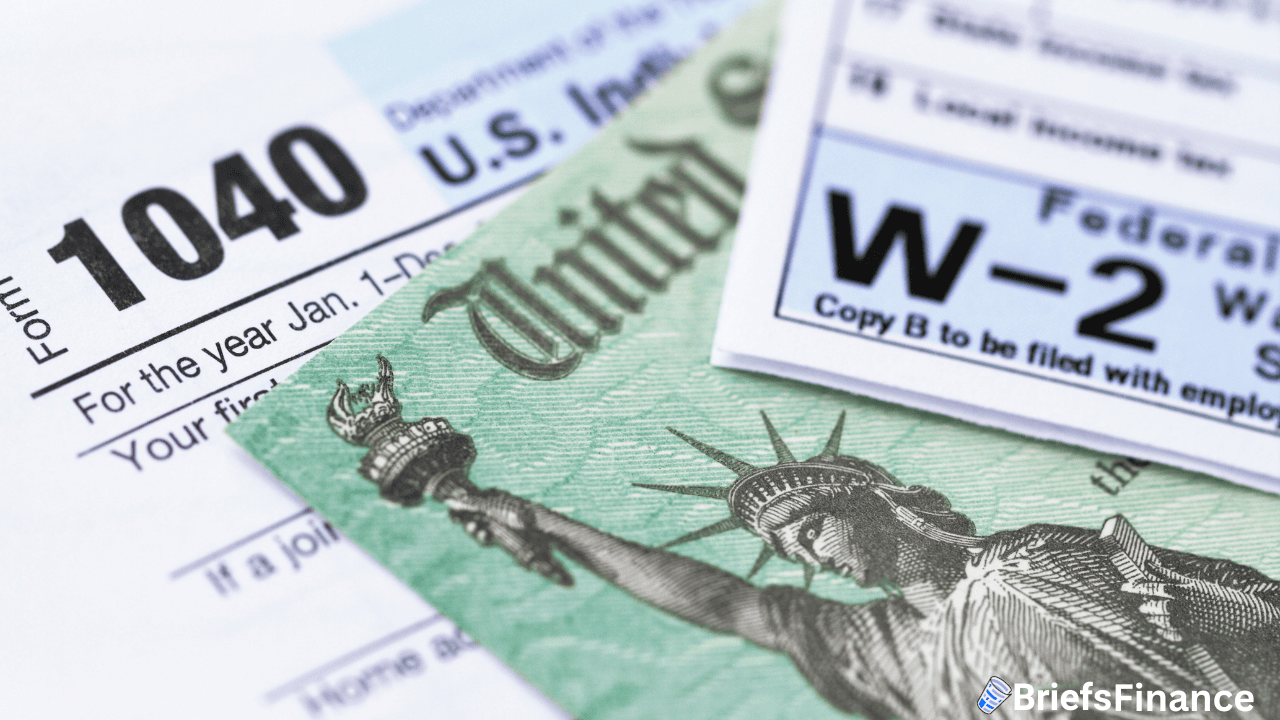
Why? Because around 135 million Americans are W2 employees - the money they earn is tied to their job.
Now, there’s nothing wrong with being a W2 employee - in fact, leveraging your income to build wealth can be a powerful tool.
However, it also means that the more money you make, the more you are taxed on that income.
It’s not the same for investors.
In fact, the U.S. tax code is actually designed to benefit investors.
A regular employee earning $100,000 gets taxed at their ordinary income rate - which can reach up to 37% at the highest bracket.
Legendary investor Warren Buffett earned $704 million in dividends in 2021.
His tax rate on that? Just 20%. That's the power of investing - the system rewards you for putting your money to work.
This is one of the biggest wealth-building advantages most people never take advantage of.
Our economic system benefits investors - or the owners of businesses.
That means your gains and losses on assets are not the same as the taxes you pay on your income.
This is a powerful distinction that completely shifts what most of us were taught about money and taxes.
When Do You Pay Taxes on Stocks?
The two most common situations where you may owe taxes on stocks are:
1. When you sell at a profit. This is called a capital gain.
The gain is the difference between what you paid (your cost basis) and what you sold for.
2. When you receive dividends. Even if you reinvest every penny back into the stock automatically, you still owe taxes on dividends in the year you receive them.
The IRS doesn't care that you didn't touch the money - if it hit your account, it counts.
What About Stocks You Don't Sell?
You do not pay taxes on stocks you haven't sold.
Sitting on a stock that's up 50%?
No tax bill - yet.
Long-term investors who let winners run for years defer taxes indefinitely, letting their money compound without the IRS taking a cut along the way.
Keep in mind though - the strategy you choose when investing matters here.
Investing in a regular brokerage account has no contribution limits, but you’re using after tax dollars to do it.
Investing in an employer sponsored 401k has contribution limits, but you’re investing pre-tax dollars.
You’ll pay taxes later, but this could mean your investing more, which allows your money to compound faster.
There’s no right or wrong answer here - but the idea is to pick an approach that matches your goals and reduces the amount of taxes you have to pay later.
How Much Tax Will You Pay On Stocks?
That depends on how long you held the stock and what type of income it generated.
| Type | Tax Rate |
| Long-term capital gains (held 1+ year) | 0%, 15%, or 20% depending on income |
| Short-term capital gains (held under 1 year) | Taxed as ordinary income (up to 37%) |
| Qualified dividends | 0%, 15%, or 20% |
| Ordinary dividends | Taxed as ordinary income |
The takeaway: Holding for longer almost always means paying less in taxes.
This is another reason long-term investing beats short-term trading - it's not just about returns, it's about what you keep.
What Is Tax-Loss Harvesting?
You’re probably wondering: “How does capital gains work if I sell a stock at a loss?”
While never ideal, it does happen - but you may be able to use these losses to your advantage when tax time come around.
Tax-loss harvesting is when you sell investments that have lost value to create a tax loss, which can then offset gains from your winners.
Example:
Stock A gained $5,000.
Stock B lost $3,000.
You sell both.
Now you only owe capital gains tax on $2,000 instead of $5,000.
You can even carry losses forward to future years if your losses in a year exceed your gains.
One rule to know: The IRS has something called the wash sale rule.
If you buy back the same (or substantially identical) investment within 30 days of selling it at a loss, you can't claim the loss. So timing matters.
Tax-loss harvesting works best in taxable brokerage accounts - not inside retirement accounts like a 401(k) or IRA, where taxes are already deferred.
What About Retirement Accounts?
If you invest through a traditional 401(k) or IRA, your money grows tax-deferred.
You don't pay taxes on gains each year - you pay when you withdraw in retirement.
A Roth IRA or Roth 401(k) works differently. You invest after-tax dollars, but the growth is tax-free - and withdrawals in retirement are generally tax-free too.
Neither of these accounts is taxed on stock gains the way a regular brokerage account is. That's a major advantage - and one of the main reasons these accounts exist.
What the IRS Already Knows
Don't think you can skip reporting your stock sales.
Your broker automatically generates a Form 1099-B at the end of each year.
It lists every transaction you made - what you bought, what you sold, and for how much.
And a copy goes directly to the IRS.
So if you sell stocks and don't report it on your tax return, the IRS will notice.
They'll send a letter which may come with penalties and interest.
Find your 1099-B in your brokerage app in January or February.
It's usually under "Tax Documents" or "Account Statements."
When to Talk to a Professional
If you have a simple portfolio - a few ETFs, maybe some individual stocks - you can more than likely handle this yourself with the right software.
But if you're dealing with a complex situation - lots of trades, options, significant capital gains - it may be worth hiring a CPA (Certified Public Accountant) or enrolled agent who specializes in investments.
The money you save through proper tax strategy could far outweigh what you pay them.
The Bottom Line Paying Taxes On Stocks
Yes, you have to pay taxes on stocks.
But here's what smart investors know:
- Our tax system benefits investors/owners.
- You typically only pay when you sell (or earn dividends).
- Holding long-term means lower tax rates.
- Losses can offset your gains.
- You have to report to the IRS.
- Professionals can help, where appropriate.
Taxes are misunderstood - and definitely not something to fear.
They're something to plan around, because one way or another, you have to pay them.
The investors who build real wealth don't just think about returns - they think about what they actually keep after the IRS takes its cut.
Speaking of returns: How do you spot potential opportunities that could outpace the S&P 500?
Our CEO Jaspreet Singh is hosting a free live investor workshop where he’ll explain how investors can identify market shifts and stocks that may benefit.
Save your spot here - but act fast, participation is limited.