What Is an Emergency Fund?
An emergency fund is money reserved exclusively for true financial emergencies.
This isn't vacation money. It's not for holiday shopping or a new TV. It's financial insurance against life's unexpected curveballs: job loss, medical bills, car repairs, home emergencies, or sudden family obligations.
The fund serves one purpose: keeping you afloat when income stops or major unexpected expenses hit. With an emergency fund, you avoid going into debt when crisis strikes.
Why You Actually Need One
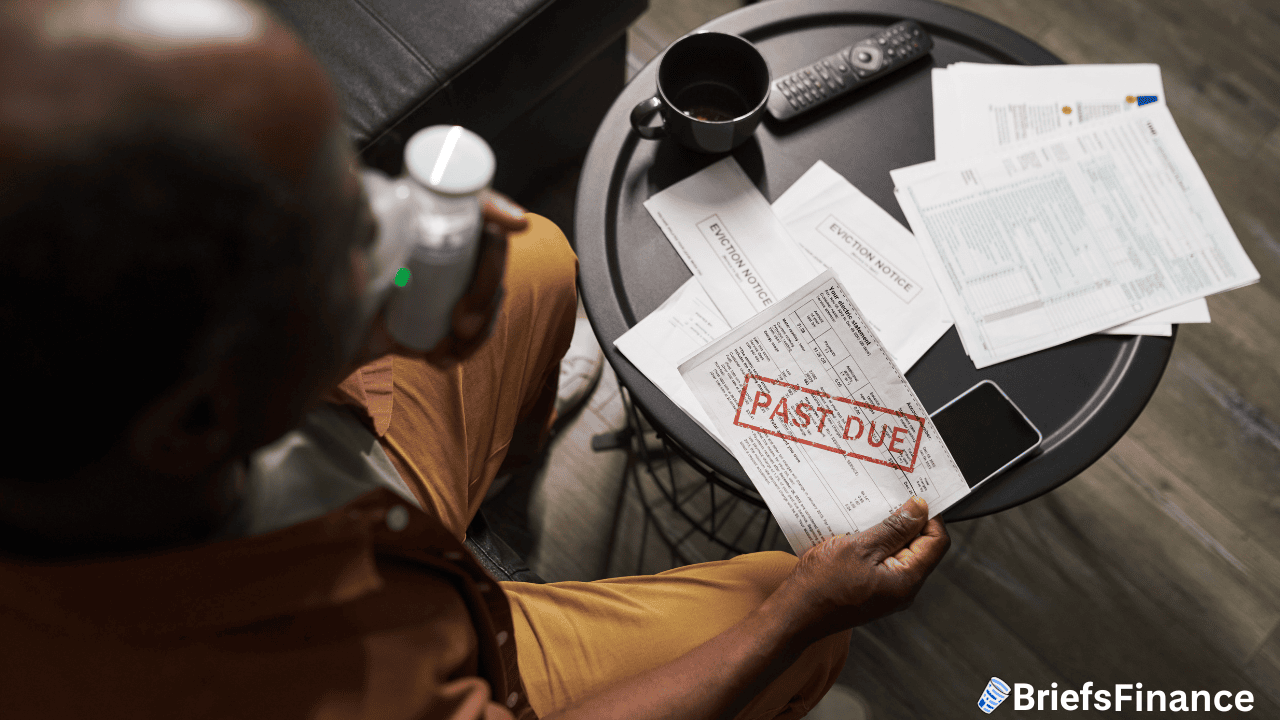
Financial emergencies aren't rare. They're inevitable.
Studies show 40% of Americans can't cover a $400 emergency expense without borrowing or selling something. Without an emergency fund, a broken water heater or lost job becomes a financial catastrophe.
Emergency funds prevent the debt spiral. When you have cash reserves, car repairs don't go on credit cards. Medical bills don't require payday loans. Job loss doesn't mean missing mortgage payments.
How Much Do You Really Need?
The standard advice is 3-6 months of expenses, but your personal situation determines the right amount.
The 3-6 Month Rule Explained
Three to six months of expenses means your essential monthly costs multiplied by 3-6.
Essential expenses include:
- Rent or mortgage
- Utilities (electric, gas, water, internet)
- Groceries
- Transportation (car payment, gas, insurance)
- Insurance premiums (health, home, auto)
- Minimum debt payments
- Basic phone service
Notice what's not included: dining out, entertainment, subscription services, gym memberships, or discretionary shopping.
Calculate Your Number
Here's how to determine your target emergency fund:
Step 1: List all essential monthly expenses Step 2: Add them up for your monthly baseline Step 3: Multiply by 3-6 depending on your situation
Example calculation:
- Rent: $1,500
- Utilities: $200
- Groceries: $400
- Car payment + insurance: $450
- Health insurance: $300
- Minimum credit card payment: $150
- Phone: $80
- Total monthly essentials: $3,080
- 3-month fund: $9,240
- 6-month fund: $18,480
When to Aim for 3 Months vs. 6 Months
3 months works if you:
- Have stable dual-income household
- Work in a high-demand industry
- Have strong job security
- Live in an area with abundant job opportunities
- Have no dependents
- Rent rather than own a home
6 months (or more) if you:
- Single income household
- Self-employed or freelance
- Work in a volatile industry
- Have dependents
- Own a home (maintenance emergencies)
- Have health concerns
- Live in an area with limited job market
Special Circumstances Requiring More
Some situations call for 9-12 months of expenses:
Single-income families with multiple dependents face higher risk. If the breadwinner loses their job, there's no backup income.
Self-employed individuals experience irregular income. A six-month emergency fund provides stability during slow business periods.
Niche professionals may need longer job searches. Executives, specialized roles, and academics often take 9+ months to find equivalent positions.
Where to Keep Your Emergency Fund
Emergency funds must balance three factors: accessibility, safety, and returns.
High-Yield Savings Accounts (Best Option)
High-yield savings accounts offer the best combination of accessibility and returns for emergency funds.
Current rates range from 4-5% APY at online banks like Marcus by Goldman Sachs, Ally Bank, American Express Personal Savings, and Discover Bank.
Advantages:
- FDIC insured up to $250,000
- Easy to access (usually 1-2 day transfer)
- Competitive interest rates
- No market risk
- No penalties for withdrawal
How it works: You transfer money from your checking account to the savings account. When emergency strikes, you transfer money back. The process takes 1-2 business days.
Money Market Accounts
Money market accounts function similarly to high-yield savings but may offer check-writing privileges.
Rates are comparable to high-yield savings (4-5% APY). They're FDIC insured and highly liquid.
The main difference: Some money market accounts allow limited check writing or debit card access, making them slightly more accessible than savings accounts.
What to Avoid for Emergency Funds
Regular savings accounts at traditional banks: These typically pay 0.01-0.5% interest. You're essentially losing money to inflation.
Checking accounts: Emergency funds should be separate from daily spending to avoid accidental use.
Stocks or stock funds: Market volatility makes these unsuitable. You might need cash during a market crash when your investments are down 30%.
Bonds or bond funds: While more stable than stocks, bonds still fluctuate in value and require selling to access cash.
CDs (Certificates of Deposit): Early withdrawal penalties defeat the purpose of emergency access, though CD laddering can work for partial emergency funds.
Crypto or speculative investments: Emergency funds require stability and guaranteed access. Speculation has no place here.
How to Build Your Emergency Fund
Building a full 3-6 month emergency fund feels overwhelming. Break it into manageable steps.
Start with $1,000
Your first milestone is $1,000. This covers most minor emergencies: car repairs, urgent home fixes, or small medical bills.
Reach this goal as quickly as possible. Cut discretionary spending. Sell unused items. Take on temporary side work. This initial buffer provides immediate peace of mind.
Then Build to One Month
Once you hit $1,000, target one month of essential expenses.
If your monthly essentials total $3,000, your next goal is $3,000 in your emergency fund. This milestone means you can survive one month without income.
Progress to Three Months
After reaching one month, work toward three months of expenses.
This is your baseline emergency fund. Three months covers most job searches, major home repairs, or extended medical situations.
Finally Reach Six Months (If Needed)
Based on your circumstances, continue building to six months.
This provides maximum security for unstable employment situations, single-income households, or homeowners facing potential major repairs.
Automate Your Contributions
Set up automatic monthly transfers from checking to your emergency fund savings account.
Even $100-200 monthly builds substantial reserves over time:
- $150/month = $1,800 annually
- $200/month = $2,400 annually
- $300/month = $3,600 annually
Automation removes the decision from each paycheck. The money moves before you can spend it elsewhere.
When to Use Your Emergency Fund
Not every unexpected expense qualifies as an emergency.
True Emergencies
Job loss or income reduction: This is the primary purpose of emergency funds. Use it to cover essentials while you find new employment.
Major medical expenses: Unexpected hospital bills, urgent procedures, or medication costs qualify.
Essential home repairs: Broken furnace in winter, roof leak, or plumbing failures are emergencies.
Critical car repairs: If your car is essential for work and needs urgent repair, use the fund.
Family emergencies: Traveling for family illness, supporting family members in crisis, or unexpected funeral expenses.
Not Actually Emergencies
Holidays and gifts: These are predictable. Save separately for them.
Vacation or travel: This is discretionary spending, not an emergency.
Sales or "deals": Even amazing deals don't justify tapping emergency funds.
Routine maintenance: Car oil changes, home maintenance, and regular expenses should come from your budget.
Wants disguised as needs: Wanting a new phone because yours is outdated isn't an emergency. A completely broken phone might be.
Replenishing After Using It
When you tap your emergency fund, make replenishing it a top priority.
Pause other financial goals temporarily. Stop extra retirement contributions beyond employer match. Postpone aggressive debt payoff. Put investing on hold.
Direct all extra money toward rebuilding the emergency fund to its original level. Once fully replenished, resume your other financial goals.
Think of it like oxygen masks on a plane: secure your own financial oxygen (emergency fund) before helping others or pursuing other goals.
Common Emergency Fund Mistakes
Keeping It Too Accessible
Don't keep your emergency fund in your regular checking account. You'll accidentally spend it.
Keep it in a separate savings account at a different bank. This creates enough friction to prevent casual access while maintaining true emergency availability.
Chasing Higher Returns
Some people invest emergency funds in stocks or bonds seeking better returns. This defeats the purpose.
Emergency funds prioritize safety and accessibility over returns. The 4-5% from a high-yield savings account is your "insurance premium" for having guaranteed cash when needed.
Never Actually Using It
Emergency funds aren't meant to sit untouched forever.
When legitimate emergencies arise, use the fund. That's why it exists. Don't go into debt or stress about a car repair when you have $15,000 sitting in emergency savings.
Just remember to replenish it afterward.
Building It Before High-Interest Debt
If you have credit card debt at 22% interest, prioritize that over building beyond your initial $1,000 emergency fund.
The $1,000 buffer prevents new debt from emergencies. Then attack high-interest debt aggressively. Once that's paid off, build your full 3-6 month fund.
Emergency Fund vs. Other Savings Goals
Your emergency fund is separate from other savings buckets.
Emergency fund: 3-6 months expenses, highly liquid, for job loss or true emergencies
Retirement accounts: Long-term growth, invested in stocks/bonds, shouldn't be touched for emergencies
Sinking funds: Predictable future expenses (car replacement, vacation, home maintenance) saved separately
Investment accounts: Discretionary money invested for growth, separate from emergency cash
Treat your emergency fund as financial insurance, not an investment or general savings account.
The Bottom Line
An emergency fund is the foundation of financial security. It's not exciting, but it's essential.
Start with $1,000, then build to one month of expenses, then three months, and finally six months if your situation requires it. Keep it in a high-yield savings account where it's safe, accessible, and earning competitive interest.
Calculate your essential monthly expenses, multiply by 3-6, and that's your target. Automate monthly contributions until you reach your goal.
When true emergencies strike, use it without guilt. That's its purpose. Then make replenishing it your top priority.
Your emergency fund won't make you rich. But it will keep unexpected events from making you poor. That peace of mind is worth more than the opportunity cost of potentially higher investment returns.