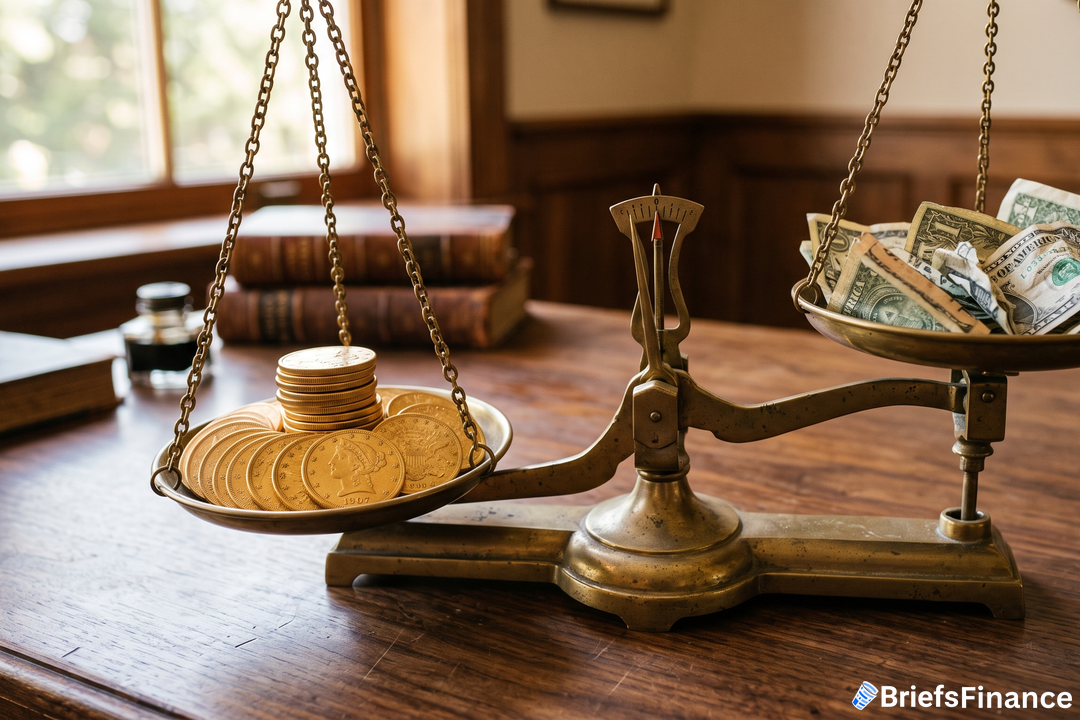
Not all debt destroys wealth. Some debt builds it, while other debt traps you in a cycle of payments that erode financial security.
What Makes Debt "Good" or "Bad"?
The difference between good and bad debt comes down to what you're financing and at what cost.
Good debt helps you build wealth. It finances things that increase your income, appreciate in value, or provide essential stepping stones to financial success.
Bad debt erodes wealth. It finances depreciating assets, consumption, or lifestyle expenses you can't actually afford.
The same type of loan can be good or bad depending on how you use it. A $20,000 car loan for reliable transportation to work is different than a $70,000 luxury car loan to impress neighbors.
The Three-Question Test
Ask yourself three questions before taking on any debt:
- Will this increase my income or net worth over time?
- Is the interest rate reasonable (generally under 8%)?
- Can I comfortably afford the payments without sacrificing essential expenses?
If you answer "no" to any question, you're likely looking at bad debt.
Types of Good Debt
Good debt is an investment in your future earning power or appreciating assets.
Mortgages
Home mortgages are the classic example of good debt.
Real estate generally appreciates over time. While you pay interest, you're building equity in an asset that typically grows in value. You also need somewhere to live, and buying can be cheaper than renting long-term.
Why mortgages are good debt:
- Homes historically appreciate 3-5% annually
- Mortgage interest rates are relatively low (6-7% currently, sometimes lower)
- Interest may be tax-deductible
- You're paying for housing either way (rent or mortgage)
- Builds forced savings through equity
The caveat: A mortgage becomes bad debt if you buy more house than you can afford. The rule of thumb is keeping housing costs (including taxes and insurance) under 28% of gross income.
Student Loans
Student loans can be good debt when they finance education that significantly increases earning power.
A degree in nursing, engineering, computer science, or accounting typically pays for itself within 5-10 years. These careers offer strong income potential that dwarfs the loan cost.
Why student loans can be good debt:
- College graduates earn $1 million+ more over a lifetime than high school graduates
- Education can't be repossessed or taken away
- Federal student loans often have low fixed rates (currently 5-7%)
- Income-driven repayment plans provide safety nets
The caveat: Student loans become bad debt when the cost vastly exceeds career earning potential. Borrowing $150,000 for a degree leading to a $35,000 salary is a wealth destroyer.
The general guideline: Don't borrow more than your expected first-year salary in your chosen field.
Business Loans
Loans to start or expand a profitable business are good debt.
If you borrow $50,000 to buy equipment that generates $80,000 in additional annual revenue, you've made a smart leverage decision. The debt pays for itself and creates ongoing profit.
Why business loans are good debt:
- Revenue-generating assets justify the borrowing cost
- Business growth often requires upfront capital
- Interest is tax-deductible as a business expense
- Potential returns far exceed interest costs
The caveat: Business loans become bad debt when financing unproven ideas or covering operating losses. Borrowing to keep a failing business alive rarely works.
Investment Property Loans
Mortgages on rental properties qualify as good debt when the numbers work.
If rental income exceeds your mortgage payment, property taxes, insurance, and maintenance costs, you're building wealth while tenants pay down your loan.
Why rental property loans are good debt:
- Tenants pay your mortgage while you build equity
- Real estate appreciates over time
- Rental income provides cash flow
- Tax benefits offset ownership costs
The caveat: Rental properties become bad debt when you can't find tenants, rental income doesn't cover costs, or you underestimate maintenance expenses.
Types of Bad Debt
Bad debt finances consumption, depreciating assets, or things you can't actually afford.
Credit Card Debt
Credit cards charging 18-29% interest represent the worst form of consumer debt.
If you carry a $5,000 balance at 22% interest and make minimum payments, you'll pay over $7,000 in interest over 15+ years. You're paying nearly double for things you've already consumed and forgotten about.
Why credit card debt is bad:
- Interest rates are extremely high (average 20%+)
- Compounds daily, accelerating debt growth
- Usually finances consumption (restaurants, clothes, entertainment)
- Creates a psychological spending disconnect
- Minimum payments keep you in debt for decades
The exception: Paying your credit card balance in full monthly isn't debt. It's a payment tool. The problem is carrying balances month to month.
Auto Loans for Luxury Vehicles
Car loans aren't automatically bad debt, but they often are.
A $50,000 SUV loan at 7% interest costs you $10,000+ in interest over five years. Meanwhile, the vehicle loses 50-60% of its value in that same period. You're paying interest on a rapidly depreciating asset.
Why luxury car loans are bad debt:
- Cars depreciate 15-25% the moment you drive off the lot
- Continuing depreciation of 10-15% annually
- Interest adds to the loss
- High payment limits ability to save and invest
The caveat: A modest car loan (under $15,000) for reliable transportation to work can be good debt if it enables income. The difference is necessity versus status.
Payday Loans
Payday loans are predatory financial products with APRs often exceeding 300-400%.
Borrowing $500 for two weeks might cost $75. That's a 391% annual percentage rate. These loans trap borrowers in cycles where they constantly roll over debt, paying fees that exceed the original loan amount.
Why payday loans are terrible debt:
- APRs of 300-400% or higher
- Designed to trap borrowers in debt cycles
- Often lead to multiple loans to cover previous loans
- No consideration of ability to repay
There's no scenario where payday loans are good debt. Any alternative is better.
Personal Loans for Consumption
Personal loans financing vacations, weddings, or lifestyle expenses are bad debt.
Paying 10-15% interest on a $10,000 vacation means you're still paying for that trip years after the tan fades and photos collect digital dust.
Why consumption loans are bad debt:
- Finance experiences or items with zero lasting value
- Interest rates typically 8-18%
- No asset appreciation or income generation
- Creates burden for past consumption while limiting future opportunity
If you can't afford something with cash, you can't afford to finance it either.
Retail Store Credit Cards
Store cards often carry even higher interest rates than regular credit cards (25-30%) while offering minimal rewards.
The "10% off today" temptation costs you dramatically more if you carry a balance. That $200 purchase at 27% interest costs you $54 in interest in one year alone if you only make minimum payments.
The Interest Rate Threshold
Interest rates help distinguish good debt from bad debt.
Low Interest (Under 5%)
Rates under 5% are relatively cheap money. Mortgages, federal student loans, and some auto loans fall here. This debt can be good when financing appreciating assets or income-generating investments.
At these rates, you might even prioritize investing over aggressive debt payoff since investment returns typically exceed the interest cost.
Moderate Interest (5-8%)
Rates in this range require more scrutiny. Private student loans, some car loans, and business loans often sit here.
This debt can be good or bad depending on what you're financing. A 6% student loan for a high-earning career is fine. A 7% loan for a depreciating car is questionable.
High Interest (8-15%)
Rates above 8% signal caution. Personal loans, some credit cards, and subprime auto loans occupy this range.
At these rates, debt becomes expensive. The interest cost significantly impacts whether borrowing makes financial sense. Focus on paying off debt in this category quickly.
Predatory Interest (Above 15%)
Anything above 15% is working against you. Credit cards, payday loans, and predatory lending fall here.
This is almost always bad debt. The interest cost is so high that you're unlikely to benefit from the borrowing. Make eliminating this debt your financial priority.
When Good Debt Becomes Bad Debt
Context and behavior turn good debt bad.
Overborrowing
A reasonable mortgage becomes bad debt when you buy more house than you can afford. If your mortgage payment strains your budget and prevents saving, investing, or enjoying life, you've overborrowed.
The same applies to student loans. Borrowing $200,000 for a degree that leads to a $45,000 job transforms good debt into a financial anchor.
Using Debt as a Crutch
Relying on debt to maintain a lifestyle you can't afford turns any debt bad.
If you use credit cards to bridge the gap between income and spending month after month, you're not managing temporary cash flow. You're living beyond your means.
Ignoring the Total Cost
Good debt at good rates can still become problematic if you ignore the total cost.
A $400,000 30-year mortgage at 6% costs $863,352 total. You'll pay $463,352 in interest. Even good debt has real costs that impact your wealth-building capacity.
Strategic Borrowing Guidelines
Use these principles to make smart borrowing decisions.
The 28/36 Rule for Housing
Keep housing costs (mortgage, taxes, insurance) below 28% of gross monthly income. Keep total debt payments (housing + all other debt) below 36% of gross monthly income.
This ensures debt doesn't overwhelm your finances.
The One-Year Rule for Student Loans
Don't borrow more in total student loans than you expect to earn in your first year after graduation.
If your starting salary will be $55,000, cap student loan borrowing at $55,000. This keeps debt manageable relative to income.
The 20/4/10 Rule for Cars
Put down at least 20%, finance for no more than 4 years, and keep total transportation costs (payment, insurance, gas, maintenance) under 10% of gross income.
This prevents car payments from consuming too much of your budget.
Never Borrow for Depreciating Assets
Furniture, electronics, vacations, and clothing all lose value immediately. If you can't pay cash, you can't afford it.
Save up and buy these items outright. The delayed gratification builds better financial habits.
Paying Off Debt: Good vs. Bad First
When you have multiple debts, prioritize strategically.
Always Tackle Bad Debt First
Credit card balances at 22% interest destroy wealth faster than any other debt builds it. Pay minimums on everything else and attack high-interest debt with every extra dollar.
The math is simple: Paying off 22% debt gives you a guaranteed 22% return. You can't beat that in the stock market consistently.
Good Debt Can Wait
Low-interest mortgages (under 4%) and student loans (under 5%) can be paid on schedule while you invest elsewhere.
If your mortgage is 3.5% but you can earn 7-10% in the stock market, investing makes more financial sense than extra mortgage payments.
The Bottom Line
Good debt finances assets that appreciate or generate income at reasonable interest rates. Bad debt finances consumption or depreciating assets at high interest rates.
Most people need some debt to build wealth. Few people can pay cash for homes or education. The key is using debt strategically and sparingly.
Before taking on any debt, ask: Will this increase my net worth or income? Is the rate reasonable? Can I afford the payments comfortably?
If the answers are yes, the debt might be good. If any answer is no, walk away.
The best debt is usually no debt. But strategic good debt, used wisely and paid off consistently, can accelerate wealth building. Bad debt, even in small amounts, does the opposite.