
Free NewsletterPro Login

Free Live Investors Workshop

Seats limited

Tue, Sep 29.

The dollar is losing value.

Here’s how investors can still profit.

Hosted By

Jaspreet Singh

Founder, Briefs Finance

X
Free Live Investor Workshop
Home » Deep Briefs »  » Is Copper A Good Investment? What Most Investors Are Missing Right Now

Is Copper A Good Investment? What Most Investors Are Missing Right Now

Published: Feb 7, 2026 
Disclosure: Briefs Finance is not a broker-dealer or investment adviser. All content is general information and for educational purposes only, not individualized advice or recommendations to buy or sell any security. Investing involves significant risk, including possible loss of principal, and past performance does not guarantee future results. You are solely responsible for your investment decisions and should consult a licensed financial, legal, or tax professional before acting on any information provided.
Summary:

Rising demand from AI, EVs, and data centers is outpacing supply.

Experts predict a copper shortage within 12-16 months.

This creates a Broad Market Shift with potential opportunities for investors.

Since late July 2025, the price of copper has jumped from around $4.35 per ounce to over $6 per ounce by the end of January, 2026.

While that might not sound like a lot, it’s actually a 42.5% jump in around 6 months.

The S&P 500 during that same time? Up around 9.35%.

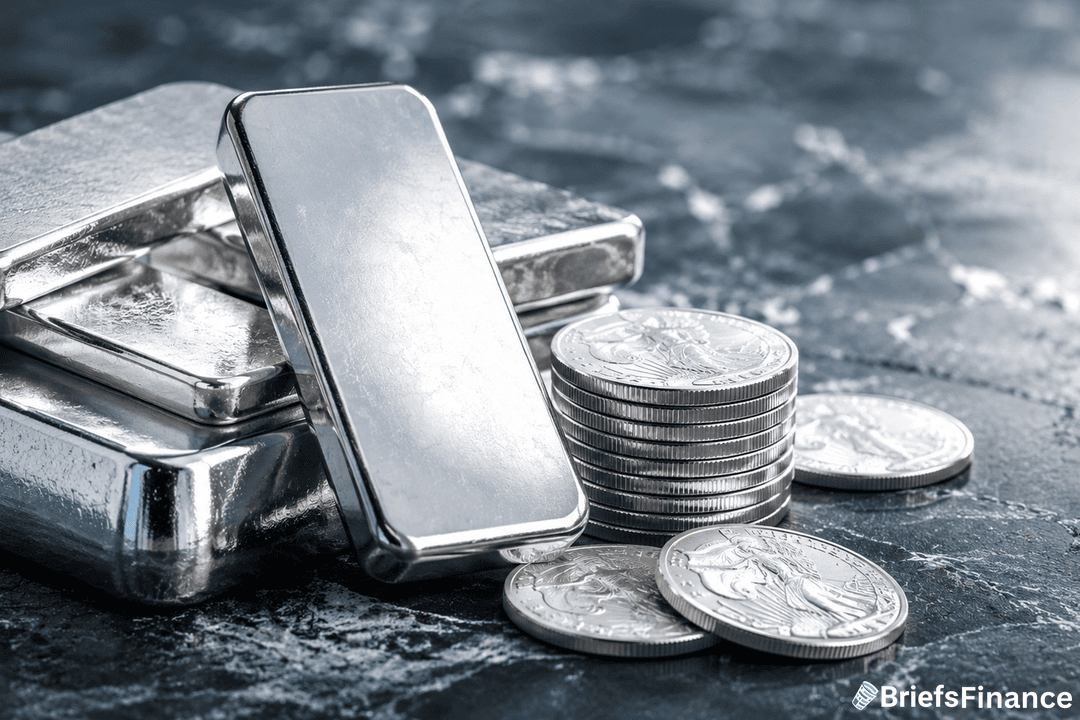
In short - copper as a metal has been rising in value alongside other metals like gold and silver.

The difference? In late January 2026, both gold and silver experienced a significant correction.

  • Silver fell over 30% in just a few days, and gold fell almost 11% over the same time.

Copper also fell during that time, but slightly less than those other metals. 

And while all three metals have recovered a bit, investors want to know now: Is copper a good investment?

Let’s break down what’s going on with copper, the potential opportunities for investors, and what to watch out for in 2026 and beyond.

Our market analyst went even deeper into the data of this market shift in our full Market Briefs Pro report.

Get the full report by subscribing to Market Briefs Pro.

A Copper Shortage Is Coming

Copper is not a precious metal - but it is still vital to the global economy.

How? From cellphones to computers and more, copper is a major component in electronics.

But there’s a problem: We’re running out of it - here’s why:

Demand Is Exploding

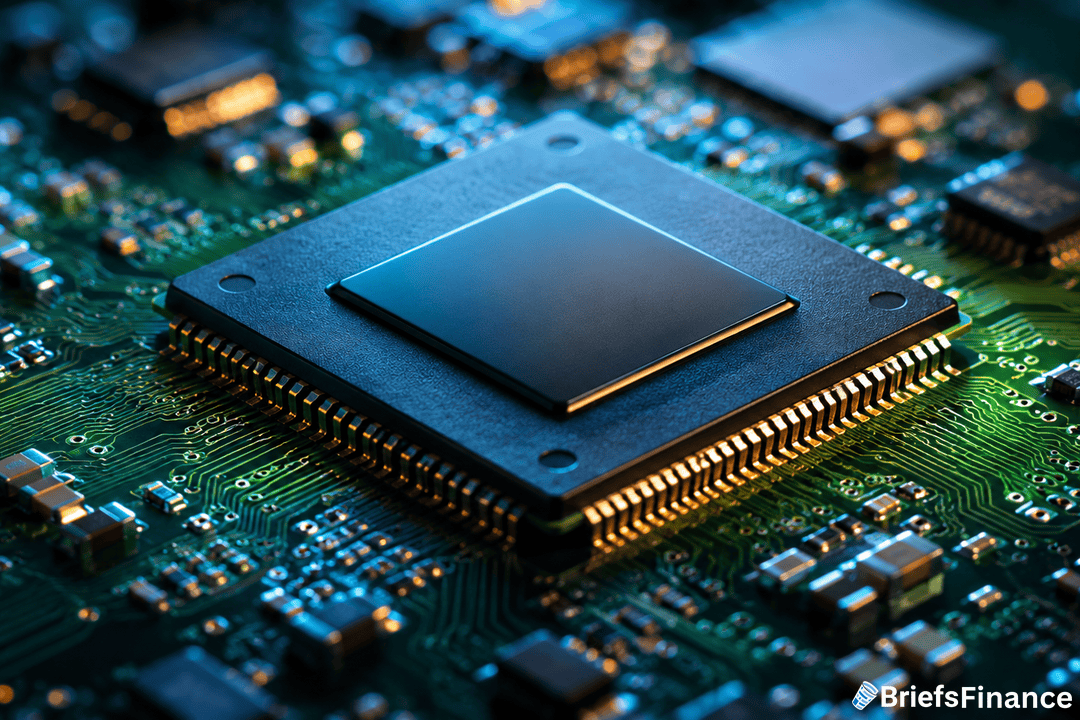
Data centers consume copper at record levels. AI infrastructure needs massive amounts of wiring and electrical systems - almost all copper-dependent.

Electric vehicles need four times more copper than gas-powered cars. And as EV adoption grows globally, copper demand climbs with it.

Even our power grid upgrades require copper. Transformers, switchgears, and transmission lines all depend on it to function.

The International Copper Study Group estimates the copper market will hit a 150,000-ton deficit in 2026. That's roughly 330 million pounds of copper the world will need but won't have.

Geopolitical Issues Are Tightening Supply

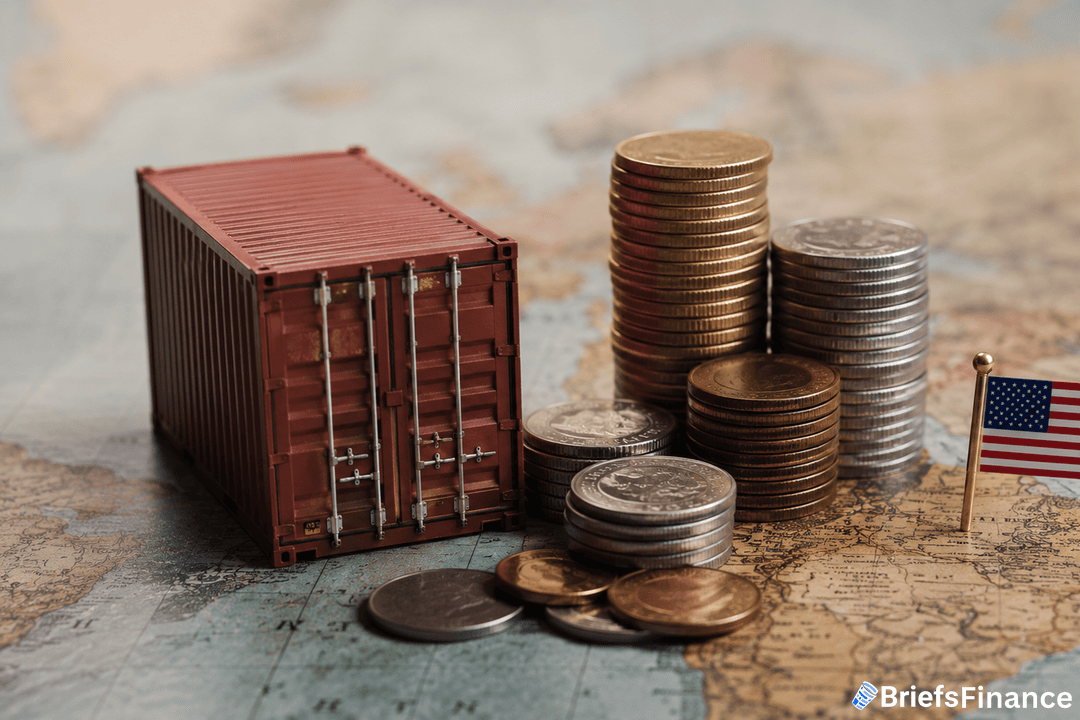
China produces about 45% of the world's refined copper. In 2025, the U.S. slapped a 100% tariff on Chinese imports after China restricted rare earth exports.

One of the world's largest copper mines, Cobre Panamá, shut down in 2023 due to political turmoil as well. 

That supply is now off the market entirely.

Mining Is Getting Harder

Ore degradation is becoming a real issue. 

Mining companies need to move more rocks to get to the copper itself because the copper breaks down before it can be extracted.

This creates bottlenecks in supply chains and makes production more expensive across the board.

The Opportunity: Why Timing Matters

We're still in the early stages of this shortage. Copper-related securities may be relatively undervalued compared to where they could be in a few years.

That gives investors a window to potentially position themselves before the shortage becomes obvious to everyone else.

Some of the opportunities our analysts are tracking include:

  • Copper producers like Freeport-McMoRan, which controls over 60% of U.S. copper production.
  • Infrastructure companies that create copper-dependent products for power grids and data centers.
  • Diversified mining ETFs that spread risk across multiple copper companies globally

But this isn't about chasing short-term gains. This is a long-term play that requires patience.

What to discover the specific stock that may benefit from this shift?

Get more research, data, and specific potential opportunities our analysts are watching by subscribing to Market Briefs Pro.

What Makes This a Broad Market Shift

We identify five types of market shifts at Briefs Finance. This copper shortage falls under Broad Market Shift - macro-level movements that affect all investors.

Why? Because copper touches everything from your smartphone to national infrastructure.

When a resource this critical becomes scarce, it doesn't just affect miners. It ripples through entire supply chains, changes how companies price products, and forces industries to adapt.

The shift hasn't peaked yet, but the signs are clear: demand is rising faster than supply can keep up.

The Risks You Should Know

Before considering any copper investment, understand these risks:

China controls the market. If trade volatility hits China, it could slow demand and stretch current supply. Less mining means lower revenues for copper companies.

Tariffs could wreck margins. Raw copper is exempt from U.S. tariffs as of August 2025, but semi-finished copper products face 50% import tariffs. That could limit supply and hurt profit margins.

Alternatives might emerge. Copper is used because it's an exceptional electrical conductor and less corrosive than other metals. But as it becomes scarce, scientists may develop alternatives that reduce demand.

Mining accidents happen. Natural disasters, political instability, and operational failures are constant risks in this industry. Any single event can wipe out months of gains.

Is Copper Worth Investing In Right Now?

So is copper bullion a good investment? Is copper a good investment right now?

It depends on your goals and risk tolerance.

If you believe demand for AI, EVs, and data centers will keep growing - and that supply won't keep pace - then copper-related opportunities might deserve a spot in your portfolio.

But this isn't a get-rich-quick play. Experts agree we're not in a major shortage yet as of early 2026. We're in the beginning stages.

That means copper securities are potentially undervalued compared to where they could be when shortages intensify over the next few years.

Investors who position early - before the shortage hits mainstream - may be able to benefit from rising copper prices and company growth.

What to Watch in 2026

Keep an eye on these indicators:

  • Copper prices - Record highs were hit in January 2026 around $6.20 per ounce.
  • Mining production reports - Any major closures or accidents could tighten supply faster.
  • China trade policy - Tariffs, stimulus, or trade deals could shift demand quickly.
  • Data center expansion - AI infrastructure growth drives copper demand more than most realize

Final Thoughts On Copper

Is copper a good investment? That's for you to decide based on your own research and financial situation.

But here's what we know: Experts predict shortages within 12-16 months. Demand is outpacing supply. And we're still in the early stages of this Broad Market Shift.

For investors willing to wait and watch this trend unfold, copper could present opportunities before the shortage becomes obvious to everyone else.

Our analysts are watching a few stocks and ETFs in this Broad Market Shift.

Want to find out which ones? Subscribe to Market Briefs Pro.


Tag »

More Deep Briefs

What Is Wealth Preservation? How To Protect Your Money From Anything

Why Is Everything So Expensive? Why Prices May Never Come Back Down

The U.S. Housing Market Just Flipped: Renting a Home Now Beats Buying One

An Interest Rate Hike in 2026? The Fed Just Broke Its Own Script

5 Passive Income Ideas That Pay You Whether You Work or Not

The Best Way to Invest 10k: Three Options To Transform 10K into 10 Million

The Tax Write Offs the Rich Are Using in 2026 While the IRS Shrinks

America Is Running Out of Debt Buyers. Treasury Bills Are the Government's Fix

How to Get the Most From Your Guideline 401k

Principal 401k: What to Know About Your Plan

What a Tariff Dividend Means for Your Money

No Tax on Overtime: How Overtime Pay Is Taxed

Reading the Silver Price Forecast for 2026

What to Do When Reddit Stocks Go Viral

Why Is Bitcoin Dropping Right Now?

The Fidelity 500 Index Fund, Made Simple for Beginners

USA Penny Stocks: Risks and Rewards Explained

Finding Cheap Stocks to Buy Now Without Getting Burned

Best Dividend Stocks: A Beginner's Playbook

Roth 401k, Explained for New Investors

How a Roth IRA Calculator Shows Your Future Wealth

Portfolio Diversification: Why Putting All Your Eggs in One Basket Destroys Wealth

Non Taxable Income: What It Is and Why It Matters

Semiconductor Stocks: A Simple Guide for Investors

How Stocks Work: A Simple Guide for Beginners

Stop Loss vs Stop Limit: What's the Difference?

Energy Stocks: A Simple Guide for Investors

What Is a Stop Loss Order? A Simple Guide

Best S&P 500 Index Fund: How to Choose One

What Are Penny Stocks? Risks and Rewards Explained

Best Stocks for Beginners With Little Money

Tech Stocks: A Simple Guide for New Investors

What Is a Joint Stock Company? A Simple Guide

Capital Gains Tax in California: A Simple Guide

Top Covered Call ETFs: How to Compare Them

What Are Stock Options? A Plain-English Guide

EBITDA Margin: What It Is and How to Calculate It

What Is Taxable Income? A Simple Guide for Investors

What Is a Covered Call? How the Strategy Works

What Is Gross Margin? A Simple Guide for Investors

What Is a Dividend? A Plain-English Guide for Investors

Financial Literacy Books That Actually Build Wealth

What Is a Roth Conversion? A Simple Guide

Trailing Stop Loss: How to Protect Your Gains

5 Types of Wealth: Why Money Is Only One of Them

How to Invest in Private Equity: A Beginner's Guide

What Is a Call Option? A Simple Guide With Examples

EBITDA Formula: How to Calculate It Step by Step

What Is a Stock Option? A Plain-English Guide

Put Option: What It Is and How It Works

Operating Margin: What It Is and How to Calculate It

Enterprise Value: What It Is and How to Calculate It

Free Cash Flow: What It Is and Why It Matters

What Is Working Capital? A Simple Guide for Investors

Covered Call: How This Income Strategy Actually Works

Gross Margin: What It Is and How to Calculate It

Backdoor Roth IRA: A Simple Guide for High Earners

Mega Backdoor Roth: A Simple Guide for Big Savers

Dividend Calculator: How to Estimate Your Dividend Income

How to Create Multiple Income Streams: A Beginner's Playbook

The 60/40 Portfolio Explained: A Beginner's Guide

How to Invest in Silver: A Beginner's Guide

Asset Allocation by Age: The Right Portfolio Mix at Every Stage of Life

Stablecoin Explained: Why Some Cryptocurrencies Actually Aren't Volatile

Buy Now, Pay Later Risks: Why This "Easy" Payment Method Is Dangerous to Your Wealth

Dividend Payout Ratio: The Secret Metric That Shows If a Stock Is Safe or Risky

Ethereum for Beginners: What It Is and Why Smart Investors Are Paying Attention

Dollar Cost Averaging Strategy: How to Beat Emotion and Build Wealth Steadily

The BRRRR Strategy: How to Build Real Estate Wealth Without Big Money Down

What Is GDP? A Beginner's Guide to Understanding Economic Growth

What Is Blockchain? A Plain English Guide For Investors

How To Negotiate Bills: The Script That Saves You Hundreds A Year

75 15 10 Rule: The Budget That Builds Wealth On Autopilot

How To Rebalance Portfolio: The Strategy That Forces You To Buy Low And Sell High

How To Buy Treasury Bonds: A Beginner's Guide

Forward Vs Futures Contracts: What's The Real Difference?

Alternative Investments Explained: What They Are And Why They Matter

How To Buy Bitcoin For Beginners: 3 Simple Ways

How To Follow Smart Money: The 5 Market Shifts Framework

Insider Trading Meaning: What It Really Is (And Why Some Of It Is Legal)

Core-Satellite Portfolio: The Best of Both Worlds

Bond Ladder Strategy: The Income Plan With Built-In Flexibility

Silver vs Gold Investing: Which One Belongs in Your Portfolio?

What Is a Dividend Reinvestment Plan? The Wealth Snowball Explained

How Tariffs Affect the Stock Market

What Is a 13F Filing? The Smart Money Tracker

Debt-to-Equity Ratio: The Number That Tells You If a Company Is Drowning

Non-Financial Analysis of Stocks: The 4-Step Method

SEC EDGAR Tutorial: The Free Tool the Pros Use

How to Read a 10-Q (Without Losing Your Mind)

What Is a Put Option? A Simple Guide for Investors

What Is Free Cash Flow? How To Find It & Why It's Important

Non Taxable Income: What It Is and Why Investors Care

Nasdaq Index Fund: A Beginner's Guide to Investing in the Nasdaq 100

What Is Wealth? It's Not What Most People Think

Micron Stock: The AI Memory Play Most Investors Are Missing

What Is Working Capital? What Investors Need To Know

What Is a Meme Stock? A Simple Guide for New Investors

Enterprise Value Formula: What It Is and How to Calculate It

Return on Equity: What It Is and How to Use It

1 2 3

Get Market Briefs delivered to your inbox every morning for free!

No fluff. No noise. No politics. Just finance news you can read in 5 minutes.

Join Free
13 Shares
Share via
Copy link