What Is a Market Disruptor?
A market disruptor is a company that doesn't just compete - it breaks the rules of an industry in the name of innovation.
These are the businesses that make entire industries look at themselves and say, "We need to rethink everything."
Here are a few classic examples:
- Amazon didn't just sell books online. It reinvented retail, then cloud computing, then entertainment.
- Netflix didn't just offer movies. It killed the DVD rental industry and forced every major studio to go digital.
- Tesla didn't just build electric cars. It pushed the entire auto industry to rethink transportation from the ground up.
Each of these companies created what investors call a "moat" - a competitive advantage so powerful that competitors struggle to catch up.
That moat is what lets a disruptor grow fast - and stay ahead.
Market disrupters can also be stocks that grow very quickly - because they’re essentially tapping into a brand new undiscovered market.
And unlike large brands that have been around for 100+ years, they often have lots of room to grow.
But why should investors care?
These stocks sometimes have the potential to outpace the market - but they could easily fail if the innovation does not take off.
Knowing how to identify these types of market disrupters can help investors choose stocks that make sense for them.
Let’s break down market disrupters - how to spot them, which industry investors should look at right now, and the risks involved.
What to learn how to spot more investment opportunities?
Watch or listen to this free podcast with our Head of Investment Research and CEO Jasroeet Singh where they break down how we spot market shifts and specific stocks.
Why Market Disruptors Matter to Investors
Here's the simple truth: disruption = growth.
When a company rewrites the rules of an industry, it often grows much faster than the companies around it.
That's what makes disruptors so exciting for investors.
Growth stocks - the stocks tied to disruptive companies - are expected to grow faster than the overall market.
Look at Netflix against the S&P 500 over time.
That kind of outperformance is what investors are chasing.
But it's not just about fast growth. Disruptors also signal Market Shifts - fundamental changes in where money flows.
Market disruptors almost always sit at the center of one - or more - of these shifts.
The Fad vs. The Real Deal
Not every flashy new company is a disruptor.
A fad is popular but shallow. It doesn't change behavior. It fades. Remember fidget spinners?
A genuine disruptor creates a new habit, solves a real problem better than anything before it, and sticks around.
Think about how ChatGPT changed how people work. Or how Airbnb changed how people travel.
The difference? Real disruption changes what people do every day.
How to Spot a Market Disruptor Early
Spotting a disruptor before Wall Street piles in is the goal. Here's how smart investors approach it.
1. Watch What's Changing Around You
This is called the Peter Lynch approach, named after the legendary investor who ran Fidelity's Magellan Fund.
Lynch discovered some of his best investments just by paying attention to daily life:
- His wife mentioned a store.
- His daughter talked about a new product.
He followed the curiosity - and found the opportunity.
The logic is simple: if something is changing behavior around you - if people are talking about an app, switching products, or adopting a new habit - that's often a signal worth following as an investor.
2. Listen to Earnings Calls
Earnings calls are goldmines.
But the trick isn't just listening to what companies say about themselves. Pay attention to what analysts are asking.
If five different analysts all ask about the same theme on a call - say, AI adoption, or supply chain shifts - that's a signal.
When a CEO says things like "we've had to turn away customers due to capacity," that's a bullish sign.
In Q2 of 2025, more than 40% of S&P 500 CEOs were talking about AI. That kind of pattern matters.
3. Look for the "Picks and Shovels"
During the California Gold Rush, most gold miners went broke. But the people selling them shovels and jeans? They made fortunes.
The same logic applies to investing in disruption.
If AI is the trend, look for the companies enabling the trend - the infrastructure, the tools, the logistics behind it.
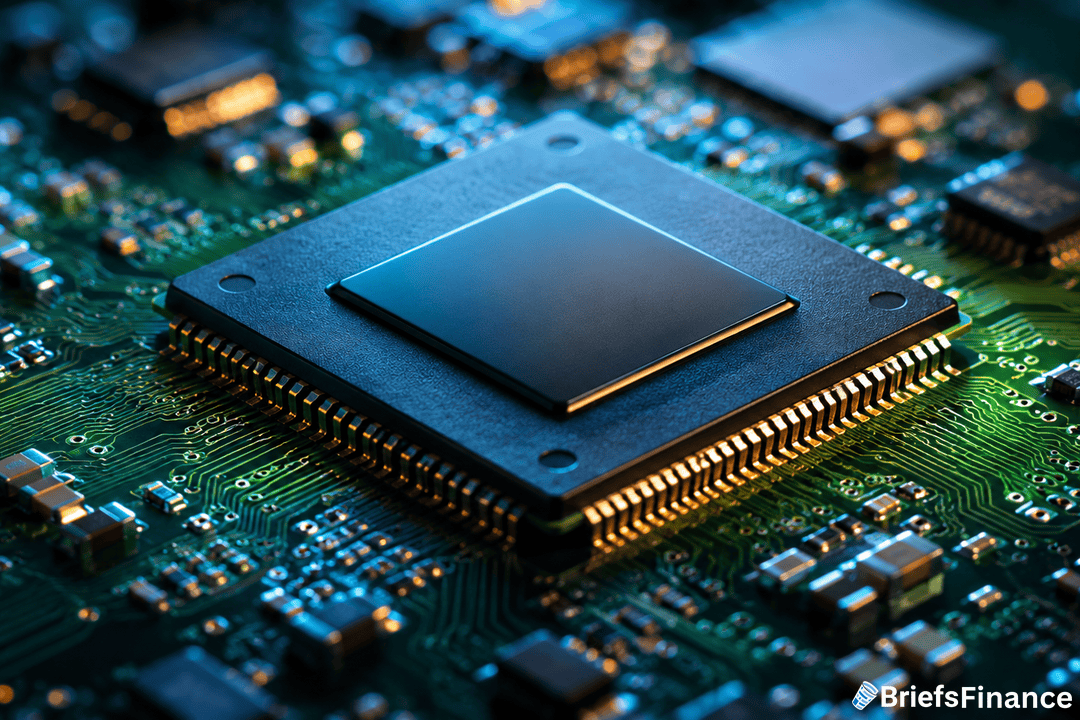
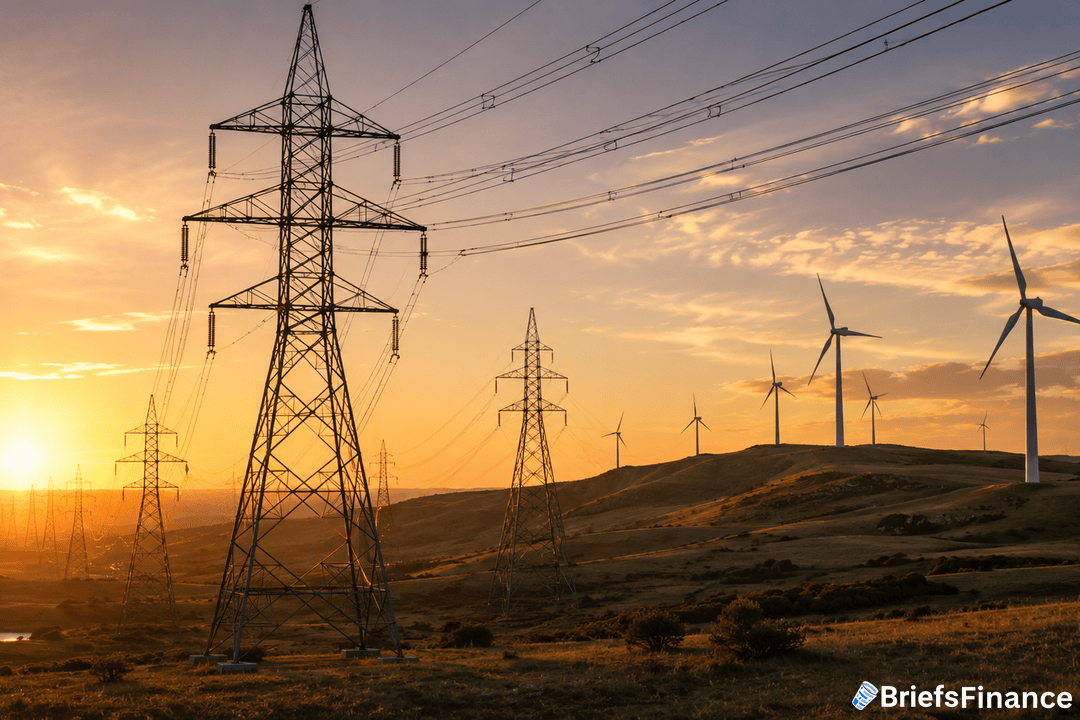
Example: During the AI boom, the picks-and-shovels play wasn't just AI software companies. It was the semiconductor makers, the data center operators, the cooling and power companies that make AI possible at scale.
4. Follow the Market Shifts
At Briefs Finance, we believe the best disruptors are always connected to a larger Market Shift.
Ask yourself:
- Is there a new technology driving this company's growth?
- Has consumer behavior changed in a way that benefits this company?
- Has a new regulation or government policy created a tailwind?
When a company sits at the intersection of multiple shifts, that's when its potential as an opportunity really starts to grow.
The Risk You Can't Ignore
Here's the part nobody loves talking about - but every serious investor needs to understand.
Disruptors are exciting - but they're also risky.
Growth stocks tied to disruptors often:
- Trade at high valuations (investors are paying for future growth, not today's earnings).
- May be unprofitable for years while they scale.
- Experience sharp drops when growth slows - even slightly.
Remember Zoom and Roku? Both crashed - not because growth stopped, but because it slowed down.
And don't forget Blockbuster. They were once a dominant company. Then Netflix disrupted them, they weren’t able to adopt, and went bankrupt years later.
The lesson: Even strong companies can become the disrupted - not the disruptor - if they stop innovating.
Disruptors in 2026: What's Happening Now
As of 2025, the themes getting the most attention from both CEOs and institutional investors include:
- Agentic AI - autonomous AI tools that can complete multi-step tasks without human input.
- Robotics and Physical AI - companies like Nvidia and Tesla are betting big here.
- On-shoring and domestic manufacturing - driven by tariff policy shifts
- Stablecoins and digital payments - blockchain quietly reshaping finance
These are themes we will likely continue to see play out throughout 2026 and beyond.
Market Disrupters: Final Thoughts
Market disruptors are companies that change behavior - and, in doing so, change where money flows.
The best investors don't just chase hot stocks. They look for the underlying shift, find the companies best positioned to benefit, and evaluate whether the price makes sense.
That's the difference between reacting to disruption and profiting from it.
But how do you identify a market shift and potential opportunities?
Our Head of Investment breakdown how our team spots market shifts before the rest of Wall Street catches on - watch or listen to the free podcast now.