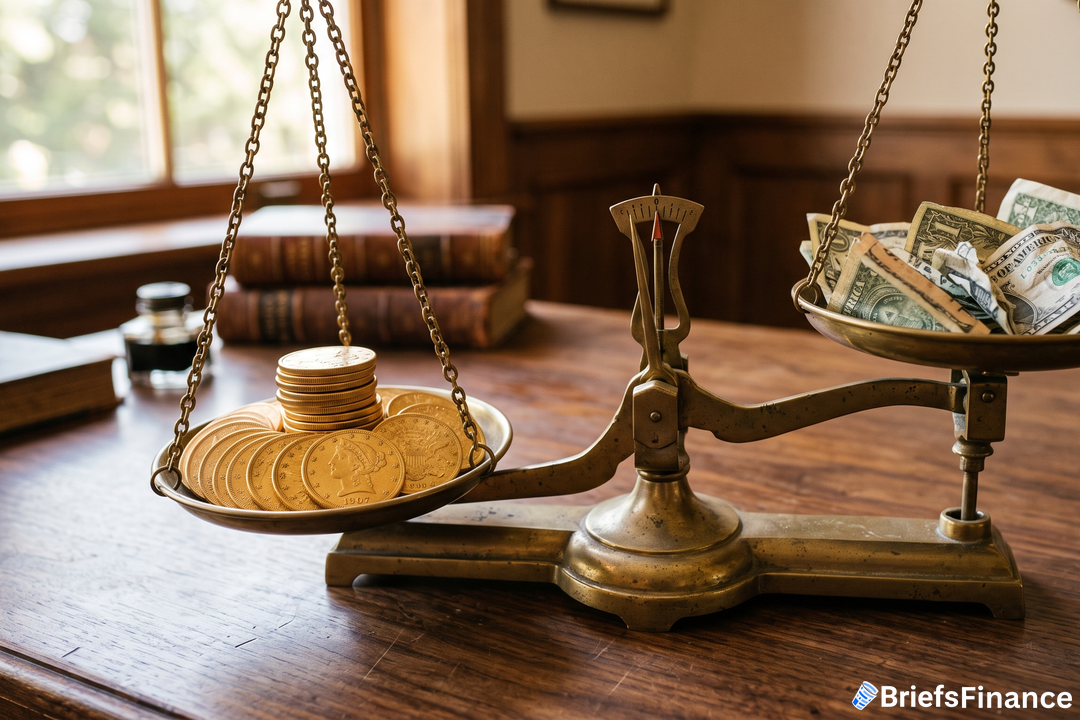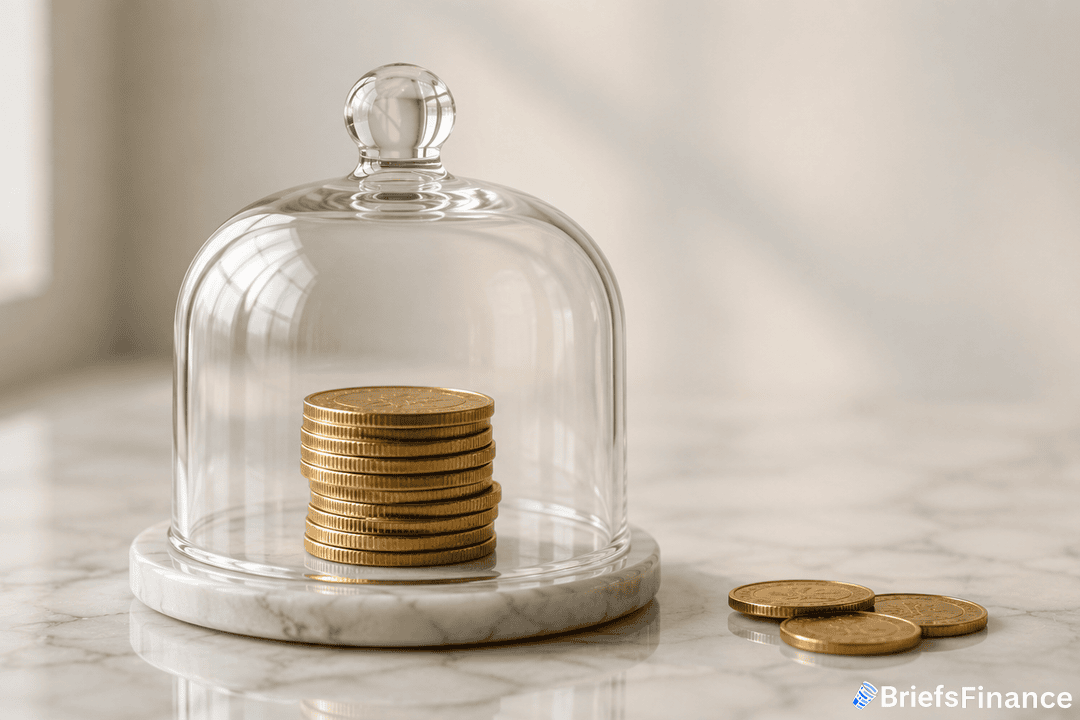

When markets crash, gold usually rises. That's why some investors call it crisis insurance. The dollar has lost over 95% of its purchasing power since 1913, but an ounce of gold still buys roughly the same amount of goods today as it did 100 years ago. (For a deeper dive on why this matters, see our complete guide to gold as an investment.)
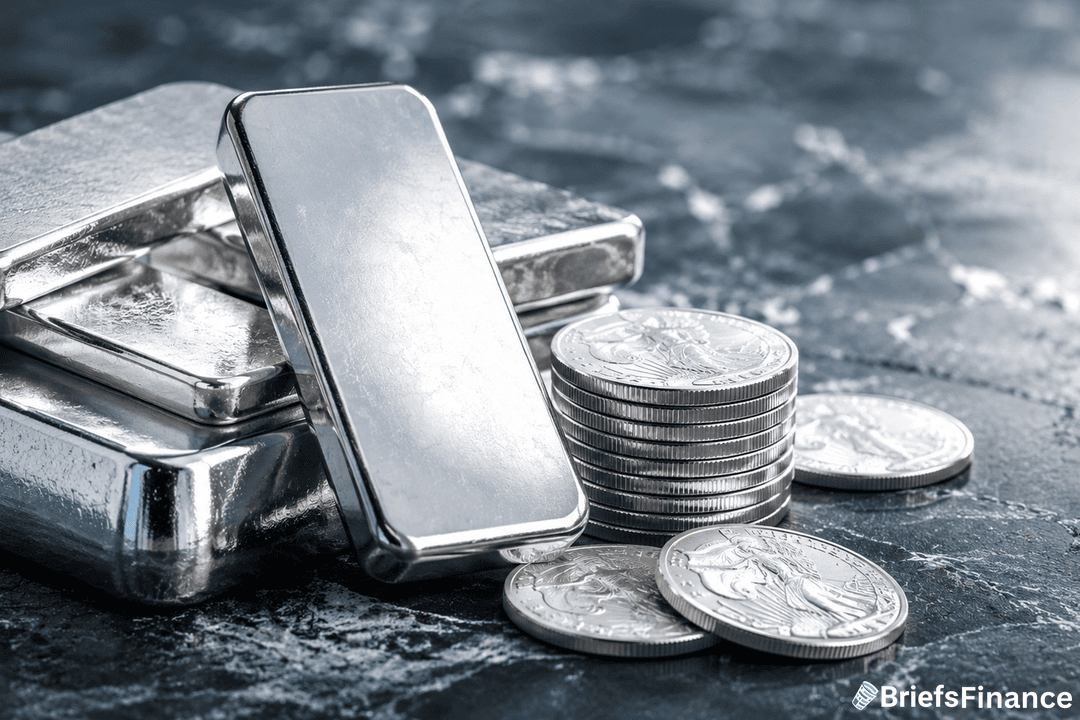
But gold isn't the only precious metal worth knowing about. Silver gets called the poor man's gold, which is misleading. Silver behaves differently from gold, and that difference matters when you're building a portfolio.
Precious metals are one piece of a smart portfolio. Following the news that moves stocks, commodities, and rates is the other. That's what Market Briefs covers every morning - our free daily newsletter. Subscribe free here.
What Gold and Silver Are as Investments
Both gold and silver are precious metals - rare, naturally occurring elements with high economic value. They're considered alternative investments because they aren't tied to a specific company, CEO, or earnings report.
Gold: The 5,000-Year Store of Value
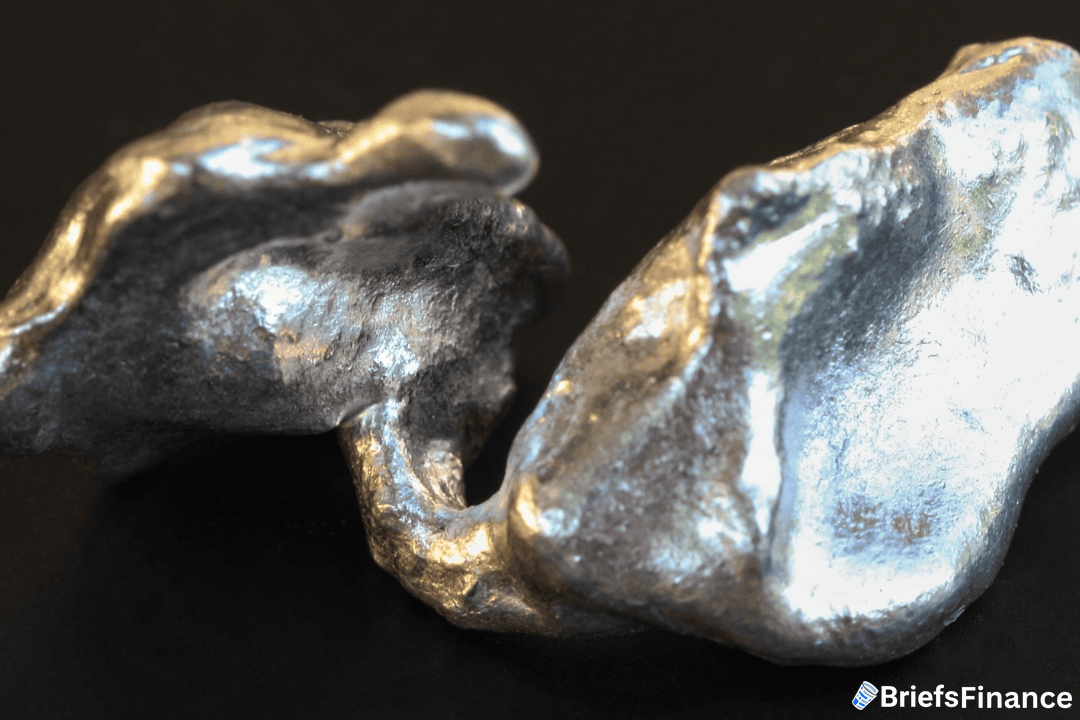
Gold is the king of precious metals. About 190,000 tons have been mined throughout human history. It's been used as money for 5,000 years.
Gold doesn't corrode. It's malleable. It's universally recognized in every culture and economic system. You can sell gold anywhere in the world.
That universality is part of what makes it valuable. If our economy or markets were to collapse, gold would still hold value because it's tradeable across borders. Some investors call this "doomsday protection."
Silver: Precious Metal Plus Industrial Metal
Silver is different from gold because it has both monetary and industrial use. It's used in solar panels, electronics, medical applications, mirrors, and more.
That industrial demand gives silver unique supply-demand dynamics. When solar panel installations are booming, silver gets pulled up. When the economy slows and industrial demand falls, silver can drop more than gold because industrial demand drops.
Silver has been valued throughout history too, but its dual role makes it move differently.
Why Investors Hold Gold or Silver
Both metals play a few roles in a portfolio. Understanding why investors buy them helps you decide if either one fits yours.
Store of Value Over Time
The dollar has lost over 95% of its purchasing power since 1913. Inflation eats away at cash savings every year. Throughout history, commodities like gold are seen as a way to protect against this because they have intrinsic value.
The reason? It takes time, money, and resources to mine and refine these metals. Plus, there's a limited supply. Paper money can be printed in unlimited amounts. Gold can't.
Portfolio Diversification
Precious metals typically have low or negative correlation with stocks. That means when stocks fall, metals often rise or hold steady. This reduces overall portfolio swings. (For more on how diversification connects to portfolio strategy, our guide on active vs passive investing is a great starting point.)
This is why understanding the difference between a security and an alternative investment matters. Gold and silver aren't tied to a CEO, a company, or an earnings report. They move based on different forces - inflation, currency strength, geopolitical tension, and industrial demand. (Compare this with the difference between stocks and bonds to see where each asset fits.)
Crisis Insurance
During major economic slowdowns or recessions, alternatives can preserve wealth when traditional assets fail. Financial crises, geopolitical conflicts, currency collapses - these are exactly the times when gold tends to perform well.
In the first half of 2025, the U.S. dollar fell more than 10%, its worst performance in over 50 years. Gold prices reached record highs as institutions piled in. The price of gold rose 32% in just that year and 189% over the past decade. (Gold's surge was one of the 5 market shifts that defined 2026 investing.)
Inflation Protection
Throughout history, when inflation runs hot, precious metals tend to perform well. Real yields - interest rates minus inflation - matter for gold. When real yields are negative (meaning inflation exceeds interest rates), gold becomes more attractive.
When inflation hit 9.1% in 2022 - a four-decade high - investors looked to assets that hold value. Gold and other commodities were among the winners.
Gold vs Silver: Key Differences for Investors
Now compare the two directly.
Volatility
Gold is the more stable metal. It moves up during high inflation, geopolitical tension, and recessions. Its price comes mostly from demand for jewelry, central bank buying, and investor flows.
Silver swings harder in both directions. When the economy is booming and demand for solar panels and electronics is high, silver tends to rally. When the economy slows, silver often falls more than gold because industrial demand drops.
That higher volatility means bigger gains in good years and bigger losses in bad ones.
Price Per Ounce
Gold trades at a much higher price per ounce than silver. The exact ratio changes, but gold is typically worth 60 to 90 times more per ounce than silver.
That difference doesn't make one better than the other. It just means you can buy more silver for the same money - useful if you're starting small and want physical metal.
Industrial Exposure
Gold has limited industrial use. Most demand comes from jewelry, investment, and central banks.
Silver is roughly half industrial demand and half investment demand. So silver tracks the global economy more closely than gold does.
How to Invest in Gold or Silver
You have three main paths.
Physical Gold and Silver Coins or Bars
Buying coins or bars from a dealer gives you direct ownership. You hold the metal yourself.
The pros: zero counterparty risk (it's just you and the metal), tangible satisfaction, and privacy. You can't hack a bar of gold. There's no digital footprint.
The cons: storage and security. You need a place to store it - a bank vault, a safe deposit box, or your home. You also need to protect it from theft.
Gold and Silver Mining Stocks
When metal prices go up, mining profits often go up faster, because mining costs stay relatively flat. (We covered this dynamic in detail in why gold mining stocks may outperform gold and our breakdown of Barrick Gold (GOLD) stock.)
Take Kinross Gold Corporation (KGC) as a real example. In 2025, their cost-per-sale was relatively unchanged from the year before. Production costs increased about 5%, but the company made significantly more money per ounce sold. Their earnings were up 210% year-over-year in Q2 2025.
That's the leverage effect of mining stocks. When gold goes up, miners usually go up faster.
The trade-off: company-specific risk. Some miners run into financial difficulties. Mining is expensive, with lots of moving parts - the metal itself, energy costs, labor, equipment. Share values can be very volatile. (This is where running each miner through proper stock valuation and a financial health check really matters.)
Gold and Silver ETFs
Funds like GLD (gold) and SLV (silver) track the metal's price without the storage hassle. There are also mining-specific ETFs like RING (gold miners), GDXJ (junior gold miners), and SGDM (gold miners specifically). (We broke down GDXJ and two other gold ETFs investors are watching for a deeper look.)
ETFs are the easiest way for most beginners. You don't physically own the metal, but you don't have to worry about storage either. (Here's how ETFs differ from mutual funds and index funds if you want a refresher.)
How Much Gold and Silver Should You Hold?
The exact split depends on your goals and risk tolerance. We teach three model allocations in our Zero to Pro program.
Conservative Gold and Silver Allocation
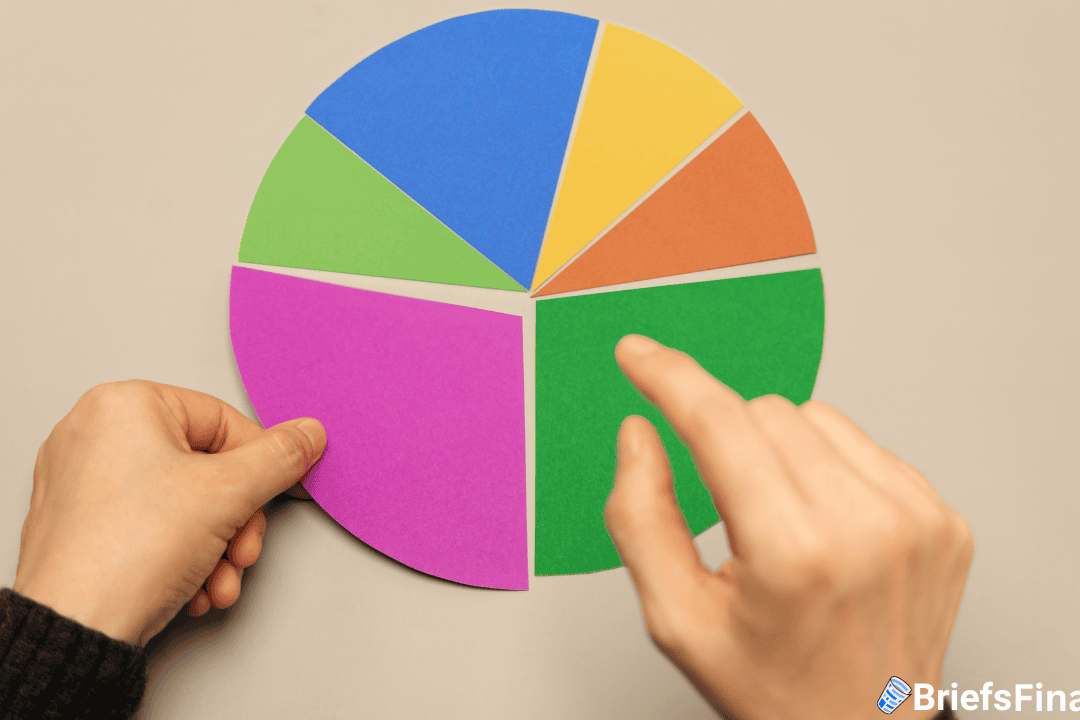
5%-7% in gold, 0%-2% in silver. Total alternative allocation: 5%-8% of portfolio.
Best for older investors near retirement or anyone who's risk-averse. The goal is modest exposure for inflation protection and stability without taking on much volatility.
Example $100,000 portfolio: $5,000 in gold ETF, $1,000 in silver ETF.
Moderate Gold and Silver Allocation
7%-10% in precious metals total. Total alternative allocation: 10%-15% of portfolio (the rest split with crypto if appropriate).
Best for investors 10-20 years from retirement. This is a balanced approach - meaningful alternative exposure for diversification, but not so much that volatility wrecks your returns.
Example $100,000 portfolio: $6,000 in gold ETF, $2,000 in silver ETF, $1,000 in platinum ETF (optional).
Aggressive Gold and Silver Allocation
8%-12% in precious metals. Total alternative allocation: 15%-25% of portfolio.
Best for younger investors with longer time horizons who can withstand significant volatility. The goal is to maximize alternative exposure for long-term diversification and growth.
Example $100,000 portfolio: $7,000 in gold ETF, $2,500 in silver ETF, $1,500 in mining stocks.
These numbers aren't rules. They're starting points.
Silver vs Gold: Which One to Buy First
If you only pick one, gold is the safer choice for most beginners. It's more stable, more universally recognized, and a clearer hedge against inflation and crisis.
If you want a small allocation to capture industrial upside and you can stomach more volatility, add some silver too. A common split is 70% gold and 30% silver inside the precious metals allocation.
The key is treating gold and silver as a small part of a diversified portfolio, not the main act. Most of your money should still be in stocks and bonds. Precious metals are protection and diversification - not your main growth engine. (For income, dividend investing and bonds usually do more heavy lifting.)
Add Gold or Silver to Your Portfolio This Year
Pick which path you want first - physical, miners, or ETFs. Then decide how much to allocate based on your age and risk tolerance. (Need to brush up on the lingo first? Our 77+ stock market terms guide covers everything from "spot price" to "futures.")
Even a 5% gold allocation can stabilize a portfolio during a crisis. And starting small is better than waiting for the "perfect" time.
Gold and silver are part of a bigger picture. To stay current on what's moving across stocks, commodities, and markets every day, subscribe to Market Briefs - our free daily newsletter delivered every morning.