You just opened your first brokerage account and you’re ready to buy a stock.
You type in "Apple" and suddenly see four letters staring back at you: AAPL.
That's Apple's stock symbol - and no matter what stock you search, every one is going to have a stock symbol.
Stock symbols are unique to each company and they’re basically a shorthand language that investors use to identify a stock.
Why does it matter? You’re going to see stock symbols or tickers a lot as you invest.
And while you don’t have to memorize the thousands of stock symbols that are out there, you should know what they mean when you see one.
Let’s break down what a stock symbol is, where they come from, and how you can use them as an investor.
Want to learn how the pros find potential investment opportunities?
Our CEO Jaspreet Singh is hosting a free live investor workshop in April where he’ll show you how to stay ahead of the market by spotting market shifts and which stocks may benefit.
What Is a Stock Symbol?
A stock symbol - sometimes called a ticker symbol - is the abbreviated version of a company's name on the stock market.
Think of it like a username. Just like your Instagram handle is a shortened version of your name, a stock symbol is how a company is identified on a stock exchange.
When a company goes public and starts trading on the stock market, it gets assigned a unique combination of letters. That combination becomes its identity in the investing world.
Every publicly traded company has one. And you'll use it every time you look up a stock, read a financial report, or place a trade.
Stock Symbol Examples
Here are a few well-known stock symbols you've probably seen before:
| Company | Stock Symbol | Exchange |
| Apple Inc. | AAPL | NASDAQ |
| Kraft Heinz | KHC | NASDAQ |
| McDonald's | MCD | NYSE |
| Amazon | AMZN | NASDAQ |
| Tesla | TSLA | NASDAQ |
| Coca-Cola | KO | NYSE |
| Microsoft | MSFT | NASDAQ |
Companies sometimes keep their stock symbols clear, like with Meta’s (the owner of Facebook) - it’s stock symbol is META.
Other companies like to get creative, like Salesforce. Its stock symbol is CRM, which also just so happens to be the acronym for Customer Relations Manager.
- That’s the type of business Salesforce is in.
The key thing to remember is that the stock symbol is how you find and trade a company on the stock market.
When you type AAPL into your brokerage app, you're pulling up Apple. When you research KHC, you're looking at Kraft Heinz.
But companies can make their stock ticker anything, so make sure the symbol matches the company before you make a trade.
Where Do Stock Symbols Come From?
Stock symbols are tied to the exchange a company trades on.
In the United States, the two biggest stock exchanges are the New York Stock Exchange (NYSE) and the NASDAQ.
These are the marketplaces where investors buy and sell shares of public companies.
Companies listed on the NYSE traditionally have one to three letter symbols. Companies on the NASDAQ typically have four letters.
That's why Coca-Cola - listed on the NYSE - trades under KO (two letters). And Apple - listed on the NASDAQ - trades under AAPL (four letters).
This isn't always a hard rule, but it's a useful pattern to keep in mind.
The origins for stock symbols go back to the 1800s. Investors needed to transmit traders via telegraphs.
Back then, long names used up more ink and paper, so investors introduced stock symbols to abbreviate company names.
Why Stock Symbols Matter for Investors
Knowing hundreds of tickers is a fun party trick, but interacting with symbols is also something you’ll see constantly as an investor.
- Researching companies. When you want to look up a company's financials, you'll search by its ticker symbol on sites like Yahoo Finance, Google Finance, or your brokerage app.
- Buying and selling stocks. Every trade you make requires entering the correct stock symbol. Typing the wrong ticker could mean buying the wrong company.
- Reading financial news. News outlets, earnings reports, and analyst research all reference companies by their ticker symbols. If you see someone talking about MSFT, they're talking about Microsoft.
- Tracking your portfolio. Your brokerage account lists your investments by ticker symbol. If you own shares of Tesla, you'll see TSLA in your portfolio.
Stock Symbol vs. Company Name - Why They're Different
A company's legal name and its stock symbol are not always the same thing.
For instance, the company behind Google is called Alphabet - but its stock symbol is GOOGL.
This matters because when you're searching for a stock to buy, you need to use the correct ticker.
Searching "Facebook" in your brokerage might not pull up the right result. Searching META will.
What Else to Know Beyond the Stock Symbol
Once you've found a company's ticker symbol, there are a few key pieces of information you'll want to understand as an investor.
Share price is what one share of the company currently costs.
But here's the thing - a higher share price doesn't mean a company is more valuable. A company trading at $100 per share isn't necessarily worth more than a company trading at $10 per share.
Why? Because of market capitalization - or market cap.
This is how much the entire company is worth on the stock market.
You calculate it by multiplying the share price by the total number of shares outstanding - the total number of shares, or slices of the pie, that exist.
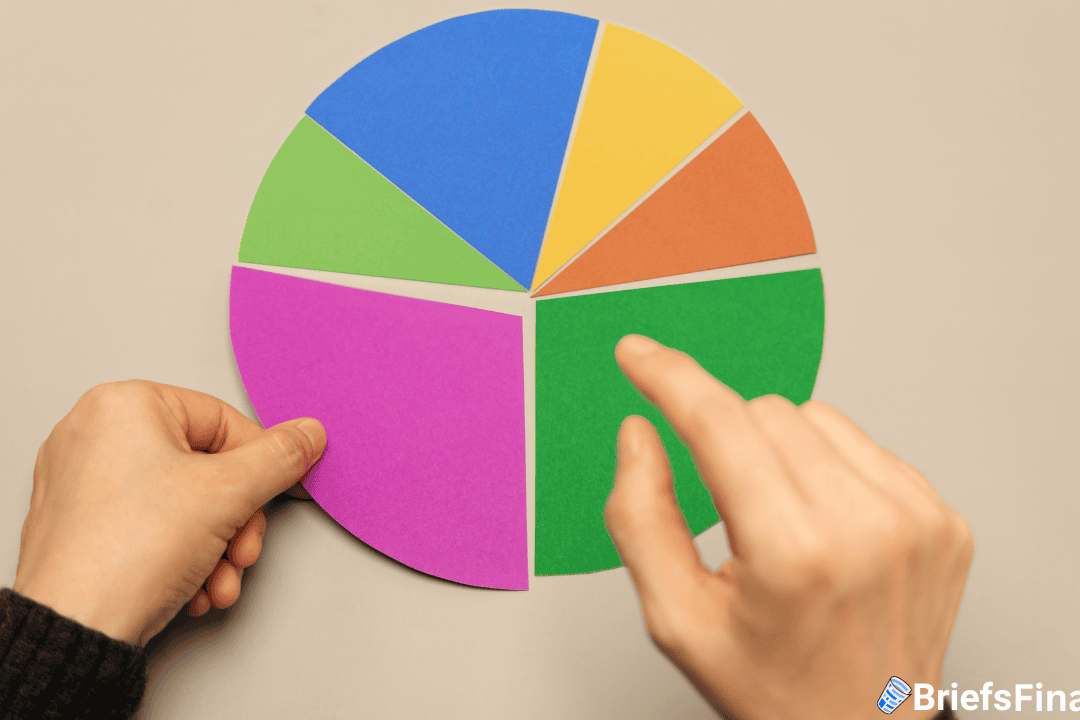
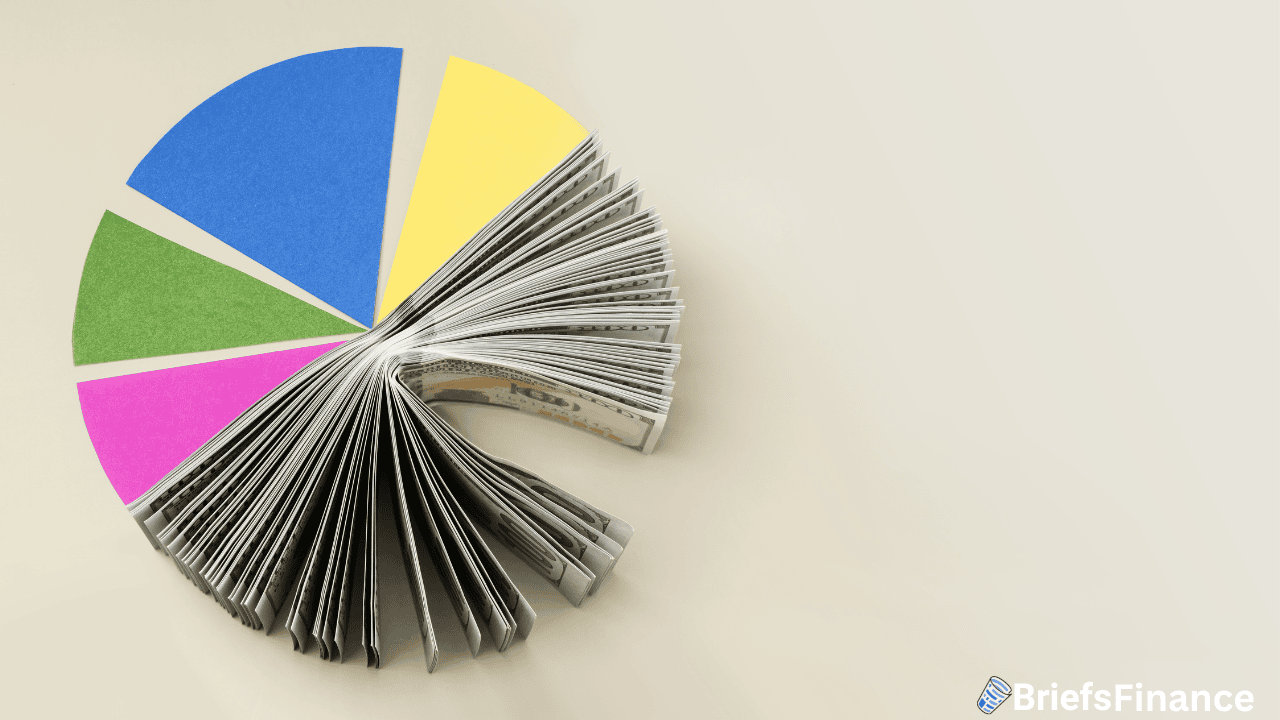
Think of a company like a pie. You can divide that pie into as many slices as you want. Each slice is a share.
If the company is worth $100 and you divide it into 10 shares, each share is $10.
Divide it into two shares and each one is $50. The company's total value didn't change - just the price per slice.
That's why the stock symbol is just your starting point. From there, you dig deeper into the numbers to determine if the stock is a great deal to you or not.
How to Look Up a Stock Symbol
Looking up a stock symbol takes about five seconds.
Go to Google and type the company name followed by "stock." Google will show you the ticker symbol, the current share price, and a basic chart of recent price movement.
You can also search directly inside your brokerage account.
And if you want to go deeper, every publicly traded company has an Investor Relations page on its website.
This is where public companies publish earnings reports, financial filings, press releases, and other documents that investors use to research the company.
It's one of the most underutilized resources by retail investors.
It's a one-stop shop for everything you need to know about a company from an investor perspective.
Stock Symbols: The Bottom Line
A stock symbol is simply a company's shorthand on the stock market. It's the abbreviation you'll use every time you research, buy, or track a stock.
- Apple is AAPL.
- Kraft Heinz is KHC.
- Coca-Cola is KO.
There are thousands of publicly traded companies, each with its own unique stock symbol.
So, spend less time memorizing them and more time understanding what they mean.
Once you know the ticker, you can start digging into the real numbers - share price, market cap, earnings, and more.
And that's where the real investing starts.
The next step is to decide whether a stock is a potential investing opportunity or not.
Our CEO Jaspreet Singh is hosting a free live investor workshop this April where he’ll show you how to spot market shifts and companies that could profit.