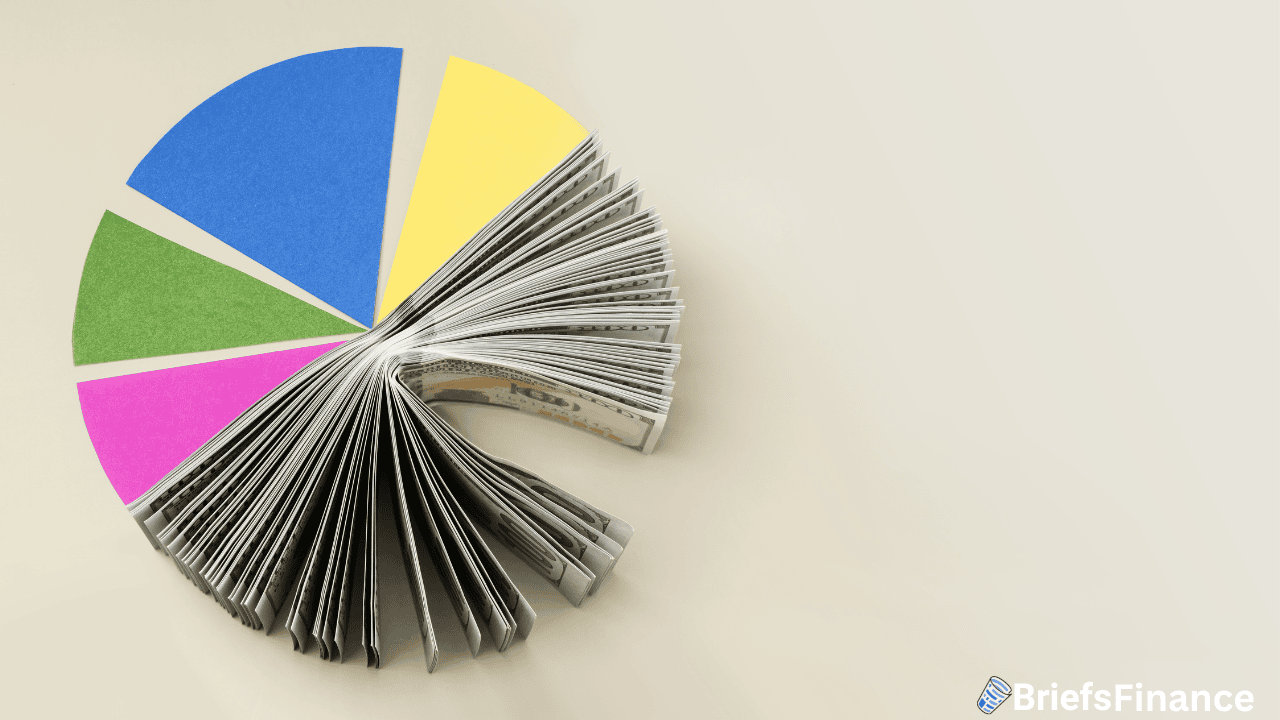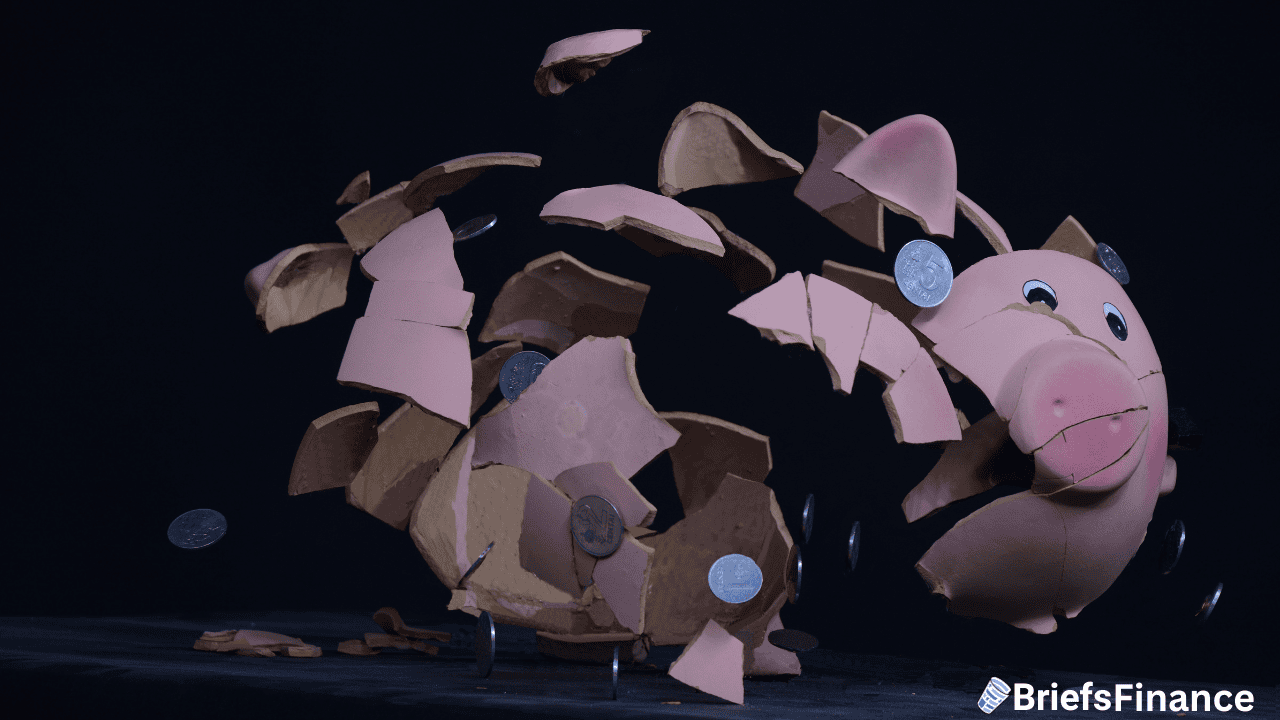

Think of a company like a pie. (you can pick your favorite - like apple or pumpkin).
When you invest in a public company, what you’re really doing is buying a share of ownership in that company.
Companies often have millions or billions of shares of ownership - the more shares you own, the voting power you have in shareholder meetings.
You can slice that pie into as many pieces as you want. Each slice is a share. The whole pie - the company - is still worth the same amount.
It doesn't matter how many slices you cut it into.
Companies sometimes split their stock - which changes the amount of shares outstanding (or available to be bought) without changing how much ownership you have.
So then, why do companies do it, how does it work, and what does it mean for investors?
Let's break down what a stock split is, why companies do it, and when it can be a potential red flag.
Before you read on: If you want to discover which stocks are market analysts are watching right now, subscribe to Market Briefs Pro.
What Is a Stock Split?
A stock split is when a company increases the total number of shares available - without changing the overall value of the company.
Companies do this to make their stock price more affordable for everyday investors.
If a stock is trading at $500 a share, that's a big ticket for a lot of people.
By doing a stock split, a company can bring that price down to $250, $100, or even lower - without actually losing value.
How Does a Stock Split Work?
Let’s break down an example:
Let's say a company has 5 shares outstanding, and each share is trading at $10 a share. The company is worth $50 total.
The company decides to do a 2-for-1 stock split.
That means:
- The number of shares doubles - from 5 shares to 10 shares.
- The price per share gets cut in half - from $10 down to $5 per share.
- The company is still worth $50.
Nothing changed about the company's actual value. The pie is still the same size. It's just cut into more slices now.
What this means for investors:
If you owned 1 share before the split, you now own 2 shares - each worth $5. Your investment is still worth $10. You didn't gain or lose anything.
Why Do Companies Do Stock Splits?
One word: accessibility.
When a stock price gets really high, it can feel out of reach for regular investors. A stock split brings the price down to a level where more people can afford to buy in.
More buyers typically means more interest in the stock. And more interest is generally good for a company.
What Happens to Dividends in a Stock Split?
Dividends are profits that are returned to shareholders, instead of reinventing back into the company.
Not every company has a dividend, as they’re not legally obligated to.
But for the companies that do have a dividend, how do stock splits factor into the equation?
Let's use that same 5-share company. Before the split, the company is paying a $0.50 dividend per share.
You own 1 share, so you collect $0.50 in dividends.
After a 2-for-1 stock split:
- You now own 2 shares.
- The dividend per share is cut to $0.25 per share.
- But 2 shares × $0.25 = $0.50 total.
You're still getting the same amount. The dividend didn't actually get cut - it just adjusted for the split.
This is important to understand when you're analyzing dividend stocks.
If you see a dividend that looks smaller, always check first - it might just be a stock split adjustment, not a sign the company is struggling.
A Real-World Example: 3M
Let's look at 3M (MMM) to see this in action.
In 2000, 3M was trading at $23 a share with an annual dividend of $2.32 per share.
By 2005, the stock had risen to $45 a share - but the dividend per share appeared to drop to $1.68. Why?
Because 3M did a 2-for-1 stock split. That means for every 1 share you owned, you now owned 2.
So when you factor in both shares, the dividend adds up to about $3.36 - actually higher than before.
That's not a dividend cut. That's a stock split doing exactly what it's supposed to do.
Forward Split vs. Reverse Split
Stock splits can get completed - but these two are the most common:
Forward Stock Split - This is the standard kind we've been talking about.
More shares, lower price. Companies use this when their stock price has grown significantly and they want to make it more accessible.
Reverse Stock Split - This is the opposite. The company reduces the number of shares and raises the price per share.
For example, in a 1-for-10 reverse split, every 10 shares you owned become 1 share - but at 10x the price.
Companies sometimes do this when their stock price has dropped very low and they need to bring it back up to meet listing requirements or improve perception.
| Type | Shares | Price Per Share | Your Total Value |
| Forward Split (2-for-1) | Doubles | Cut in half | Same |
| Reverse Split (1-for-10) | Reduced by 10x | Multiplied by 10 | Same |
Stock Splits: Final Thoughts
A stock split sounds complicated - but it really is just like cutting a pie.
You can slice the pie however you want, but the whole pie still exists.
Spits are the same way - companies do them to make shares more accessible, or do reverse spits to increase public perception.
What matters far more is the underlying strength of the company you're investing in.
Our market analysts are researching new stocks that they feel are potential strong stock market opportunities in Market Briefs Pro.
Many of these stocks the market may be overlooking right now - subscribe to Market Briefs Pro to discover which stocks our analysts are watching.