Most people think their portfolio starts and ends with stocks and bonds. That is a fine starting point. But the investing world has more layers than that.
The serious investors you read about often have something else in the mix - alternative investments. Here is what they are, why they matter, and how to think about adding them.
Alternative Investments Explained: What Counts As One
An alternative investment is anything outside the regular world of stocks and bonds. The most common types of alternative investments are:
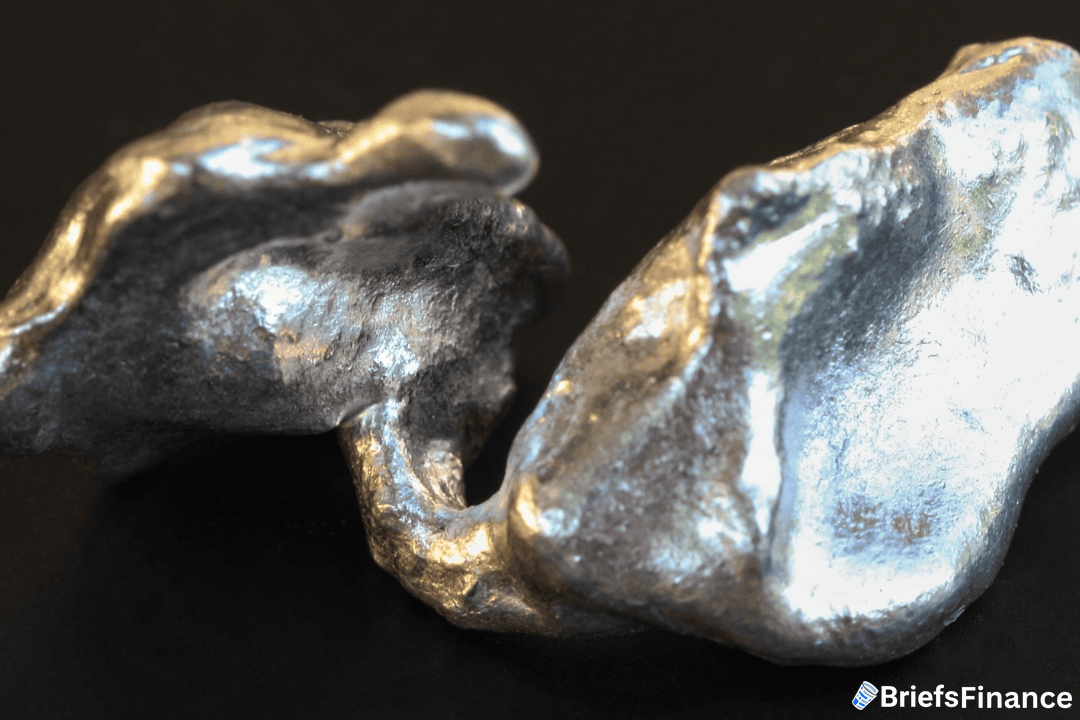
- Precious metals like gold, silver, and platinum
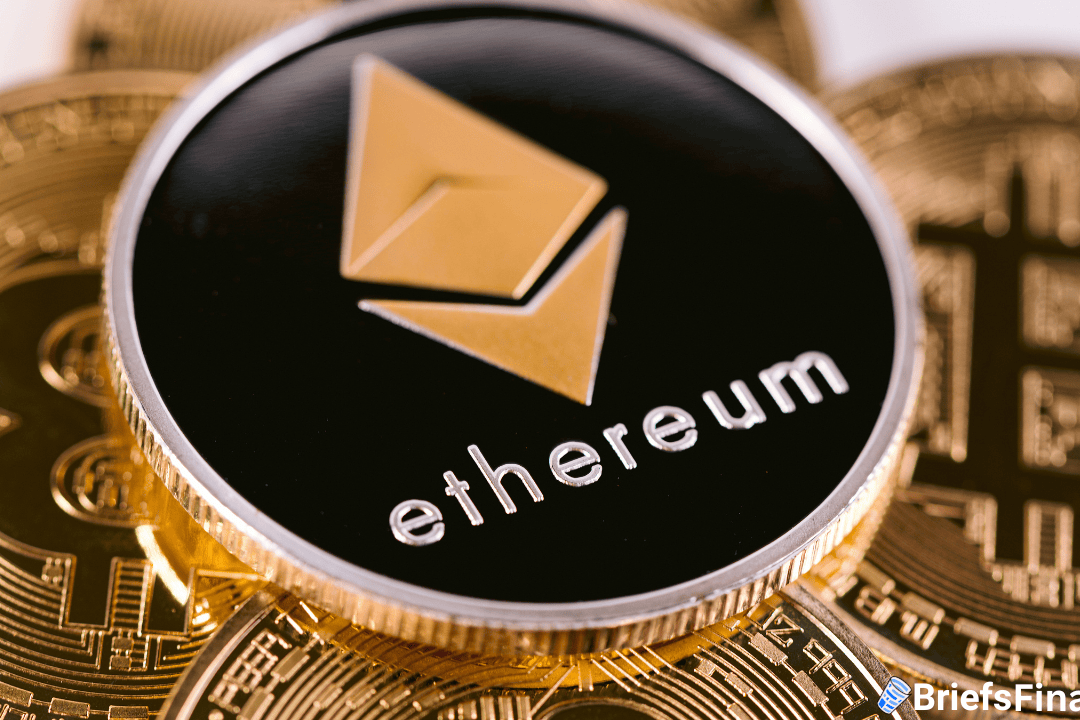
- Cryptocurrencies like Bitcoin and Ethereum
- Physical real estate
- Commodities like oil and agricultural products
- Art, collectibles, and tangible assets
There is also another tier - hedge funds and private equity. Those are usually for accredited investors with high net worth and high risk tolerance.
For most regular investors, precious metals, crypto, and real estate are the most accessible alternatives. You do not need millions of dollars or special status. You can start with a few hundred bucks.
Alternative Investments Vs. Regular Securities
This is where most beginners get confused. Let's clear it up. When you buy a stock, you are buying a security. That has specific rules:
- Regulated by the SEC
- Subject to securities laws
- Backed by a real company with employees and operations
- Can pay you dividends
When you buy gold or Bitcoin, the rules are different. Gold and other commodities:
- Not regulated by the SEC (they fall under the CFTC)
- Don't represent ownership in a company
- Don't produce income
- Valued based on supply, demand, and intrinsic worth
Crypto:
- Not securities
- Not physical commodities, though they share traits with both
- Exist purely as digital entries on blockchain networks
- Generally treated as property by tax authorities
That difference matters because it changes:
- How you buy and store them
- How they are taxed
- Why they move in price
- What risks you are taking
Why Add Alternative Investments To Your Portfolio? There are four main reasons.
1. Diversification through non-correlation
Alternatives often move independently of stocks and bonds. When the stock market crashes, gold frequently rises. When traditional finance feels uncertain, crypto adoption can speed up. That lack of correlation reduces your overall portfolio swings. You are not putting all your eggs in one basket.
2. Inflation protection
In 2022, inflation hit 9.1%. That meant cash was losing real value fast. Gold has historically been a hedge against inflation. It takes time, money, and resources to mine. Plus, the supply is limited. Paper money can be printed in unlimited amounts. Some cryptocurrencies, like Bitcoin, also have a fixed supply, which can theoretically protect against currency loss.
3. Crisis insurance
During recessions, geopolitical conflicts, and currency collapses, alternatives can hold value when traditional assets fall. Knowing how to invest during a recession is part of why investors hold alternatives in the first place. Gold has been called "crisis insurance" because its value tends to rise during volatile times. Even if the economy crashes, gold still has intrinsic value and can be traded with anyone, anywhere in the world.
4. Growth and innovation exposure
Cryptocurrencies in particular give you exposure to a new financial technology. It is similar to investing in internet companies in the 1990s. High risk, but potentially high reward for those who choose carefully.
The Most Common Types Of Alternative Investments, Explained
Let's go a little deeper on each. Precious metals. There are eight in total, but four matter for most investors: Metal
Main Uses
Gold
- Jewelry, electronics, store of value
Silver
- Solar panels, electronics, medical, industrial
Platinum
- Catalytic converters, jewelry, industrial
Palladium
- Catalytic converters, emissions control
Gold is the king. Our complete guide to gold investing breaks down whether it belongs in your portfolio. Silver has both precious and industrial demand, and our silver vs gold investing guide walks through which one fits where. Platinum and palladium are tied closely to the auto industry. Other commodities matter too. Copper is in the middle of a major shortage.
Lithium powers every battery on the planet.
Uranium is back in focus thanks to AI energy demand. And rare earth minerals have become a national security priority - the U.S. government is now buying stakes in producers. Cryptocurrency. The two most common are Bitcoin and Ethereum.
- Bitcoin is "digital gold." Fixed supply of 21 million coins. Store of value.
- Ethereum is more like a global computer. It powers smart contracts, DeFi, and apps you cannot easily build elsewhere.
Real estate. Owning physical property is one of the oldest alternative investments. (If you are weighing whether to buy a home in the first place, our piece on renting vs buying breaks down the real math.)
You can also get exposure through REITs (Real Estate Investment Trusts), which trade like stocks and let you invest in real estate without becoming a landlord. Commodities. Oil, wheat, coffee, copper.
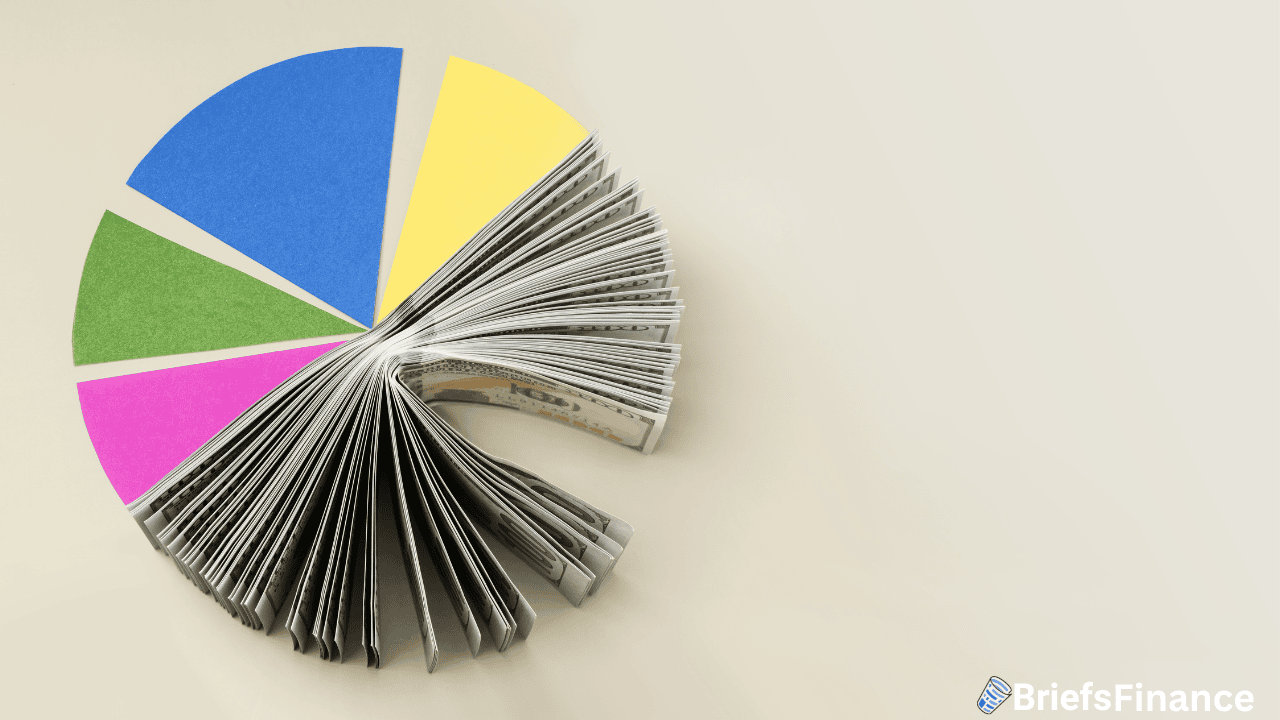
Most regular investors get exposure through ETFs or stocks of companies in those industries. How Much Of Your Portfolio Should Be In Alternative Investments? This depends on your risk tolerance and time horizon. Three rough models: Conservative (low risk, near retirement):
- Total alternatives: 5% to 8%
- Mostly gold
- Little to no crypto
Example $100,000 portfolio: $5,000 in gold ETF, $1,000 in silver ETF, $1,000 in Bitcoin ETF (optional). Moderate (medium risk, 10 to 20 years to retirement):
- Total alternatives: 10% to 15%
- Precious metals 7% to 10%
- Crypto 3% to 5%
Example $100,000 portfolio: $6,000 in gold ETF, $2,000 in silver ETF, $1,000 in platinum ETF, $3,000 in Bitcoin, $1,000 in Ethereum. Aggressive (high risk, decades to retirement):
- Total alternatives: 15% to 25%
- Precious metals 8% to 12%
- Crypto 7% to 13%
Example $100,000 portfolio: $7,000 in gold ETF, $2,500 in silver ETF, $1,500 in mining stocks, $6,000 in Bitcoin, $3,000 in Ethereum. These are starting points. Adjust based on your situation. Start at the low end and increase over time as you gain comfort.
How To Actually Buy Alternative Investments
For most alternatives, you have three paths:
- Direct ownership - buy the physical metal or the actual crypto
- ETFs - buy a fund that tracks the price. For gold specifically, our piece on GDXJ stock and other gold ETFs breaks down a few worth watching.
- Related stocks - buy a mining company or related business. For example, our piece on why gold mining stocks may outperform gold and our breakdown of Barrick stock explain how miner stocks can amplify your gold exposure. The same logic applies to copper - our piece on how to invest in copper mining covers companies, ETFs, and risks.
Each has trade-offs. Direct ownership gives you full control but more storage and security work. ETFs are easy and tax-friendly but charge fees. Stocks give you leverage to the asset but add company risk.
The FOMO Trap That Wrecks Alternative Investors
Here is the warning every alternative investor needs. FOMO destroys more investors than nearly any other factor. Bitcoin jumps 30% in a week and you rush to buy at the peak. Gold rallies and you abandon your plan.
You see crypto millionaire posts and dramatically increase your allocation. The fix is simple. Pick your allocation. Stick to it. Use dollar cost averaging to spread out purchases. Trust the strategy you set when emotions were calm.
Alternative Investments Explained: The Bottom Line
Alternative investments explained in one line: they are anything that is not a regular stock or bond, and they help you diversify against risks the stock market cannot protect you from.
Used right, they smooth out your portfolio and give you exposure to things like inflation hedges and new technology. Used wrong, they become FOMO-driven gambles that wreck a careful plan. Pick your allocation. Pick your path. Stick to the plan.