Do You Have to Pay Taxes on Stocks? Short answer: […]

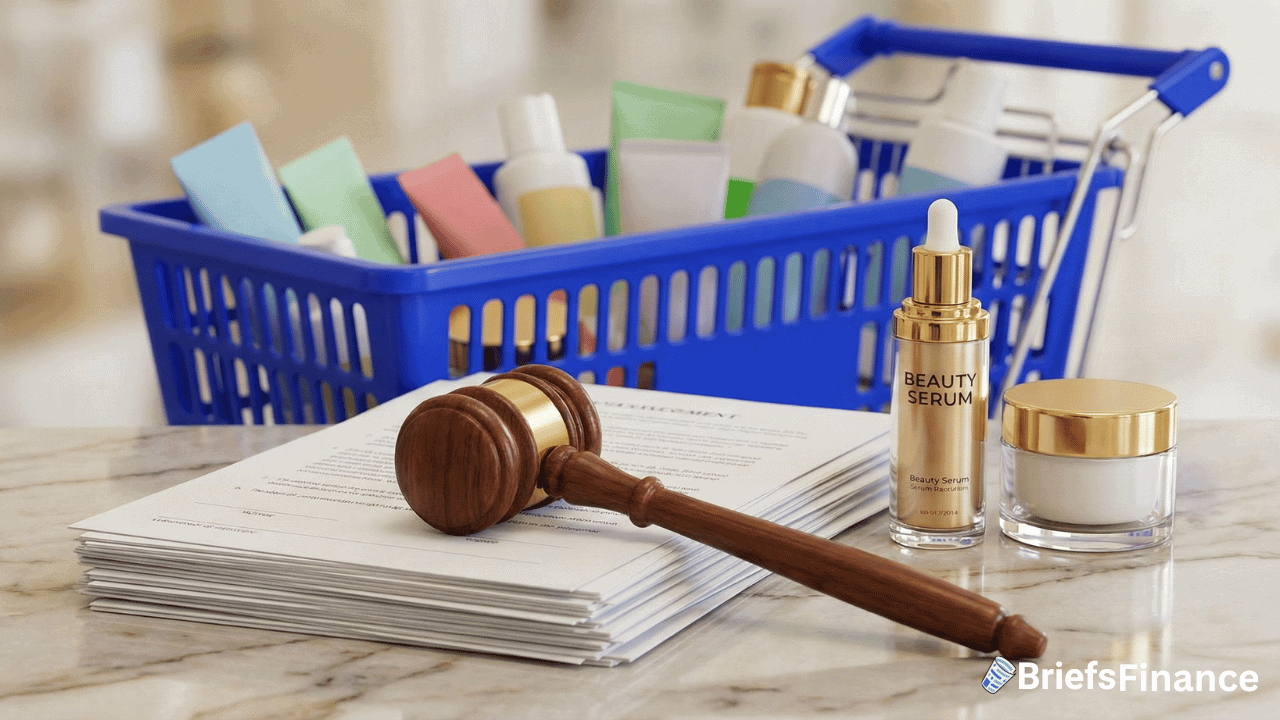
Estée Lauder filed a lawsuit against Walmart in California federal court, claiming the retailer sold counterfeit beauty products through its online marketplace.
The lawsuit, filed on Monday, alleges that products using the trademarks of La Mer, Le Labo, Clinique, Aveda, and Tom Ford were sold as authentic but were actually fakes, according to the complaint.
The complaint details various counterfeit items, including Estée Lauder's Advanced Night Repair serum, Clinique Smart Clinical Repair Wrinkle Correcting Eye Cream, and other popular beauty products.
Estée Lauder conducted tests on these products, which confirmed they were not genuine, as mentioned in the lawsuit. This legal action follows a CNBC investigation that exposed the sale of these counterfeit products on Walmart.com.
Although the counterfeit products were sold by third-party sellers, Estée Lauder argues that Walmart played an active role in facilitating those sales. The company described Walmart's conduct as 'extreme, outrageous, fraudulent, and despicable.'
The lawsuit claims that shoppers on Walmart.com might have mistakenly believed they were purchasing items directly from Walmart instead of third-party sellers, causing confusion.
Walmart has made statements regarding its commitment to customer safety, asserting that 'trust and safety are non-negotiable' and that it enforces a 'zero-tolerance policy for prohibited or noncompliant products.' This statement emphasizes the retailer's intention to maintain a secure shopping environment for consumers. However, the lawsuit suggests that Walmart has not done enough to ensure the authenticity of the products sold on its platform.
The lawsuit against Walmart highlights concerns regarding the safety of online marketplaces, especially regarding counterfeit products.
Walmart's online marketplace has been a crucial part of its strategy to increase profits and compete with rivals like Amazon. Recently, Walmart reached a market capitalization of $1 trillion, demonstrating its significant growth in the retail sector. However, the presence of counterfeit goods on the platform could undermine customer trust and brand reputation.
The Shop Safe Act is a bipartisan federal bill aimed at curbing the sale of counterfeit products on online marketplaces. The legislation proposes to incentivize platforms to better vet their sellers and the products they offer.
However, this bill has failed to pass multiple times, partly due to lobbying efforts from Walmart and other online marketplaces like Amazon and eBay. The failure to enact such legislation raises questions about the responsibilities of online platforms in preventing the sale of counterfeit goods.
As the lawsuit progresses, both Estée Lauder and Walmart are likely to face scrutiny regarding their practices.
The outcome could influence how online marketplaces manage third-party sellers and the authenticity of products sold on their platforms. For now, Estée Lauder seeks accountability from Walmart for the alleged sale of counterfeit products, which could have lasting implications for both companies.
Do You Have to Pay Taxes on Stocks? Short answer: […]
Everybody wants to know the secret to buying a stock. […]
Gold and silver hit new record highs in 2026 - […]
The term asset gets thrown around in finance quite a […]
Every public company has to share three financial statements with […]
The Quiet Rotation Nobody Is Talking About Over the last […]
When you hear investors talking about “the market” they’re most […]
What Is a Market Disruptor? A market disruptor is a […]
For years, the "smart money" in defense went to cyber […]
If you want to understand what you’re investing in, you […]