Do You Have to Pay Taxes on Stocks? Short answer: […]

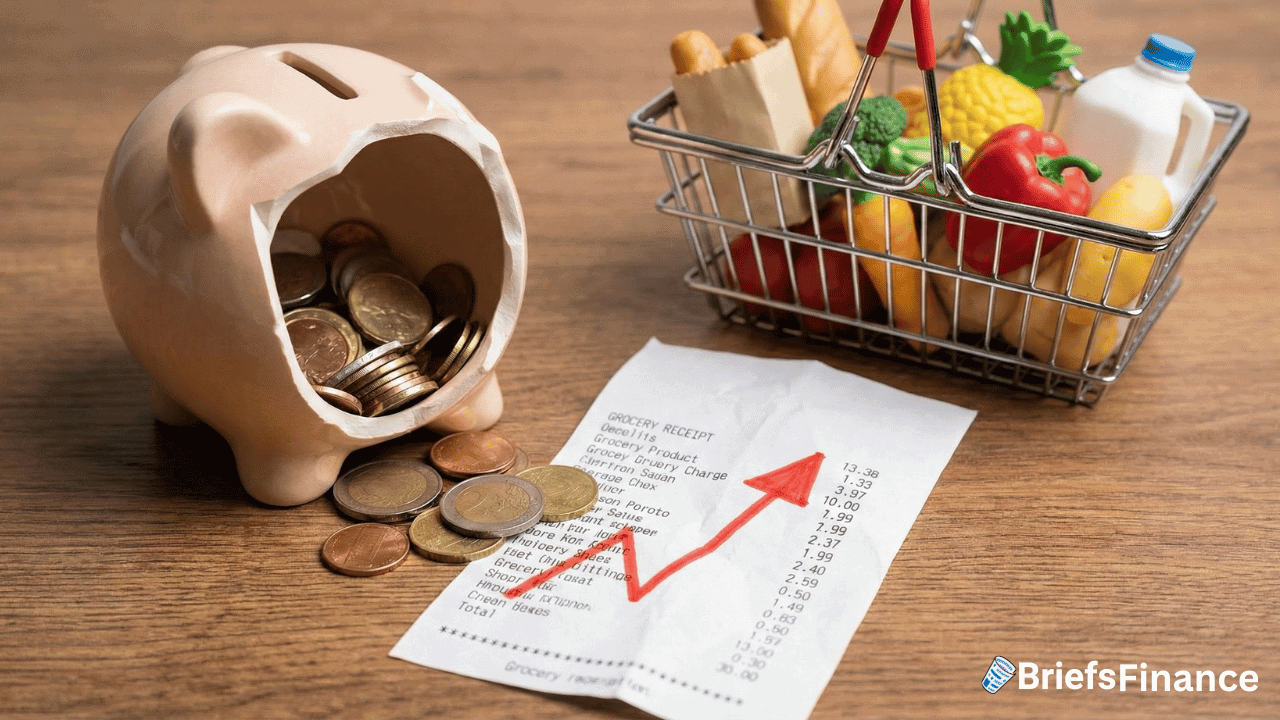
Inflation was supposed to be cooling off. January's wholesale price data had other ideas.
The Producer Price Index — which tracks what businesses pay each other for goods and services before those costs reach consumers — rose 0.5% in January, nearly double what economists had forecast. The core reading, which strips out food and energy, jumped 0.8% — the sharpest monthly increase in nearly a year.
Think of PPI as an early warning system. When businesses are paying more, they usually pass those costs downstream — meaning today's wholesale prices can become next month's grocery bill.
The report sent stocks tumbling Friday morning. The Dow dropped over 700 points, with investors worried the Federal Reserve will keep interest rates on hold well into the summer — or longer. Markets had been hoping for rate cuts sooner.
There's also a tariff fingerprint in the data. Prices for apparel, footwear, and chemicals all moved sharply higher — categories that tend to feel the effects of import tariffs quickly. That's a problem for anyone hoping trade policy wouldn't show up in prices.
The Fed's inflation target is 2%. Core wholesale prices are now running at 3.6% annually — the highest in 10 months. President Trump has been pushing loudly for lower rates, but the data isn't giving the Fed much room to move.
Rate cuts feel further away today than they did yesterday.
Do You Have to Pay Taxes on Stocks? Short answer: […]
Everybody wants to know the secret to buying a stock. […]
Gold and silver hit new record highs in 2026 - […]
The term asset gets thrown around in finance quite a […]
Every public company has to share three financial statements with […]
The Quiet Rotation Nobody Is Talking About Over the last […]
When you hear investors talking about “the market” they’re most […]
What Is a Market Disruptor? A market disruptor is a […]
For years, the "smart money" in defense went to cyber […]
If you want to understand what you’re investing in, you […]