President Trump's Treasury Secretary, Scott Bessent, says the economy is fixed. For years the rich got richer and the poor got poorer, and he says that has now flipped.
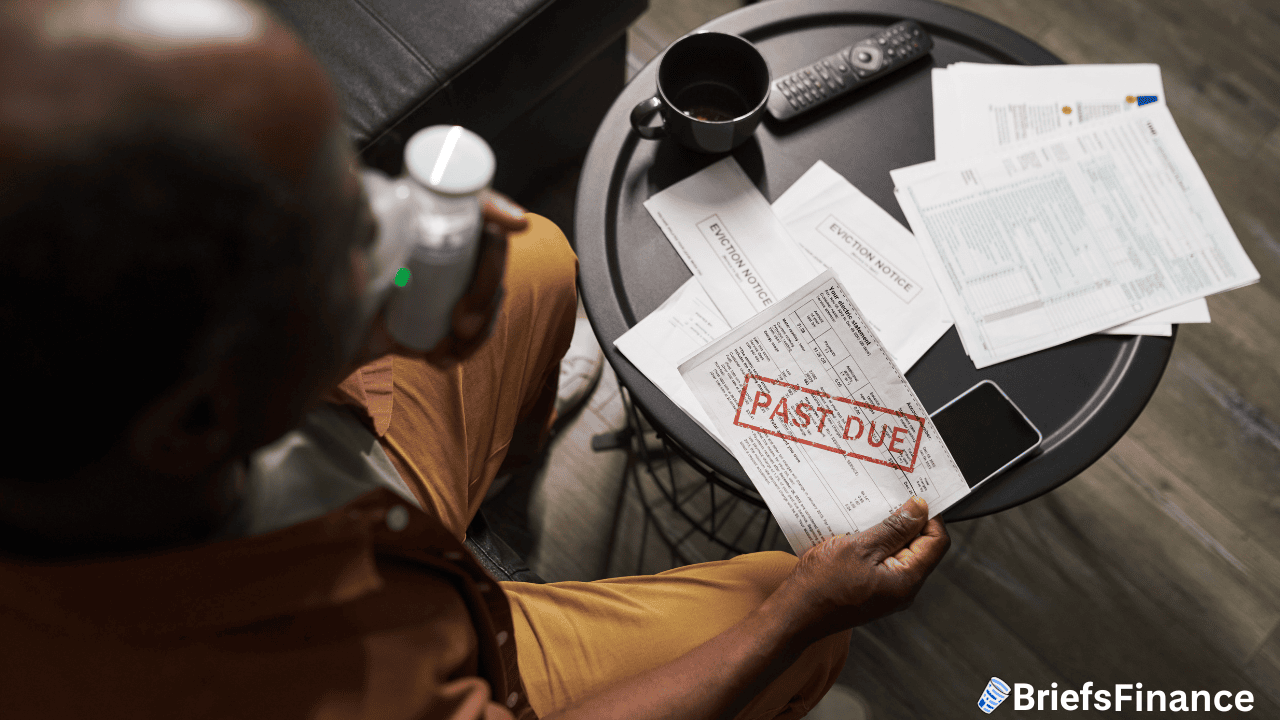
A lot of people don't feel that way. Prices keep rising faster than incomes, the job market is still slow, and the stock market keeps booming anyway.
The White House decides economic policy. If you understand how the White House thinks, you can see where money is moving and make smarter investments.
That is also why Jaspreet Singh, our CEO, is hosting a free live investor workshop on September 29th on how to profit from the dollar losing value. He is running it twice that day, at 10:30 a.m. and 8 p.m. Eastern, and it's free and online.
The K-Shaped Economy That Made Investors Rich
After the pandemic, people started talking about a K-shaped recovery. The name comes from the shape of the letter, with one arm going up while the other goes down.
The winners were the people who owned assets. The stock market boomed and real estate values boomed, so those investors got very rich.
Everyone else was living on a salary, and inflation ate away at their paychecks and their savings, so they got poorer.
Bessent says that is over. The economy is now in a C-shaped recovery, he says, where the rich are getting poorer and the poor are getting richer.
Plenty of people are scratching their heads, because they don't feel any richer.
Where Washington Gets Its Economy Numbers
Bessent is using the White House's own data. It shows the bottom earners in America saw their incomes rise 5.5% over the last 12 months, while the top earners saw only a 1.8% rise.
The Fed and Bank of America Show Different Numbers
Our analysts compared the White House's data against the Federal Reserve, the country's central bank, and the big Wall Street banks.
| Source | Bottom earners' income growth | Top earners' income growth |
|---|---|---|
| White House (last 12 months) | +5.5% | +1.8% |
| Atlanta Federal Reserve (June) | +3.4% | +3.9% |
| Bank of America (June) | +4.1% | +4.2% |
The Fed and Bank of America both show top earners' incomes growing a little faster than bottom earners'. The White House shows bottom earners pulling ahead by a wide margin.
The White House and the Federal Reserve set policy based on what they see in these numbers, and Wall Street invests based on what those two do.
Businesses in the Real Economy Don't Agree Either
The CEO of Hilton says we're in a C-shaped recovery because the gap between his rich and poor customers is closing. Marriott says this is still a K-shaped economy.
The CEO of McDonald's says poor people can't even afford McDonald's anymore.
Why the White House Says the Economy Is Strong
The first reason is the One Big Beautiful Bill Act, the tax reform passed in 2025. It lowered federal income taxes for most Americans and raised the standard deduction, the amount of income you don't pay federal tax on.
It also increased other deductions, including some that didn't exist before. You don't earn more, but you pay less to the government and keep more of your paycheck.
The second reason is the stock market. Despite the war in the Middle East, the United States attacking Venezuela, other global conflicts, and the tariffs, which are taxes on imported goods, stocks keep breaking record highs.
That is great for anyone invested in the stock market, including anyone with a 401(k), the retirement account you invest through at work. When your wealth goes up, you feel more confident and spend more money, which helps the economy grow.
The White House Is Not Going to Fix Your House
McDonald's and Marriott say K while the White House and Hilton say C, and it doesn't matter, because the White House is not going to fix your house.
There are two types of people in our economic system: workers and investors. Workers work in the businesses, and investors own them.
The system is designed to make investors rich, but we are all taught to be workers. The White House, the Fed, and Wall Street will all make their next decisions in ways that make investors richer, and investors are already the ones getting richer in this economy.
When you buy a Chipotle bowl with extra guac, you hand your money to the worker. The worker gets a salary, and the rest of the money goes to the owners of the business, the investors.
How the US National Debt Causes Inflation
The United States government has about $40 trillion in national debt, which is money it spent that it didn't have. That money has to come from somewhere.
Some comes from foreign countries like Japan and the United Kingdom, but they aren't lending as much as they used to. Some comes from regular people lending money to the United States government, and that is shrinking too.
The rest comes from the Federal Reserve Bank.
The Federal Reserve Isn't Federal, a Reserve, or a Bank
The Federal Reserve isn't a bank, because you can't deposit money there. It isn't a reserve either, because it isn't sitting on any cash.
It isn't even federal, and it says so on its own website. What it can do is print money.
When the Fed lends to the government, that money gets printed out of thin air. Every new dollar makes every existing dollar worth a little less, and that pushes prices up.
What Is Inflation, Really?
Everyone says inflation is when the prices of things go up. In reality, rising prices are a side effect of inflation.
Inflation means inflating the amount of money out there, and higher prices are the result.
The government is spending money it doesn't have, more now than before, and it will keep doing it because the country is addicted to government spending. That means more inflation.
So the Chipotle bowl costs more, and the extra money still goes to the owner, not the worker.
The worker might get a raise, but incomes in the United States have not kept up with inflation, and that has been true for decades. If you rely on your salary and you feel poorer than you did six years ago, this is why.
Your income probably grew, but not as fast as prices did. More of each paycheck goes to groceries, rent, vacations, gas, and a new iPhone or Mac.
You got the raise, but the investor got rich.
The Whole Economy Is Built to Make Investors Rich
Government policy is built for investors too. Economic stimulus is the government pushing money into the economy, and the average person gets money to spend for a few months while the investor ends up rich.
The Federal Reserve doesn't aim for 0% inflation. It aims for 2%, which is low enough that the average worker doesn't notice it day to day.
That puts the Fed in the business of making investors richer. Bank of America is a Wall Street bank, and Wall Street wants the same thing.
If the whole system is built to make investors rich, you need to become an investor.
The Dollar Is Losing Value, and That's an Opportunity
The dollar is losing value right now at some of the fastest rates in decades. That is creating new investment opportunities, and it is what Jaspreet's September 29th workshop is about.
He will walk through his firm's research on where they see the opportunities right now and how they plan to profit from the dollar losing value. Registration is free.
To become an investor, you have to stop spending all of your money. That is hard when inflation, gas prices, and groceries are all high.
If you spend everything you earn, you will never have money to invest. The money you don't spend is the money you invest.
How Investors Use a Market Crash
Many people worry the market will crash right after they invest and they will lose half their money.
The market is going to crash, and there is going to be a recession, a stretch where the whole economy shrinks. Jaspreet calls that a guarantee, not a guess.
Nobody knows when. In the last 100 years, the United States has had 16 recessions and 25 market crashes, and there will be more.
Instead of trying to time the crash, use it, because a crash is a chance to invest more aggressively.
Always Be Buying
Jaspreet calls this ABB, or always be buying. You buy when markets are up, sideways, and down, and when they fall, you buy even more.
If you are investing for the long term, those market cycles help you grow your wealth a whole lot faster. Rich people get incredibly rich through crashes, and people who aren't rich yet can too.
| Crash | What fell | How far |
|---|---|---|
| 2022 | Stock market | 20% |
| 2020 | Stock market | 34% |
| 2008 | Real estate and stocks | Homes sold for 50% to 90% off, stocks were cut in half |
| 2000 dot-com bust | Internet stocks | 78% |
In each one, the people who bought while everyone else was panicking and selling built their wealth much faster than they could have in normal times.
It isn't easy, but that is how wealth gets built. You become an investor, learn how investments work, and learn how market cycles work so you can use them.
Think Like an Owner, Not a Worker
You don't have to hate this system. Once you understand it, you can use it.
Stop thinking like a worker and start thinking like an owner. That is how you get rich in this economy.