
By the time CNBC is running hourly segments about an opportunity, you are late. By the time your neighbor is talking about it at a barbecue, you are very late.
By the time there are billboards advertising it, you are too late. Real money is made when a trend is emerging, not when it is mature.
So how do you spot a trend before everyone else? You watch where the smart money is going. Here is the framework. (If you want a quick recap of last year's biggest moves, our piece on the 5 market shifts from 2025 that will define investing in 2026 is the perfect companion read.)
What Smart Money Actually Means For Investors
Smart money is the cash controlled by big institutions. Think:
- Investment banks
- Hedge funds
- Venture capital firms
- Pension funds
- Asset managers like BlackRock or State Street
These groups have giant research teams. They have direct access to CEOs. They see fund flows before everyone else. When they move cash, they move billions. You will never copy them in real time. They do not announce their trades. But you can get pretty close.
Big institutions have to file 13F reports every quarter showing what they bought and sold. That alone is a goldmine.
Following smart money is fundamentally an active investing approach - you are watching the market and responding, not just buying and holding an index. It also takes the right investing mindset - patient, data-driven, and unafraid to be early.
The 5 Market Shifts To Follow Smart Money
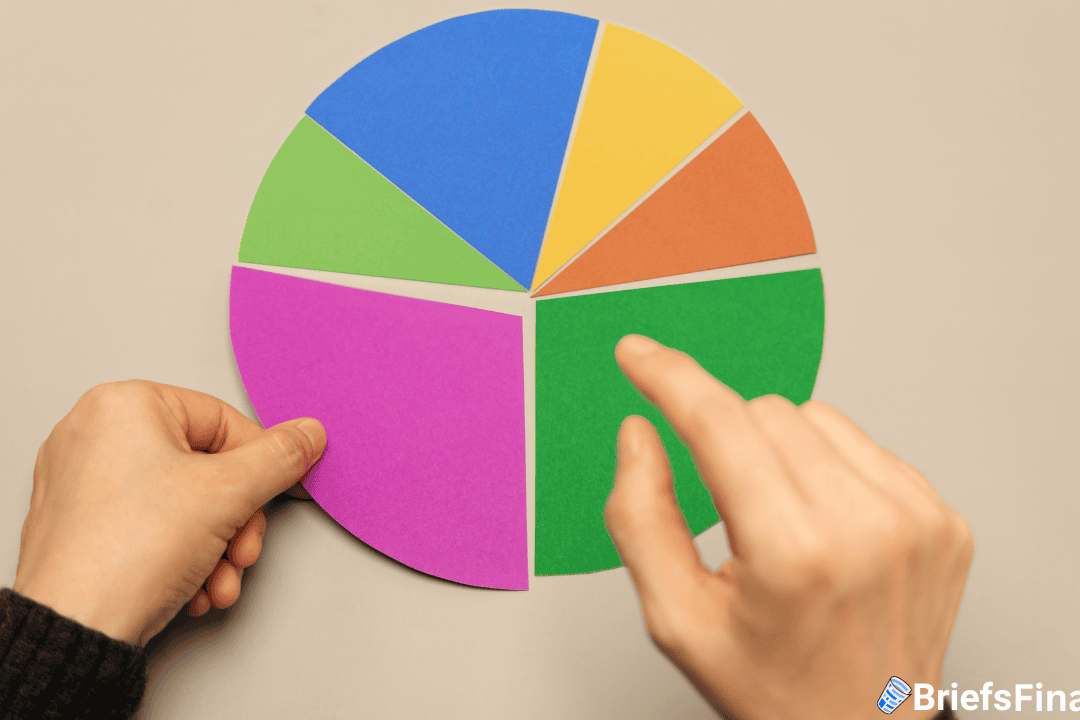
A market shift is a fundamental change that moves money from one place to another. Smart investors look for shifts because shifts create opportunities. (For a deeper look at how shifts create opportunities, see our piece on market disruptors and how investors spot them early.) There are five kinds. Shift
What It Means
Wall Street Shift
Big investors change where they put their money
Main Street Shift
Regular people change how they spend
Innovation Shift
New tech or IP changes how an industry works
Government Shift
Laws or regulations move money around
Broad Market Shift
Big macro changes affect everyone
Let's walk through each one.
Shift 1: How To Spot A Wall Street Shift
A Wall Street Shift happens when big institutions change where they invest. A clear example is renewable energy. Major Wall Street firms identified green energy as a growth area.
So they moved money in. Companies in renewable energy got more capital, which led to higher share prices.
Defense is another. Our piece on defense stocks and where smart money is moving breaks down how billions of dollars are flowing back into U.S. military rebuilds - and which companies are positioned to benefit. How to spot it: watch the press releases from big asset managers. Look at fund flows in industry ETFs. When billions are flowing in fast, something is happening.
Shift 2: How To Spot A Main Street Shift
A Main Street Shift is when regular people change how they spend money. Pet ownership is a great example. More people own pets than ever before, especially Millennials. And they are not just feeding them dry food and putting them in a doghouse.
They are buying premium food, vet visits, toys, and treating pets like family. That spending shift creates winners.
Pet food companies. Pet pharmacy companies. Vet chains. Gaming is another one. Half the planet plays games. People sit in football stadiums to watch League of Legends. Millions watch streamers daily. So gaming companies, plus the headphone and network gear companies that support them, all benefit. How to spot it: watch consumer spending data. Read about what people are buying more of. Notice trends in your own life and your friends' lives.
Shift 3: How To Spot An Innovation Shift
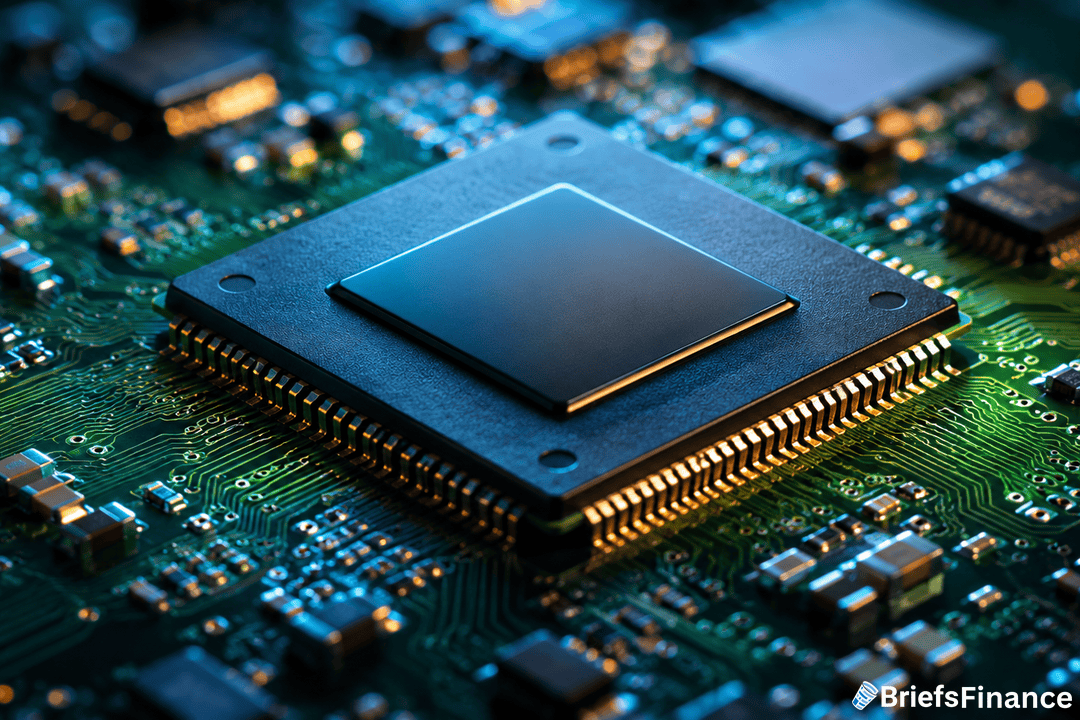
An Innovation Shift happens when new tech or intellectual property changes an industry. AI is the obvious one right now. Automation is reshaping how businesses work and saving them millions.
Companies that build the tools, like the chip makers and software firms, all benefit. The same wave is creating an AI power crisis behind the scenes - data centers need huge amounts of energy, and that is opening up its own opportunity. Another example is gene editing. We are getting close to being able to code DNA to prevent diseases.
Some investors are buying now in the hopes that these companies explode in share value years from now. Cybersecurity is another quiet innovation shift - as digital threats rise, businesses are pouring money into protection. How to spot it: watch what is being built.
Read patent filings. Pay attention when a company you have never heard of suddenly gets billions in funding.
Shift 4: How To Spot A Government Shift
A Government Shift is when laws or regulations move money around. Sports betting is a clean example. For years, betting was not legal in most states.
As more states legalized it, the industry exploded. Companies like FanDuel and DraftKings turned into giants. Tariffs are another. When tariffs jump, the cost of imported products goes up.
That hits some companies hard and helps domestic producers. Money has to go somewhere. When the U.S. paused tariffs on China for 90 days in 2025, the S&P 500 had one of its best days on record. A more recent example: the U.S. government taking direct stakes in rare earth mineral producers.
That is a Government Shift you can see in real time. How to spot it: read about new laws. Pay attention to court rulings. Track government spending bills.
Shift 5: How To Spot A Broad Market Shift
A Broad Market Shift is a macro-level change that hits the whole economy. The war between Russia and Ukraine is a recent example. Energy prices in Europe spiked. That moved spending into different types of energy and into companies that helped lower prices.
Recession fears are another. When the economy slows, smart money flows differently than during a bull market. Knowing how to invest during a recession is part of following smart money - they treat downturns as sales, not emergencies.
Crypto adoption is another. Government stance changes, tech advancements, and rising Bitcoin prices created a Broad Market Shift. That helped crypto ETFs, miners, stablecoin companies, and many more. How to spot it: watch interest rates, inflation, currency moves, and major world events. These set the stage for everything else.
How To Follow Smart Money: A Simple 4-Step Process
Once you know the five shifts, here is how to use them:
- Pick three big headlines this week. Anything important.
- Decide which shift each one represents. Sometimes it is more than one.
- List the industries each shift will impact. Some lose. Some win.
- Find a few public companies in each industry. Now you have research targets. Then dig in - our guide on when to buy a stock walks through what smart investors actually look for. And if you are not sure where to start in 2026, our piece on the best stocks to buy now gives a smarter way to think about it.
That is the same process the analysts at major firms use. You may not have a Bloomberg terminal. You can still spot the trend.
Honest Warnings About Trying To Follow Smart Money
You will not catch every shift. Nobody does, not even the pros. You will sometimes be wrong. Markets move fast. Information is incomplete. Companies fail. The biggest danger is emotional decision-making. Most retail investors blow themselves up by chasing what already moved.
Our piece on the psychology of market crashes covers why even smart investors panic - and how to build a process that stops you from doing the same thing. The goal is not to be perfect.
The goal is to build a system for scanning the world, seeing where money is moving, and positioning yourself before the crowd notices. If you can do that, you are way ahead of most retail investors. And you are following smart money the right way - not by copying their trades, but by thinking like they think.
How To Follow Smart Money: The Bottom Line
How to follow smart money is less about Twitter screenshots and more about a framework. Watch for Wall Street, Main Street, Innovation, Government, and Broad Market shifts. Find the companies positioned to benefit. Do your own research before you buy. That is the playbook. Now go use it.