Elon Musk wants to send every American a check big enough to buy a penthouse, but the math hits a wall before the conversation even starts. The U.S. is short millions of homes, so handing out cash without building more would push prices higher, not lower.
That's the gap between vision and supply that investors should care about.
What Musk Is Actually Proposing
Musk posted on X that the answer to AI-driven job loss is "universal high income," which would replace the basic income idea with bigger federal checks.
"Actually, AI/Robotics will mean everyone can have a penthouse if they want," he wrote in a follow-up.
His pitch landed during the biggest wave of tech layoffs since 2023, with Meta (META -1.07%) cutting 10% of its workforce to free up cash for AI and Snap (SNAP -1.82%) cutting about 1,000 jobs to save $500 million a year.
The Housing Math Doesn't Work
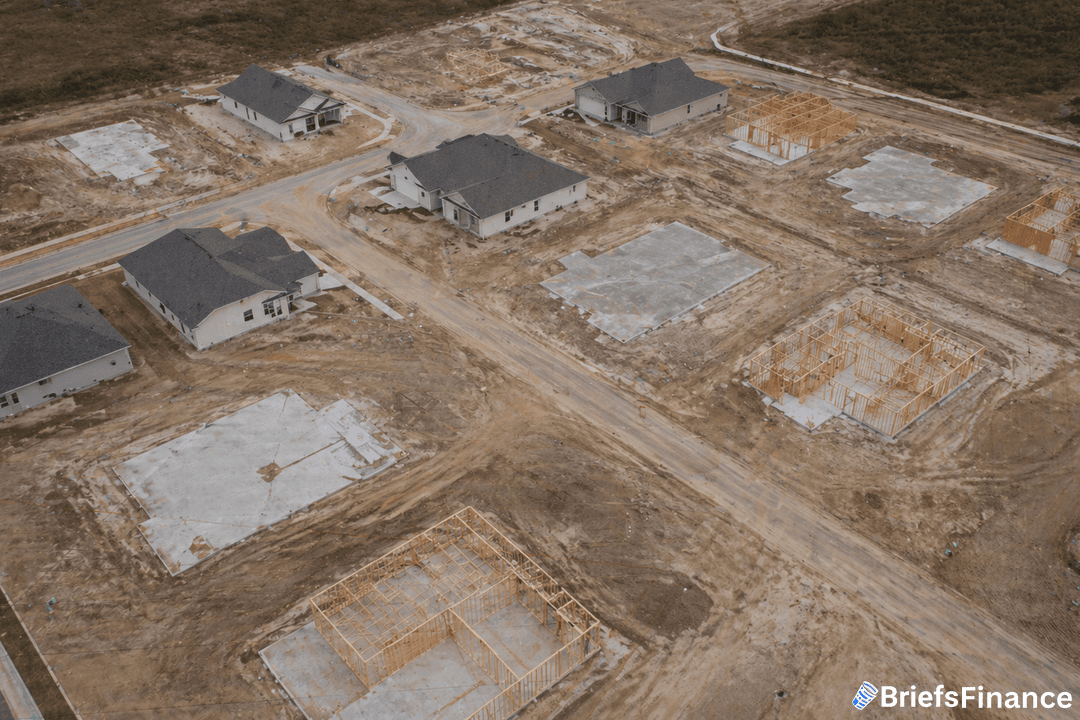
The American housing market is short anywhere from 4 million to 10 million homes, according to research from Realtor.com economists Hannah Jones and Danielle Hale.
The latest Housing Supply Gap Report says more than a decade of underbuilding has pushed homeownership out of reach for younger buyers. The gap got worse in 2025 because new households formed faster than new homes got built.
Drop universal high income on top of that, and the bidding war for the homes that do exist gets worse, not better.
The Inflation Question
Musk argues a UHI would not be inflationary because robots would produce so many goods that supply outruns the new money. Steve Hanke, an applied economics professor at Johns Hopkins, told Business Insider Musk's basic math holds up - if the government doesn't print new money to fund the checks.
Hanke pointed to history, noting that even during the Second Industrial Revolution, when technology was making things cheaper, inflation still showed up.
Housing is the obvious crack. Even with abundant goods elsewhere, if every citizen has high income to spend on a fixed number of homes, prices climb.
The Bigger Risk Right Now
There's a closer threat to housing than UHI - the loss of today's high-income tech buyer. The luxury home market is on track to top $338 billion by 2030, fueled by tech and professional service workers.
If AI replaces that paycheck, it pulls a leg out from under that market.
John Macke, research manager at John Burns Research and Consulting, says it's already happening in places like Austin and Denver. Job growth in Austin slowed to 0.8% year over year, down from a 3.8% historical rate, while Denver flatlined at 0%, down from 2.3%.
What To Watch
Musk hasn't said how big the checks would be or who would qualify. Investors with housing exposure should focus on the layoff data showing up in tech-heavy metros now, not the penthouse pitch.