You've decided you want to start investing.
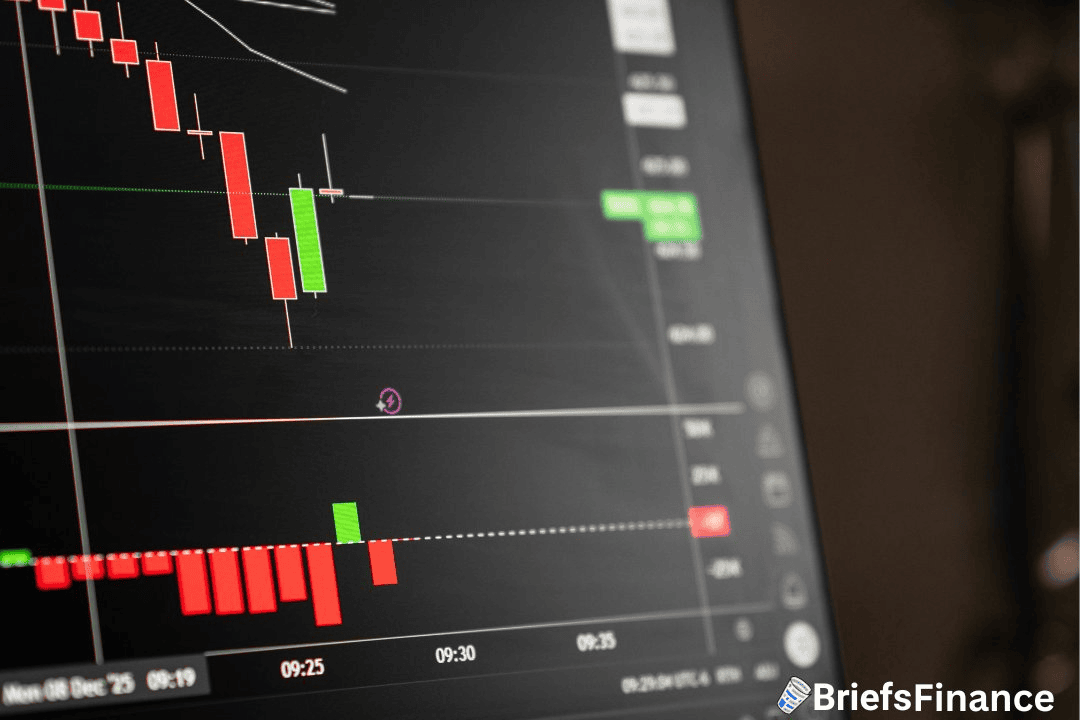
You open your phone, download an app, and suddenly you're staring at a screen full of ticker symbols, charts, and green and red numbers.
But before any of that happens, there's one thing standing between you and the stock market: a stock broker.
So what exactly is a stock broker? And do you even need one?
Let's break down what a stock broker is, if you actually need one and the difference between a broker and a brokerage.
But first: If you want to stay up to date with everything that's happening in the businesses and financial world, subscribe to our free daily newsletter, Market Briefs.
It takes seconds to sign up and minutes to read every day and will make you a smarter investor over night.
What Is a Stock Broker?
A stock broker is a licensed person or company that executes trades on your behalf in the stock market.
You can't just walk up to the New York Stock Exchange and start buying shares of Amazon. The stock market is a regulated marketplace - and you need a broker to access it.
Think of it like this:
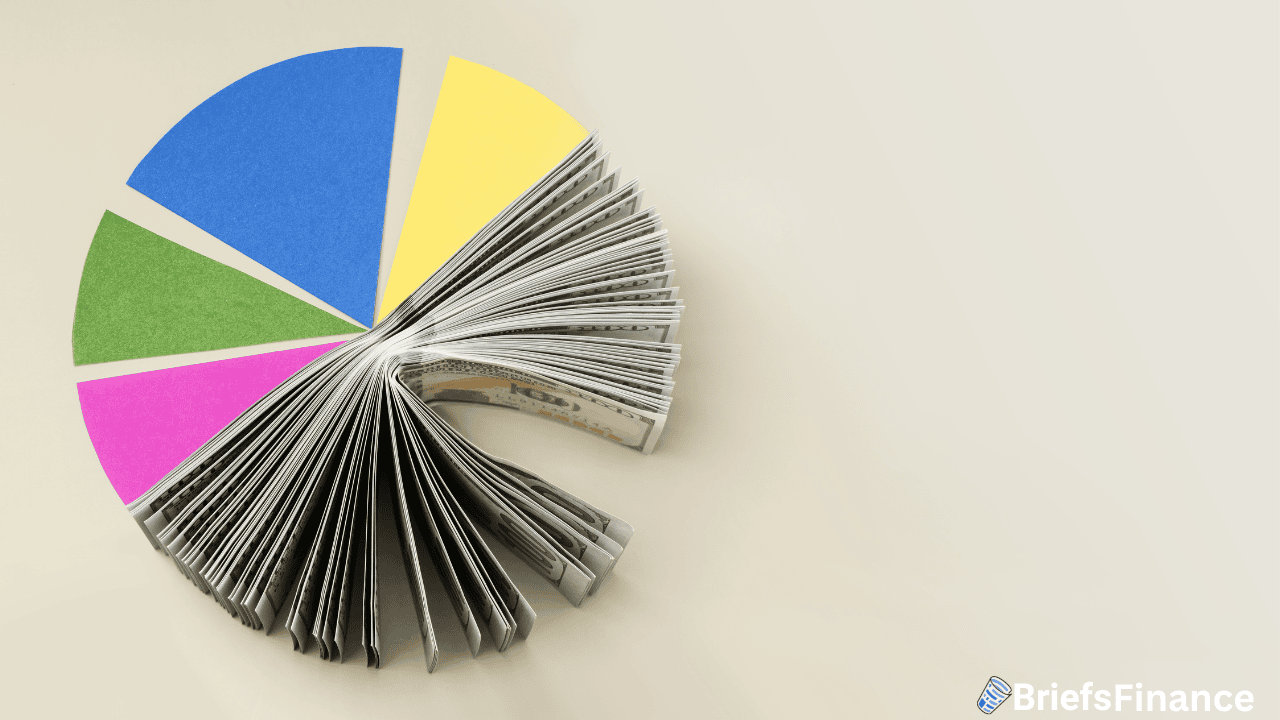
The stock market is a massive marketplace where businesses raise money and investors buy ownership in companies. When you buy one share of a company, you're buying one slice of that company's pie.
But to get that slice, you need someone to place the order for you. That's your broker.
What Does a Stock Broker Actually Do?
A stock broker helps you do three things:
- Buy investments - stocks, ETFs, bonds, and other securities
- Sell investments - when you're ready to take profits or cut losses
- Hold your investments - in a brokerage account that keeps track of everything you own
But modern brokers do a lot more than that.
Your broker also generates your tax documents. At the end of the year, they'll send you a Form 1099-B that shows all your buy and sell transactions.
That form goes to you and to the IRS - so don't skip it. (Here are 11 ways to legally pay less taxes as an investor.)
Some brokers let you set up automated investing. Cash gets pulled from your bank account on a schedule and invested for you - whether the market is up or down.
And if you're more advanced, your broker might let you borrow money to buy more stocks through something called margin trading - when your broker lends you funds on top of what you already have.
More on that later.
Stock Broker vs. Brokerage: What's the Difference?
These two terms get mixed up a lot.
The term "stock broker" used to mean a specific person. You'd call up your broker on the phone, tell them what you wanted to buy, and they'd place the trade.
They earned a commission every time.
That still exists, but it's not what most investors use today.
Most investors now use an online brokerage - a platform or app that lets you buy and sell investments yourself. Companies like Fidelity, Vanguard, and Charles Schwab are all brokerages.
When you hear someone say "open a brokerage account," they're talking about creating an investment account with one of these companies. That account is where your stocks, ETFs, and other investments live.
The simple version: a broker places your trades, a brokerage is the company, and a brokerage account is where your investments are held.
How to Pick the Right Brokerage
Not all brokerages are the same.
Some are built for passive investors - investors who want to put money into funds like the S&P 500 (a group of the 500 largest companies on the stock market) and let their money grow over time.
Some are built for active investors who want to research and pick individual companies. And some let you do both. (Not sure which style fits you? Here's a breakdown of trading vs. investing.)
Here's what to look at when choosing a brokerage:
- Fees - What does it cost to trade? Many online brokerages now offer commission-free trading, but always check for hidden fees like account maintenance charges or expense ratios - the annual fee a fund charges you just to hold it.
- Convenience - Can you set up automatic investments? Is the app easy to use? Can you find your tax documents without a headache?
- Reputation - How long has the brokerage been around? Do other investors trust it?
- Investment options - Does it offer the types of investments you want? Stocks, ETFs, bonds, mutual funds?
- Account types - Can you open a taxable brokerage account and a retirement account like an IRA or 401(k)?
If you're just getting started, look for a brokerage that makes passive investing easy. You want a platform where you can set up automatic contributions, invest in broad market funds, and not worry about it.
What You're Actually Buying Through a Broker
When you buy a stock through your broker, you're buying a share of ownership in a public company.
One stock equals one share of ownership. As the company makes more money and does better, the share price can go up - and your investment grows with it.
You also get to vote in shareholder meetings. The more shares you own, the more say you have.
But there's a catch. You only own the company on paper.
Owning shares of McDonald's doesn't mean you can walk into a location and tell the employees what to do. You can't decide that the ice cream machine works today. That's not how it works.
You're a part owner - but the company's management runs the day-to-day operations.
Do You Need a Traditional Stock Broker?
For most investors, the answer is no. But of course, it depends, so use your own best judge for you situation.
Online platforms have replaced the old-school model of calling a broker and paying commissions per trade. They cost less and give you more control.
If you just want to invest consistently - say $100 a month into the S&P 500 - you don't need a person. You need a good brokerage app.
Historically, investing just $100 a month into the S&P 500 from age 21 to 65 could make you a millionaire.
You don't need to pick the best stock. You just invest into a fund that gives you exposure to the 500 largest companies in the market.
If you're dealing with a more complex portfolio, significant capital gains, or tax strategy questions, working with a licensed financial advisor can save you more than it costs.
What Else Happens Through Your Broker
Your brokerage account does more than just hold your stocks. Here are a few features most brokerages offer:
- Dividend payments - If you own stocks that pay dividends - a portion of a company's profits paid to shareholders - that cash goes into your brokerage account. Some brokerages let you automatically reinvest those dividends.
- Tax-loss harvesting - A strategy where you sell investments at a loss to offset gains from your winners. Your broker tracks all of this and reports it on your 1099-B.
- Margin trading - Your broker can lend you money to buy more stocks. If you have $10,000, a margin account might let you buy $20,000 worth of stock. But leverage amplifies gains and losses. Most long-term investors should avoid margin.
- Short selling - Borrowing shares from your broker, selling them, and hoping to buy them back at a lower price. Your losses are theoretically unlimited. Most investors should never short stocks.
The Bottom Line On Stock Brokers
A stock broker is the gateway between you and the stock market.
For most new investors, that means opening an account with an online brokerage, funding it, and starting to invest. It doesn't need to be complicated.
The three factors that determine how wealthy you'll become as an investor are time, dollars, and return.
- Time is how long your money has to grow.
- Dollars is how much you invest.
- Return is how fast your money compounds.
Your broker helps with the dollars and the return. But time? That's on you. And the longer you wait to open that brokerage account, the more time you're leaving on the table.
Don't forget - subscribe to our free daily newsletter Market Briefs to stay the top finacnial news delivered to you every morning.