Global oil inventory numbers look okay on paper, but Jeff Currie says they're lying to you. The veteran strategist, now Carlyle's chief strategy officer of energy pathways and a former Goldman Sachs head of commodities research, said Monday that Asia has already burned through the oil it can actually use - and Europe and the U.S. are next on the clock.
What "tank bottoms" actually means
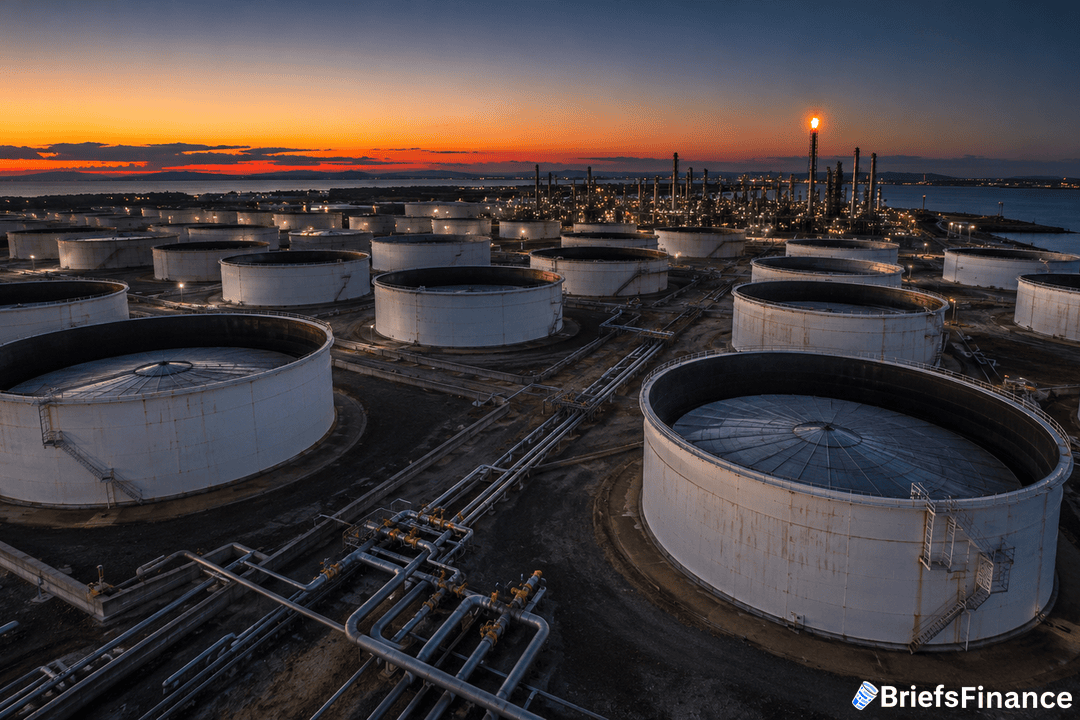
Most of the oil sitting in global storage isn't really for sale, since it keeps pipelines flowing and storage systems running safely. Take that base away, and what's left for the market is much smaller than headline numbers suggest.
Currie calls that smaller pile "minimum operating levels," which is like the bottom inch of gas in a car's tank - technically there, but you can't really use it.
Asia is at that line right now, with Singapore's jet fuel prices cooling but diesel climbing past jet fuel. Currie's read: the squeeze didn't go away, it just moved.
Every weekday morning, Market Briefs translates moves like this into what they mean for your portfolio - in five minutes, with a free investing masterclass when you join.
Europe and the U.S. are next
The U.S. has been draining its Strategic Petroleum Reserve, the federal emergency oil stockpile, and shipping much of it to Europe. That's why Europe still looks comfortable, but Currie says it won't last.
"Give it about another month" for Europe, he said, and "look for July being a problem in the U.S." That tracks with the IEA's recent warning the market could hit a red zone by July or August.
The math is brutal, since the U.S. is exporting the oil keeping Europe afloat - so when the reserve runs dry, both ends of that supply chain hit the wall at the same time.
Trump's leverage problem
The longer this drags on, the worse Washington's negotiating position gets. Currie said every day that passes, Iran's leverage grows because inventories keep falling.
"Their negotiating position at this point has never been stronger in the last 47 years," he said.
Currie also dismissed cutting the federal gas tax, one Washington idea floating around, since the only real fix is more physical oil.
The pressure is showing up in shipping, too, with tanker rates spiking and the Iran war pushing one key Strait of Hormuz route to $600,000 a day before heading to a London court.
What to Watch
Reopening the Strait of Hormuz is the only durable solution. Trump told his team this weekend not to rush a deal with Iran, but Currie's read is that confidence could cost him.
The clock is running, and it's running through summer driving season.
Join 350,000+ investors getting the daily Market Briefs - five minutes a day, and a 45-minute investing course free when you sign up.