India has the fastest growing big economy on the planet. Its central bank is now flagging a risk it can't fix.
The Iran war is the reason.
The Reserve Bank of India put out its monthly State of the Economy report on Friday. The tone was careful.
Local demand is still doing the heavy lifting, the bank said. But the near-term outlook is now clouded by war costs.
Inflation is still inside the bank's 2 to 6 percent target band. That gives Governor Sanjay Malhotra room to wait.
The catch: Energy and shipping costs are climbing. The RBI said the bank must watch how those costs flow into local prices.
Every morning, Market Briefs breaks down what global shifts like this mean for your money - five minutes a day, plus a free investing masterclass when you join.
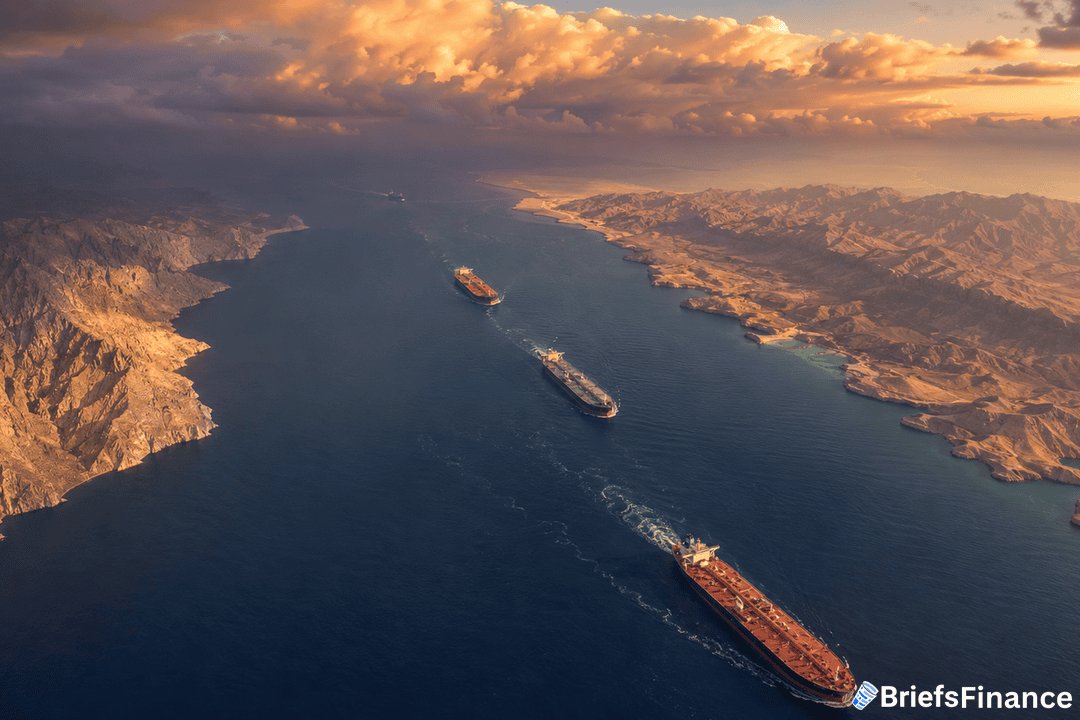
One-fifth of the world's oil moves through the Strait of Hormuz. That chokepoint has been hit since the war started in late February. India relies on crude that moves through that route.
When the route gets squeezed, two things happen. Fuel gets more costly at the pump.
And anything moved across the country gets pricier too. Food, fuel, and building goods all ride the same supply chain.
Private sector growth is also slowing. India's flash HSBC PMI in March fell to the lowest point since October 2022.
PMI is a survey of how busy firms are. A lower reading means firms are taking on less work.
Malhotra warned in April that the war was lifting risks to both prices and growth. The bank kept rates at 5.25 percent that month.
It also cut its GDP outlook for April to June to 6.8 percent. The July to September outlook dropped to 6.7 percent.
Asia's third largest economy is not alone in this bind. Brent crude is up 44 percent since the war started. Gas in the U.S. has crossed 4 dollars a gallon.
A second wave of risk is showing up too. The IEA said this month that the Iran war could keep gas markets tight for two years.
Fertilizer is made from gas, and India is one of the world's biggest food growers. Higher fertilizer costs push food prices up across the country.
There is one buffer in play for Mumbai. The RBI is set to send a record surplus to the government this year, close to 3 trillion rupees, or about 31 billion dollars.
Think of it like a yearly check the central bank sends to the budget. This one is the biggest ever.
That gives the bank extra room if oil markets and fuel costs keep biting.
The Indian rupee is also one to watch. A weaker rupee makes oil more costly, since crude trades in dollars.
The next price print and the RBI's June meeting will show how calm Mumbai really is.
If you want this kind of read on global markets every weekday morning, join 350,000+ investors reading Market Briefs - you also get a free 45-minute investing course thrown in.