
Between January and October 2022, markets were in turmoil because of inflation and continued fall out from the global pandemic.
During that time, markets had fallen roughly 20% from their all time high.
This is what’s known as a bear market - and on average, stock markets in the U.S. experience one every 3-5 years or so.
Since then, markets have largely been in a bull market - which is the opposite of a bear market.
Why does this matter? Bear and bull markets might sound like silly stock market terms, but they actually create different opportunities investors will want to take note of.
Let’s break down what a bull market is, what a bear market is, the key differences, and why all of this matters for investors.
But first: Whether we’re in a bear market or bull market, there’s always potential opportunities.
We’re researching new stocks and other potential investment opportunities every week in Market Briefs Pro.
Subscribe to Market Briefs Pro here.
What Is a Bull Market?
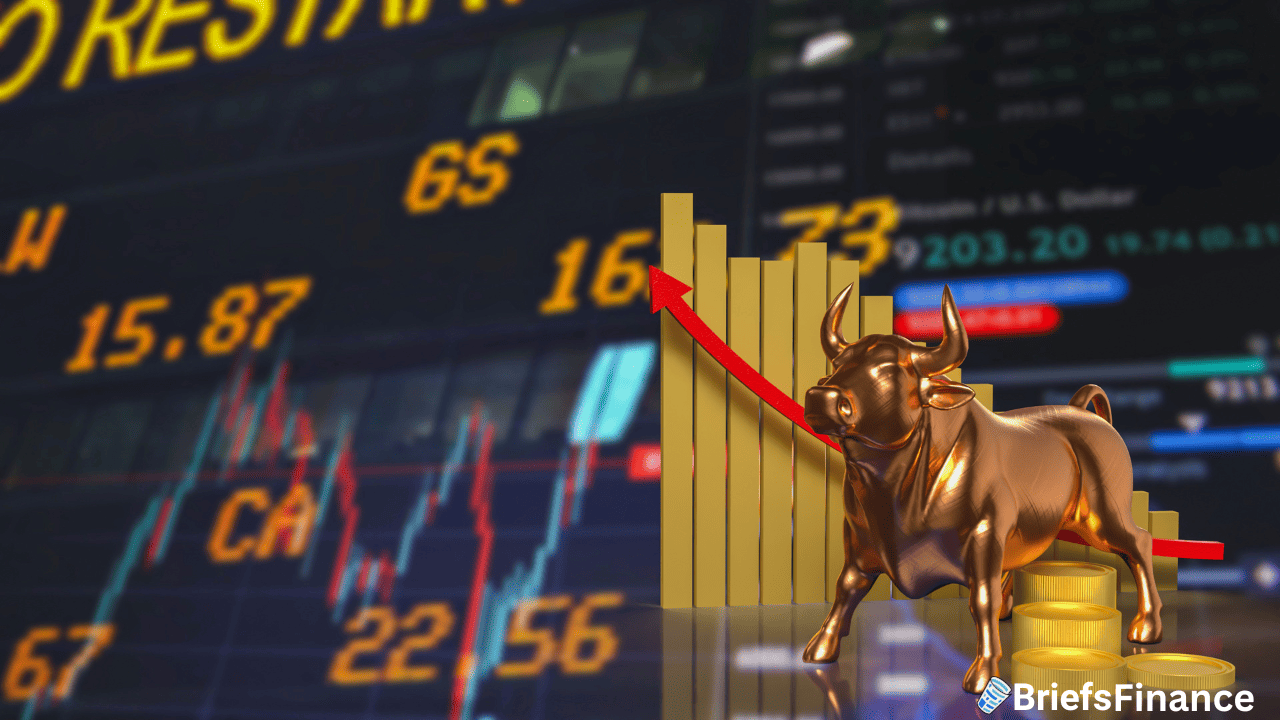
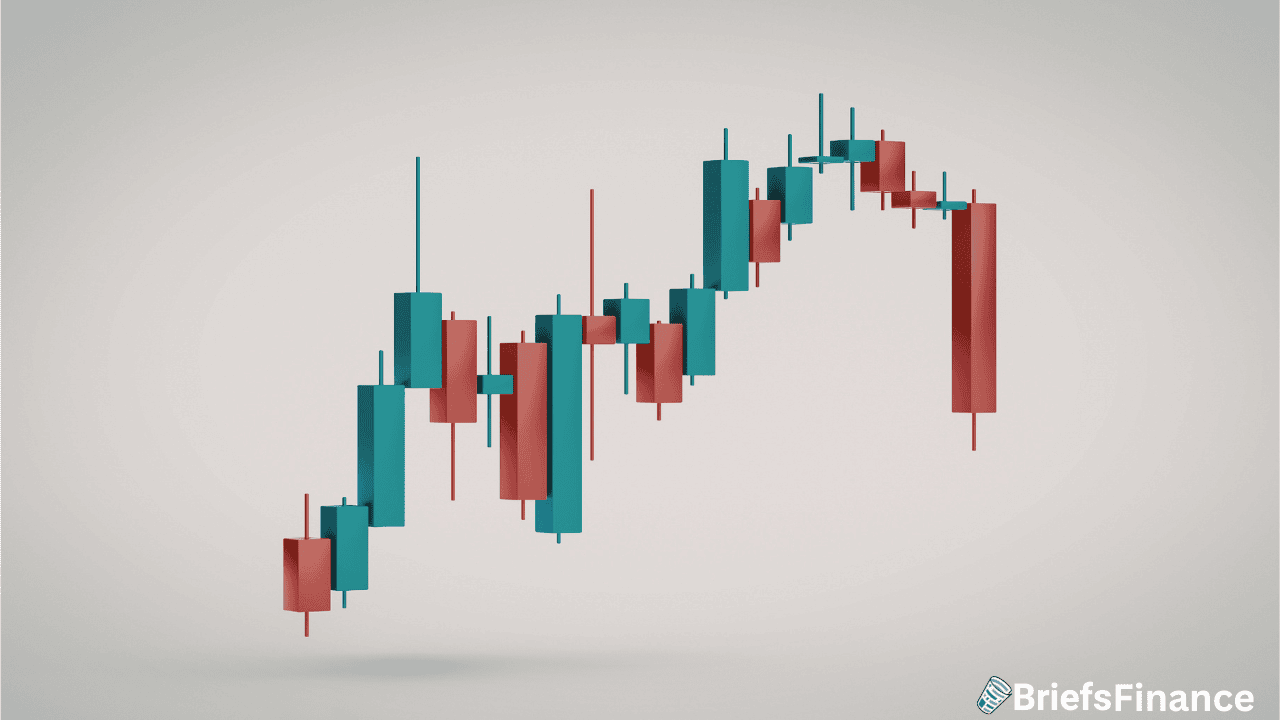
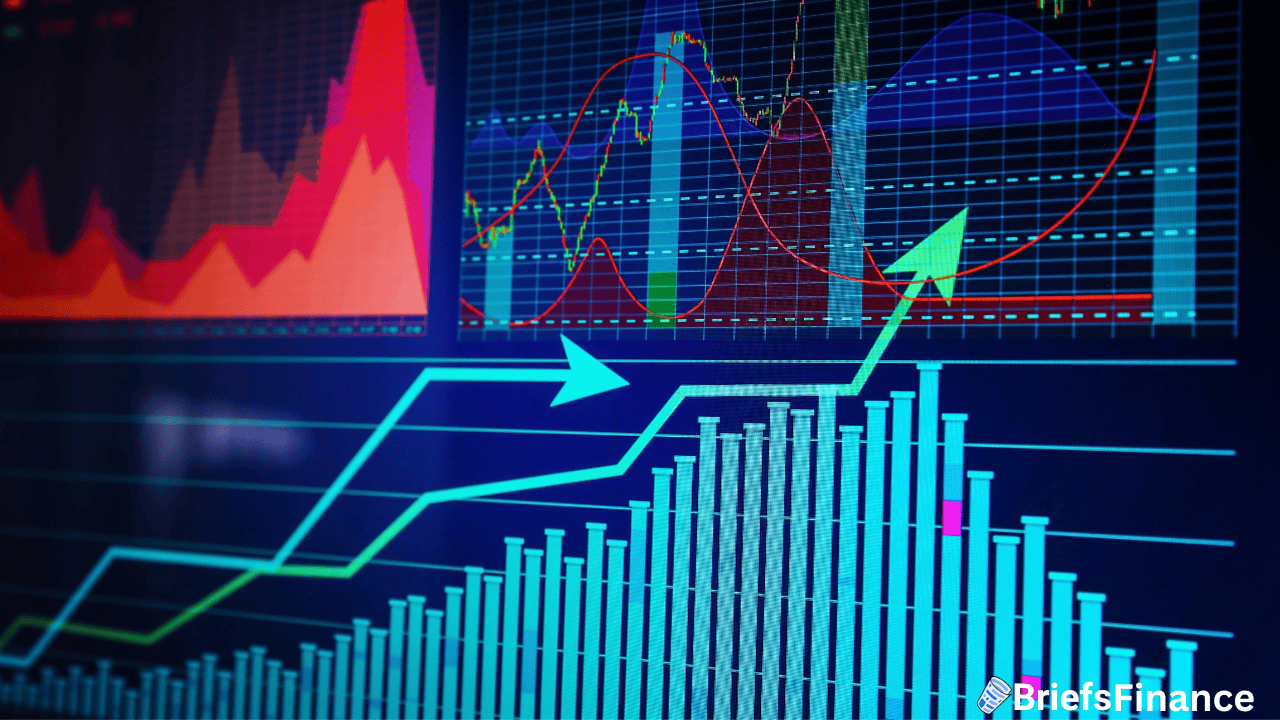
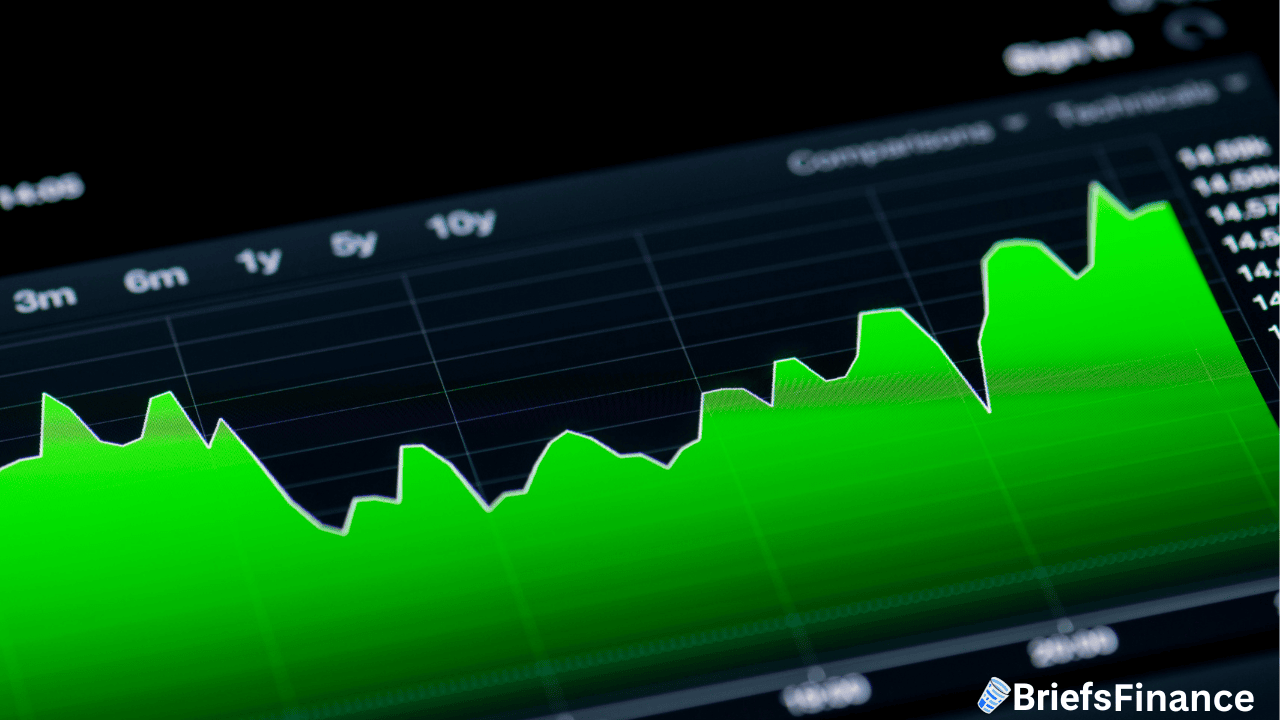
A bull market is when stock prices are rising or expected to rise.
Here's the technical definition: When the market climbs 20% or more from a recent low, that's officially a bull market.
But the number isn't the full story.
Bull markets are about momentum and confidence.
Investors feel optimistic. Companies are growing. People are putting money into stocks because they believe prices will keep going up.
Since 1950, the S&P 500 has spent more time in bull markets than bear markets. History shows that markets trend upward over time. This is why long-term investors tend to win.
What Is a Bear Market?
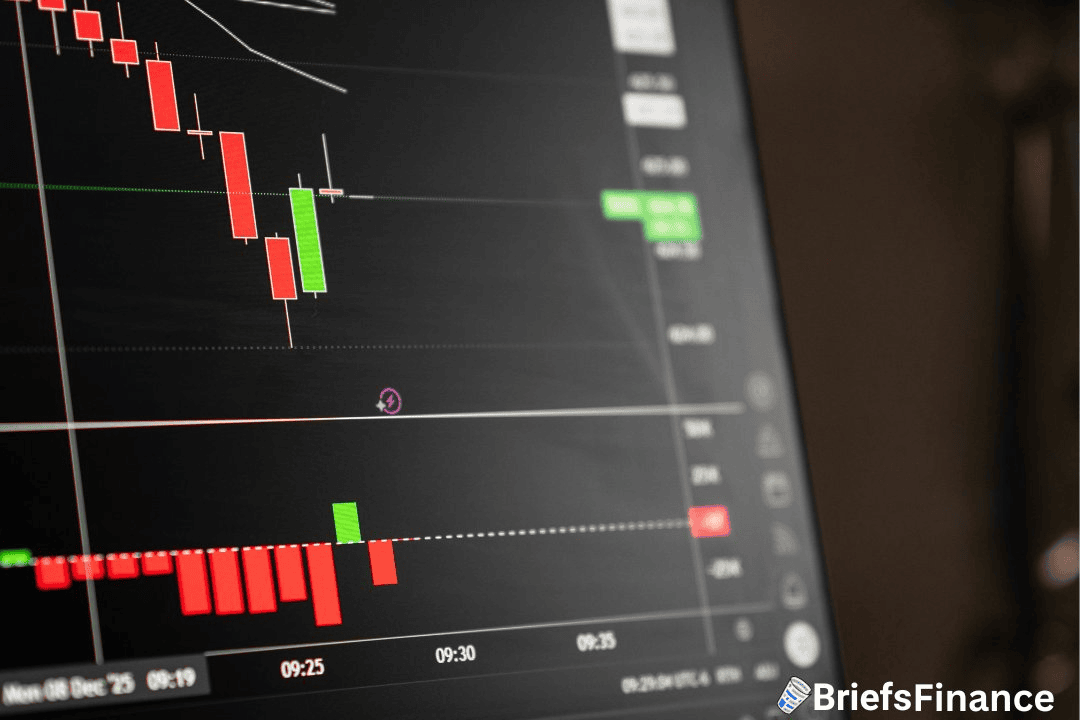
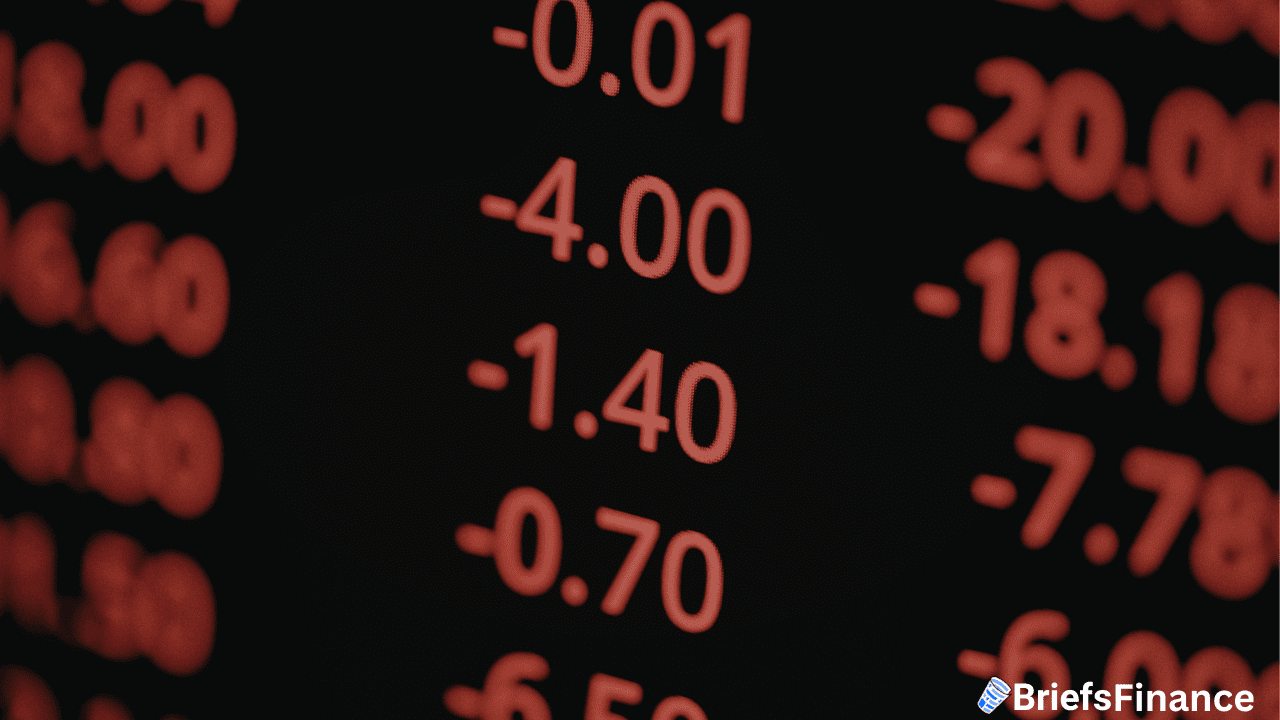
A bear market is the opposite. It's when stock prices drop 20% or more from a recent high.
Bear markets are about fear and pessimism.
Investors are selling. Prices are falling. People are worried about recession, unemployment, or economic crisis.
Here's what you need to know: Bear markets happen. Since 1950, the S&P 500 has experienced a bear market about once every 3-5 years on average.
Every single time, the market eventually recovered and went on to make new highs.
The Key Differences
The difference between bull and bear markets isn't just about whether prices go up or down. It's about what's driving those movements.
Bull markets typically feature:
- Rising stock prices across most sectors.
- Investor optimism and confidence.
- Strong economic growth.
- Low unemployment.
- Companies reporting solid earnings.
Bear markets typically feature:
- Falling stock prices of 20% or more.
- Investor fear and uncertainty.
- Economic slowdown or recession fears.
- Rising unemployment concerns.
- Companies missing earnings expectations.
But here's what matters more than the definitions: Understanding that both are temporary.
What Happens During Bull And Bear Markets
Let's look at a real example. In April 2025, the market saw a massive dip when new U.S. tariff policies were announced.
The Nasdaq - heavy with technology companies - entered bear market territory.
Were these companies suddenly worth 20% less? Did Apple's products become 20% worse overnight? Did Microsoft's cloud business fall apart?
No. But the market was pricing in uncertainty.
This is the pattern throughout history.
Markets drop during bear markets. Investors panic and sell. Then markets recover. Those who understood what was happening and had cash ready made money.
March 2020 during COVID. December 2018 during rate hike fears. August 2011 during the debt ceiling crisis. September 2008 during the financial crisis.
Every time, people panic.
Every time, they sell at the worst possible moment.
Every time, they miss the recovery.
What Corrections and Dips Mean
Not every market drop is a bear market. There are smaller declines too:
A dip is typically a 5-10% decline. These happen regularly and are normal market behavior.
A correction is when the market drops 10-20% from its recent high. Since 1950, the S&P 500 has experienced a 10% correction about once per year on average.
These aren't bear markets yet. They're smaller movements that happen as markets naturally fluctuate.
Understanding these distinctions helps you avoid panicking when you see red in your portfolio. A 7% drop isn't a crisis. It's Tuesday.
How Smart Investors Respond
Here's the fundamental difference between traders and investors:
Traders react to price movements. They see red, they sell. They see green, they buy. Most traders fail because they let emotions drive their decisions.
Investors understand what's actually happening. They see red and ask "why?" They understand whether it's temporary market panic or a fundamental problem with the company.
When you see your portfolio drop 15% in a day, your first instinct will be panic. That's normal. That's human nature.
Our brains are wired to avoid losses more strongly than we're attracted to gains.
But as an investor, you pause. You take a breath. You look at what's actually changing.
Did the company's business fundamentals change? Or is this temporary market volatility driven by fear and uncertainty?
If it's the latter - and it usually is during corrections and bear markets - then you don't panic. You might even see it as an opportunity.
Why This Matters for Your Money
Understanding bull and bear markets isn't about predicting the future. It's about being prepared for what will inevitably happen.
The market will drop. That's guaranteed. Bear markets will occur. Corrections will happen. Your portfolio will show red numbers.
When that happens, you need to know:
- Is this a normal correction or something more serious?
- Are my investments fundamentally sound?
- Do I have cash reserves ready to buy when prices are lower?
- What's my strategy for handling this?
Investors who have these answers before the market drops make better decisions. They execute their plan instead of reacting emotionally.
Bull Vs Bull Market: The Takeaway
Bull and bear markets are part of a larger market cycle that constantly rotates over time.
The investors who build real wealth over decades understand that both are temporary. They don't try to time the market perfectly. They don't panic when prices drop.
Your job isn't to predict whether we're entering a bull or bear market next month.
Your job is to understand what's happening when it does, stay disciplined with your strategy, and make rational decisions based on fundamentals instead of fear.
Because the difference between investors who panic during bear markets and those who stay the course? That difference is measured in decades of compounding returns.
But how do you create a strategy during bull and bear markets? Our analysts on Market Briefs Pro are aiming to find potential stock market opportunities whether the market is up, down, or sideways.
You can learn more and subscribe to Market Briefs Pro by clicking here.