Gold and silver hit new record highs in 2026 - rising on AI fears, market volatility, and geopolitical issues in Ukraine, Iran, and Venezuela.
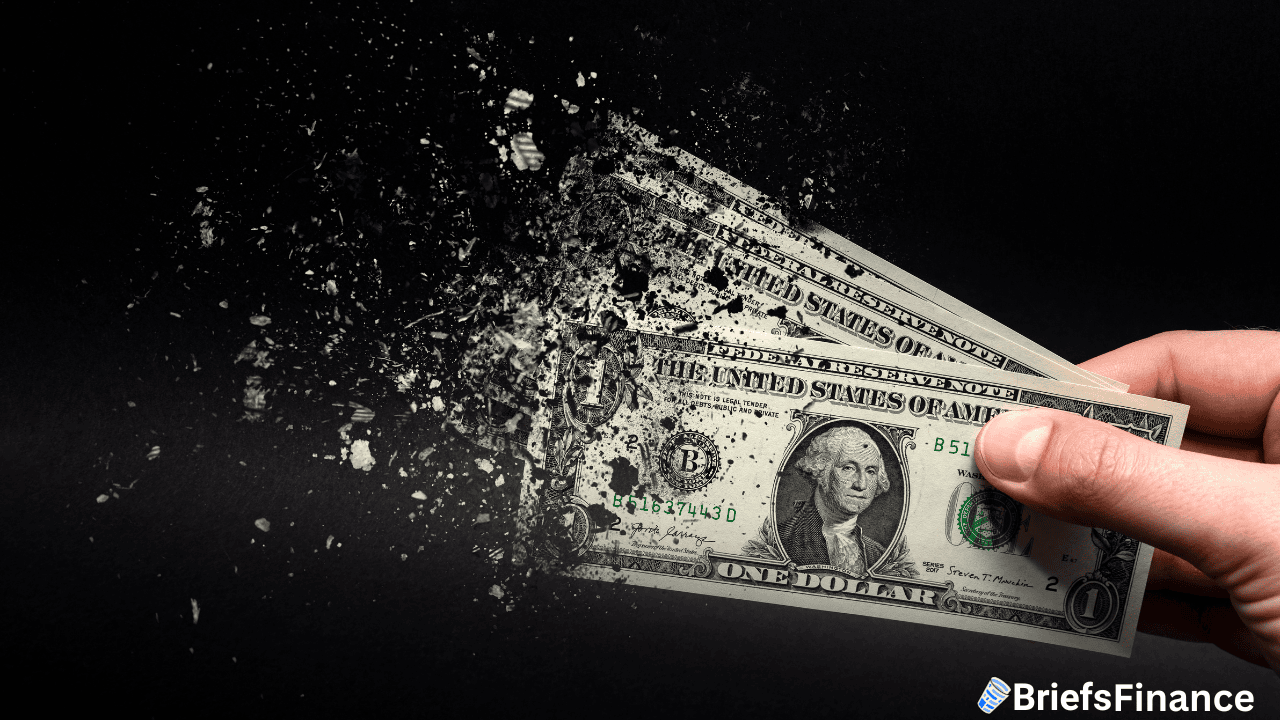
Meanwhile, over the last year, the U.S. dollar has dropped in value - it had its worst six month performance in the first half of 2025 in 50 years.
Why does it matter? The dollar is still the world's reserve currency.
But that kind of drop makes banks and institutions nervous.
Volatility - even on an upswing - is not something major financial players want in their holdings.
In times of uncertainty and volatility, many investors turn to gold.
And that’s not just a recent thing - this phenomenon has happened throughout history.
That’s because many investors believe that gold has intrinsic value - it takes time, money, and resources to mine and store.
Some investors buy it because they feel it holds its value better than paper money - which is part of the reason why the VanEck Junior Gold Miners ETF (GDXJ) has gone up in 2026.
But there are other gold ETFs out there - all serve a different purpose and present a unique potential opportunity to investors.
Let’s break down a few gold etfs that some investors are watching right now - what they are, what they track, and the risks investors should keep in mind.
Gold setting a record high is a prime example of a market shift - where spending moves from when investment to another.
Watch or listen to this free podcast where our Head of Investment Research and our CEO Jaspreet Singh break down their formula for identifying market shifts and potential opportunities.
The Gold Market Shift Happening Now
When most people hear "gold is at record highs," they think investors are buying gold.
But there are multiple ways investors can gain exposure to gold - and one way savvy investors are moving right now
Gold mining companies have been outperforming gold itself.
When gold prices rise, mining companies make more money per ounce sold.
But their costs? Mostly the same.
Equipment, labor, land - none of that goes up just because gold does.
So when gold goes up, a mining company's revenue can jump dramatically while their costs typically don’t budge.
Many gold mining companies have jumped as of March 5th 2026 as a result - Barrick and Kinross gold are among some of the stocks that have seen shares rise overall.
The Numbers Back It Up
The 2026 YTD performance data tells the whole story at a glance.
*Note: Numbers as of March 6th, 2026
| Asset | 2026 YTD Return |
| Gold (spot price) | +18% |
| RING (iShares MSCI Gold Miners ETF) | +18.41% |
| SGDM (Sprott Gold Miners ETF) | +19.12% |
| GDX (VanEck Gold Miners ETF) | +16.74% |
| GDXJ (VanEck Junior Gold Miners ETF) | +19.68% |
Most of these gold etfs are either inline or outpacing gold so far this year, even with volatility hitting equity markets.
What Is GDXJ Stock, Exactly?
GDXJ is the VanEck Junior Gold Miners ETF. It trades on the NYSE under the ticker GDXJ.
Unlike ETFs that focus on the industry's largest players, GDXJ targets small-cap and mid-cap gold mining companies.
These are the up-and-comers. The companies with more room to grow - and more to gain from a sustained gold boom.
The logic behind investing in juniors is straightforward: smaller companies have more upside when the tide rises.
They can use increased gold revenues to scale operations, expand mines, and improve their market position in ways that the giants already can't.
The trade-off? More volatility. Junior miners typically swing harder in both directions.
But when gold is in a bull market, meaning it's growing - that volatility can sometimes create opportunities.
Why Is Gold Actually Going Up?
To understand GDXJ stock, you need to understand what's driving gold.
It comes down to one thing: institutional demand.
When major world economies show instability - dollar weakness, geopolitical tension, inflation pressure - institutions reach for gold as a store of value.
It's been the go-to hedge for centuries. And many investors are turning to gold right now like they have in the past.
The more institutions buy, the higher gold goes. The higher gold goes, the better mining companies typically perform in the long term.
The better mining companies perform, the more interest flows into mining ETFs like GDXJ.
The Wall Street Shift Behind the Trend
The data is clear:
- Institutions are aggressively accumulating gold.
- Gold prices are near record highs.
- Mining companies are seeing earnings growth that far outpaces the underlying commodity.
- Gold mining ETFs outperformed the S&P 500 by a significant margin in 2025.
Economists around the world are projecting the gold boom to continue at least through 2026. Some industry experts see it running through 2028 and beyond.
A Quick Look at the ETF Landscape
If you're researching the gold mining space, there are a few ETFs worth understanding - each with a slightly different approach.
RING (iShares MSCI Gold Miners ETF) is one of the most straightforward options. It tracks the MSCI Gold Miners Index, giving investors global exposure across the sector at a low cost.
SGDM (Sprott Gold Miners ETF) takes a different approach than most.
While many gold mining ETFs weigh their holdings by market cap, SGDM weights companies based on financial fundamentals like revenue growth.
That distinction matters when you're trying to find the miners actually performing - not just the biggest ones.
GDXJ (VanEck Junior Gold Miners ETF) is the higher-risk, higher-potential play.
It leans into smaller and mid-size miners.
These companies have more room to grow during a gold bull run, but they also carry more risk if gold reverses.
All three are up significantly in 2025. But they're not the same product - and the differences matter depending on your risk tolerance and goals.
The Risks About Gold & ETFs Investors Should Consider
Not everything that glitters is a sure thing.
Gold mining is a leveraged play on gold prices - that leverage works both ways.
If gold enters a bear market, mining stocks and ETFs will likely fall harder than gold itself.
There are also structural risks specific to the mining industry.
Permitting and licensing issues are a persistent challenge.
Industry experts note that regulatory bureaucracy remains one of the biggest headwinds mining companies face.
On top of that, ore grades have been declining globally since the 1980s - meaning miners have to work harder for every ounce they pull out of the ground.
There's also a broader trend toward onshoring mineral production, both in the U.S. and abroad. If the industry becomes less globalized, some of these multinational mining companies may face significant restructuring costs.
None of these risks make the opportunity disappear.
But they're worth understanding before you do your own due diligence.
The Bottom Line On Gold Mining ETFs
Gold has been around for hundreds of years as a medium of exchange.
Investors flee to it when volatility begins - but as instability becomes more of the norm, investors are buying more than they ever have before.
GDXJ stock is one expression of that trend.
It targets the junior miners - smaller companies that stand to gain the most from a sustained gold bull run, with the added volatility that comes with that territory.
Whether you're looking at individual mining companies or ETFs like GDXJ, RING, or SGDM, the macro backdrop is the same: institutional money is moving, gold demand is strong, and mining profits are amplified by every dollar gold moves higher.
Don’t miss it: Watch or listen to this free podcast with our CEO Jaspreet Singh and Head of Investment research as they break down how to identify more opportunities and market shifts.