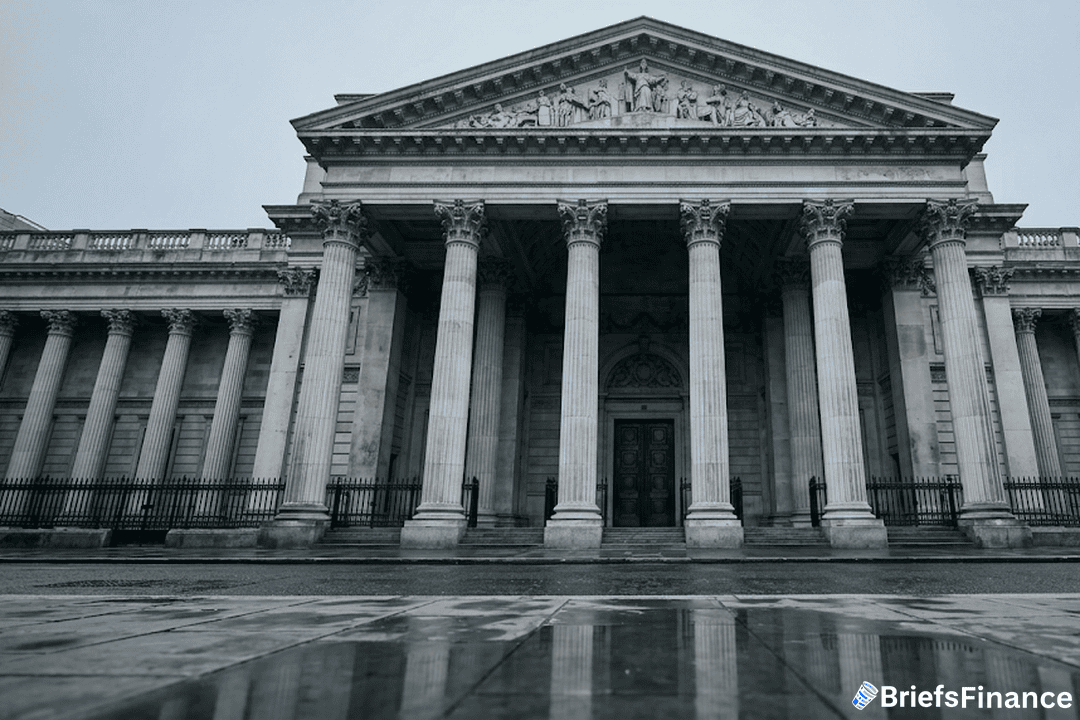
The Bank of England chose not to alter its main lending rate, which remains at 3.75%.
The decision was not a total shock. Inflation in the UK has been cooling off. In June, it hit 2.6% - the lowest reading in over a year. That gave the central bank room to hold steady.
But the vote was not unanimous. The Monetary Policy Committee split 6 to 3. Three members voted for a 25 basis point hike. That is more dissent than last time, when only two people voted for a hike.
A rate increase was supported by Catherine Mann, Huw Pill, and Megan Greene, each favoring a quarter-point rise.
Greene argued that taking preemptive action by raising Bank Rate could lessen the chance of second-round effects emerging.
Pill pointed to "profound uncertainty" surrounding the energy price outlook. He contended that raising Bank Rate at this time is suitable to send a clear and unequivocal message of the Bank's readiness and capacity to tackle upward risks to inflation that originates from events in the Gulf.
Get the market news that matters in a five-minute read with Market Briefs, our free daily newsletter
Every member concurred that the risks concerning energy price trajectories were tilted to the upside.
The Bank of England's decision comes as the UK economy faces a mixed picture. The committee's split vote reflects internal debate about whether to pause or continue tightening.
The three dissenting members, all concerned about energy-driven inflation, believe that a preemptive hike could prevent future price pressures. Meanwhile, the majority opted to hold, partly due to signs of economic slowing.
The central bank's next meeting is in September, and the outcome may depend on inflation data and geopolitical developments.
Why would three people vote to hike when inflation is already falling? Because they are watching energy prices.
Greene noted that another energy bottleneck in the Red Sea, alongside supply constraints for AI hardware, is currently pressuring markets.
Pill described "profound uncertainty" which is expected to be long-lasting and of uncertain length, rendering attempts to precisely adjust the economy through monetary policy risky.
Economist Felix Feather of Aberdeen called the decision "a slightly more hawkish Bank of England hold than expected." Feather noted that the rise in dissenting votes from two to three indicates that inflation worries are expanding among committee members, increasing the probability of rate increases if inflation fails to moderate further.
Simon Dangoor from Goldman Sachs Asset Management stated that the central bank prefers to wait for now, but a sustained shock in the Middle East could alter the outlook, keeping a September meeting on the table.
The British pound rose 0.08% versus the U.S. dollar to $1.3376 after the announcement, indicating that the market had already anticipated the result.
Join Market Briefs, our free daily newsletter, for a quick daily rundown of the markets