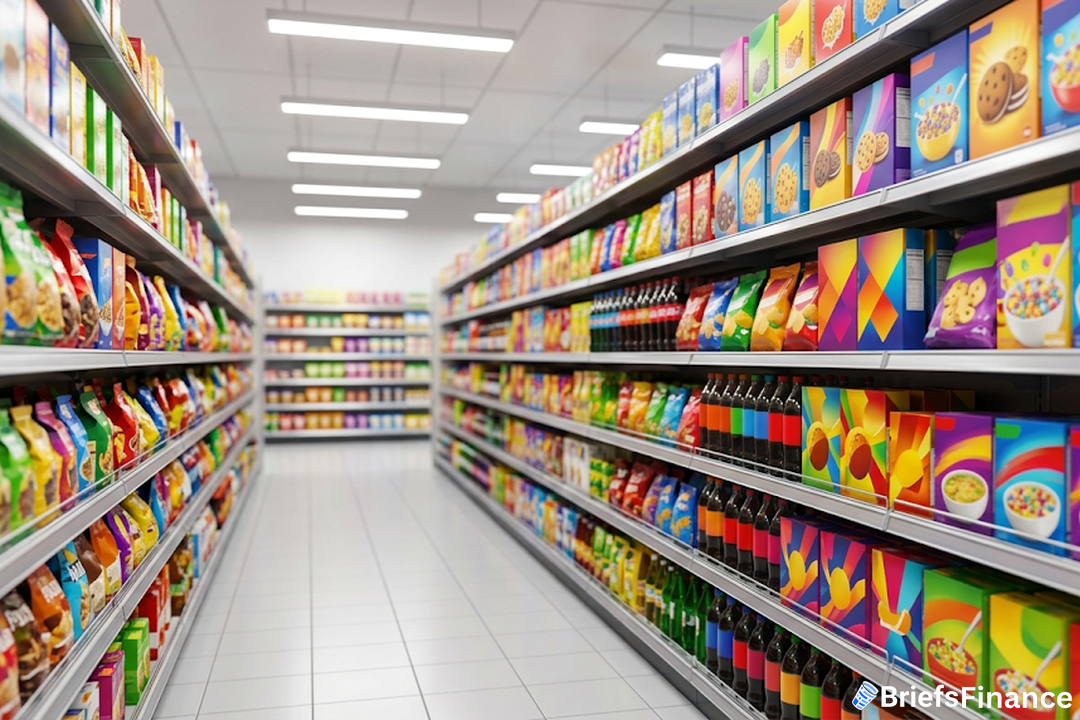
What counts as ultra-processed food? That question sounds easy, but the answer is shaping up to be a political battle.
Food company CEOs and trade groups have spent the last several weeks phoning and writing to the White House, according to people with knowledge of the talks. Their message? Slow down.
The concern is real money. For Kraft Heinz, Mondelez, Conagra, General Mills, and Campbell's, the share of ultra-processed foods in US retail sales is at least 77%.
The administration's plan is to put the definition in a white paper, not a formal rule, according to a regulatory notice. It would be the federal government's first attempt at defining the category.
The definition is expected to target two things: "cosmetic" ingredients that change a food's appearance, and ingredients not typical of home cooking. Foods that meet the FDA's existing "healthy" criteria would be exempt, which could keep certain yogurts and whole-grain breads out of the ultra-processed category.
Get the free Always Be Buying eBook and learn the simple system for building wealth on any income
During a Monday call, Acting FDA Commissioner Kyle Diamantas said the proposed definition has been formally submitted by the administration for final clearance. He said it aims to create "a stronger foundation for future federal nutrition research" and that more details will come "at a future time."
But the White House budget office has not approved the white paper yet, so many in the industry are unsure when it will actually drop.
The pushback is not happening in a vacuum. Packaged-food giants have long known that a federal definition could influence not just labels but also school lunch standards, dietary guidelines, and federal nutrition programs. These numbers help explain why the industry is so focused on this obscure paperwork: a strict definition could put a large share of their portfolios on the wrong side of the government's guidance.
The stakes here go beyond corporate profits. Senior health officials say these mostly packaged goods are making Americans sick, but the government has never officially established what counts as ultra-processed.
For children, the share of calories from ultra-processed foods is about 62%. That is a massive share of the national diet, and it explains why the food industry is paying such close attention.
An industry official said executives have been voicing concerns for weeks, warning that the definition could make processed food pricier and affect federal nutrition programs. Those programs shape what millions of families eat every day.
The bottom line: The administration held an event on August 10, 2026, billed as celebrating two major food-policy announcements, but only one proposal aimed at new food ingredients was unveiled. The ultra-processed definition stayed in the background.
An HHS spokesperson said the policy "remains under interagency review and has not been finalized." An administration official told Bloomberg the effort remains on track and that the American people's interest is the only special interest guiding it.
For investors, the takeaway is simple. Food companies have a lot riding on how this definition lands. If it is strict, expect higher costs and legal fights.
If it is loose, the industry breathes easier. Either way, the food on your table and the stocks in your portfolio are both waiting on the same answer.
Download the free Always Be Buying eBook and start putting your money to work today