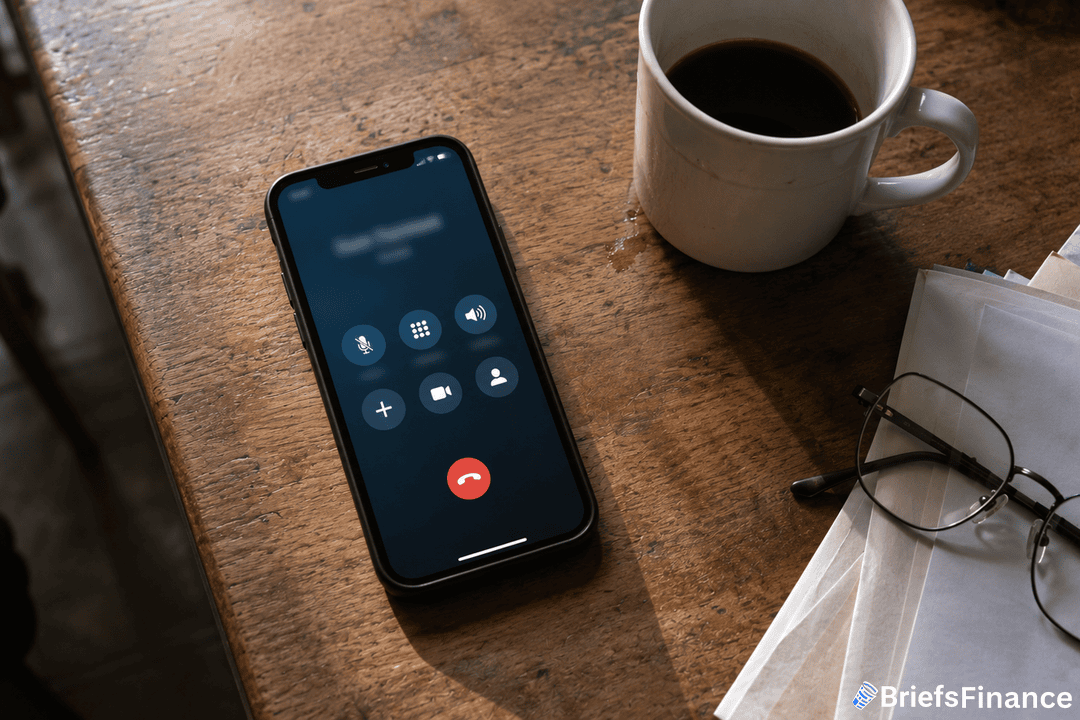
Capital One just filed a lawsuit against scammers it can't yet identify, and the legal theory isn't fraud - it's trademark infringement. That choice could change how big banks fight back.
The suit, filed Tuesday in U.S. District Court for the Eastern District of Virginia, lists 10 "persons and/or entities of unknown identity" as defendants who allegedly ran large robocall and telemarketing operations impersonating Capital One and its subsidiary Discover.
Naming a fraud operation as a defendant usually requires knowing who runs it. Capital One doesn't, and that's the point.
Filing under trademark law unlocks the discovery process, which lets the bank subpoena records that could expose the people and infrastructure behind the scam calls.
"This litigation is an opportunity to try and go play a bit of offense," Chad Miller, Capital One's vice president of fraud strategy and analysis, told CNBC. The bank said its main goal is to expose and deter the networks, not collect damages.
This is borrowed strategy. Microsoft, Google, Amazon, and Meta have used civil litigation for years to chase down botnets, fake support operations, and phishing rings.
Banks have mostly left that work to regulators, so Capital One is testing whether the tech-company playbook works for financial services.
If you want clean reads on the moves big companies are quietly making, Market Briefs lands every morning in five minutes. You also get a free investing masterclass when you sign up.
Imposter scams - calls or texts pretending to come from a bank, a government agency, or a relative - drew over a million complaints last year, more than any other fraud category, according to the Federal Trade Commission. Reported losses totaled $3.5 billion, with a median loss of $700.
A 2025 survey from the Global Anti-Scam Alliance found 70% of U.S. adults had run into a scam in the prior year, and nearly a third said it happens daily.
"There's a lot of space for lawfare, for going after the bad guys through civil litigation," said Nils Mueller, who runs GASA's North America chapter.
Discovery in this case could surface names, phone systems, and payment processors that scammers rely on. If Capital One pulls something useful from the records, expect other banks to file copycat suits within weeks.
The bigger question is whether private legal action can actually slow the flow of scam calls. Tech companies have managed it in places, but banks haven't tried this yet.
If you want this kind of read on the market every morning, join Market Briefs. It comes with a 45-minute investing course thrown in.