Chile's main activity gauge, the Imacec, tumbled 1.7% in July from June, missing all forecasts in a Bloomberg economist survey that had a -0.6% median. It was the biggest monthly drop since 2022 and came alongside a still-soft labor market. On a year earlier comparison, activity fell 1.5% versus a -0.7% median estimate.
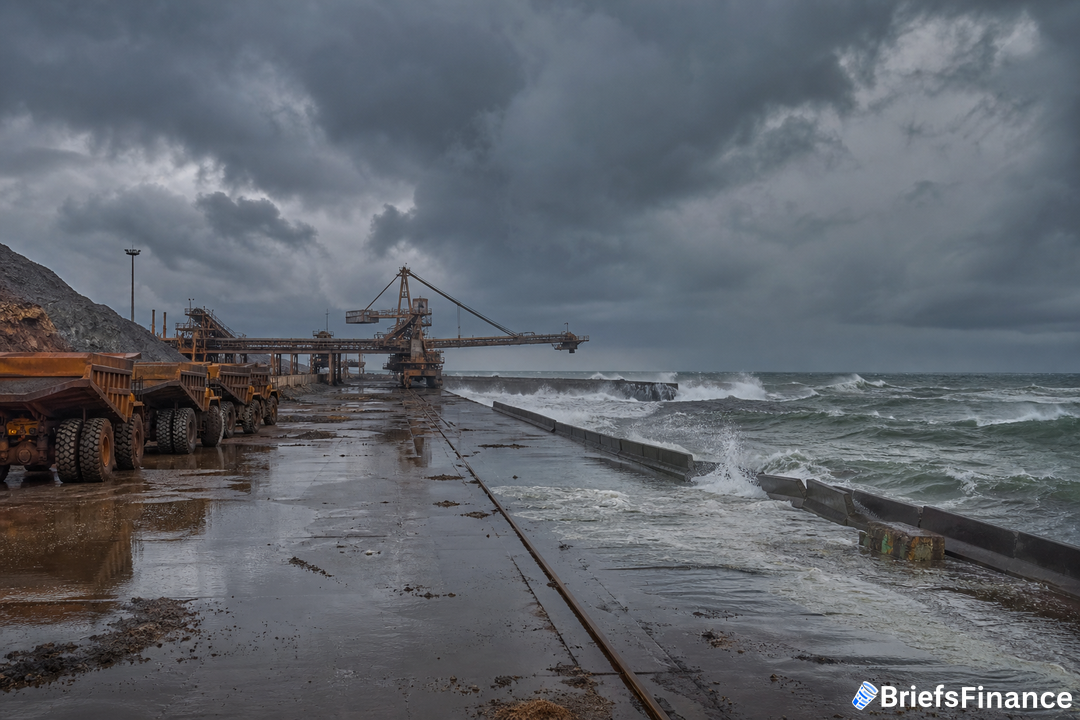
Deadly rainstorms temporarily shut parts of the mining sector, which fed into the slump. "These results were partly affected by weather conditions that disrupted the normal operation of production facilities," the central bank said. The latest figures underscore that Chile's economic malaise carried into the second half of 2026 after two rough quarters to start the year.
Mining output fell 9.4% in July from June, while services slipped 1.1% and commerce decreased 1.4%. Copper production slid 9.8% from June and was 9.4% lower than in July 2025, according to the national statistics agency. Year over year, July readings for industrial output, manufacturing, and retail sales all came in weaker than economists expected.
President José Antonio Kast was sworn in on March 11 pledging to kick start growth. In late July, Congress granted final approval to several flagship measures, with corporate tax cuts and investment guarantees among the key items. Even so, the central bank reported that gross domestic product was unchanged in the second quarter after a 0.3% contraction in the first.
The first half of 2026 brought sector-specific problems in industries like fishing, and a government move to raise fuel prices by the largest amount since at least 1980 dented consumer confidence. The weakness stands out because copper prices sit close to record highs - normally a strong boost for the world's top copper producer.
When economies ebb and flow, sticking to a plan matters, grab our free Always Be Buying E-Book to stay consistent
Policy is up next. Because yearly inflation remains higher than the 3% target and oil is being buffeted by the Iran conflict, investors largely think the central bank will leave the benchmark rate at 4.5% on Sept. 8. That steadiness meets a mixed backdrop: weather-hit mining, soft July activity, and near-record copper prices. The big swing factors to watch are how the new tax cuts and investment guarantees filter into real activity, and whether storm effects fade as mines and factories return to normal.