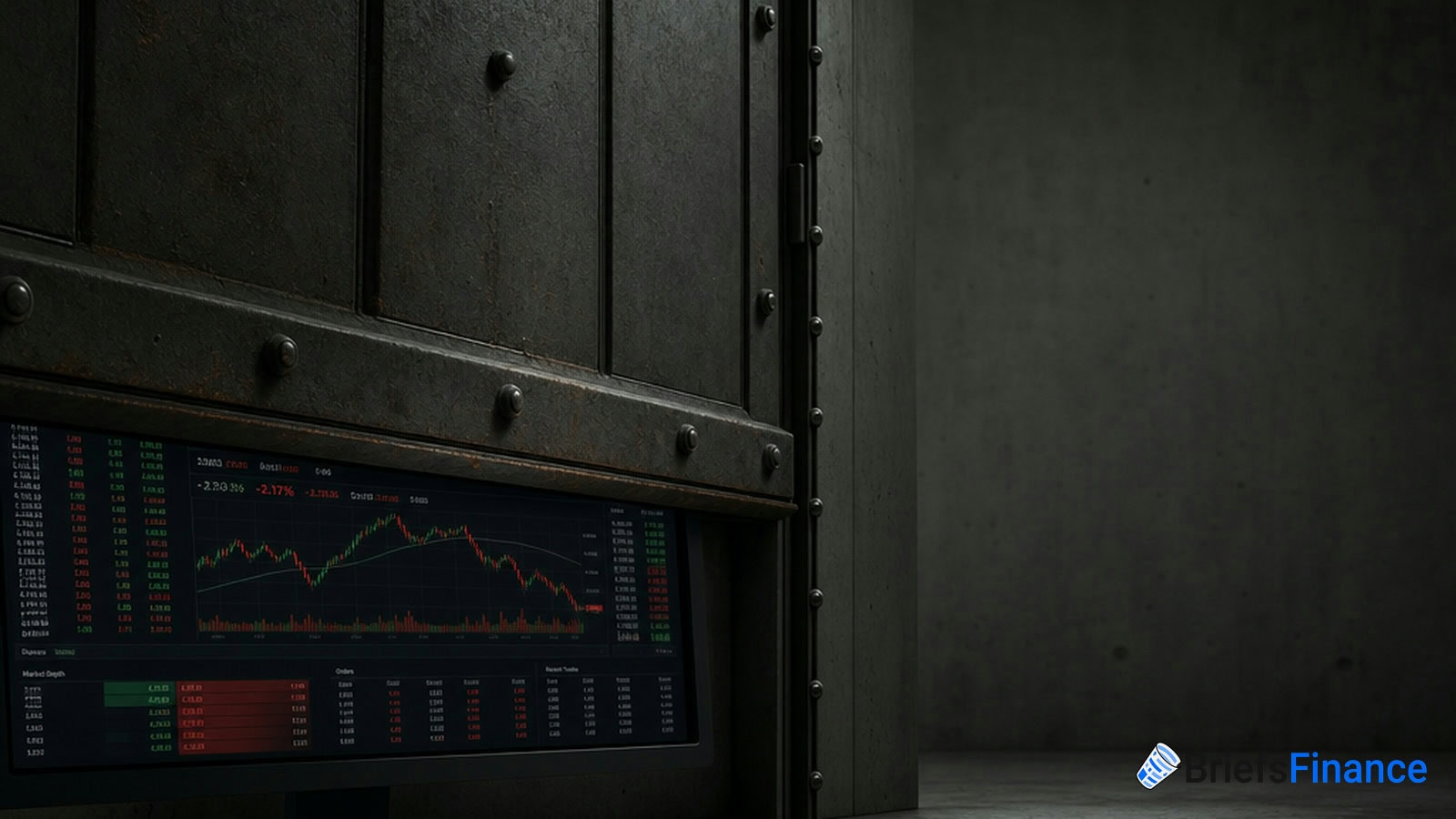
For years, Chinese savers had a quiet workaround. Politics stayed off-limits, but money could move - and millions opened brokerage accounts in Hong Kong and Singapore to buy U.S. stocks and build a foreign safety net.
That door is closing.
In the last few weeks, Beijing gave several Hong Kong and Singapore brokerages two years to wind down accounts held by mainland clients.
Beijing also rewrote its overseas investment rules to cover individuals directly for the first time, attaching one threat: seizure of vaguely defined "illegal gains."
The pressure is showing up everywhere, with Hong Kong banks tightening the rules for opening a new account.
Some brokerages have gone further, telling mainland clients they can sell U.S. stocks but not buy more, while RedNote - one of China's biggest lifestyle apps - just scrubbed posts that walked users through opening a U.S. trading account.
We unpack moves like this every morning in Market Briefs - five minutes a day, plus a free investing masterclass when you sign up.
Xi Jinping spelled it out in a January speech. Financial freedom, he said, has to take a back seat to national security - and China has to defend itself against risks "deliberately engineered" by geopolitical rivals.
Translation: the country wants household savings funding its push for tech self-reliance, not Nvidia and Tesla.
China sits on one of the largest pools of private savings in the world. Beijing wants that money flowing into domestic chipmakers, AI labs, and state priorities - not parked in U.S. brokerage accounts.
The timing is awkward for Chinese households. They have more reason than ever to look abroad: a slow economy at home, a battered property market, and weak returns on local stocks.
But the U.S. isn't exactly rolling out the welcome mat either, with SpaceX shutting Chinese investors out of its IPO last week - the biggest market debut on record.
The financial wall between the two countries is going up from both sides.
For decades, Beijing tolerated a quiet trade with its citizens: accept the political limits, and your money is your own. That trade is no longer on offer.
Join 350,000+ investors reading Market Briefs every morning - you also get a 45-minute investing course as a bonus.