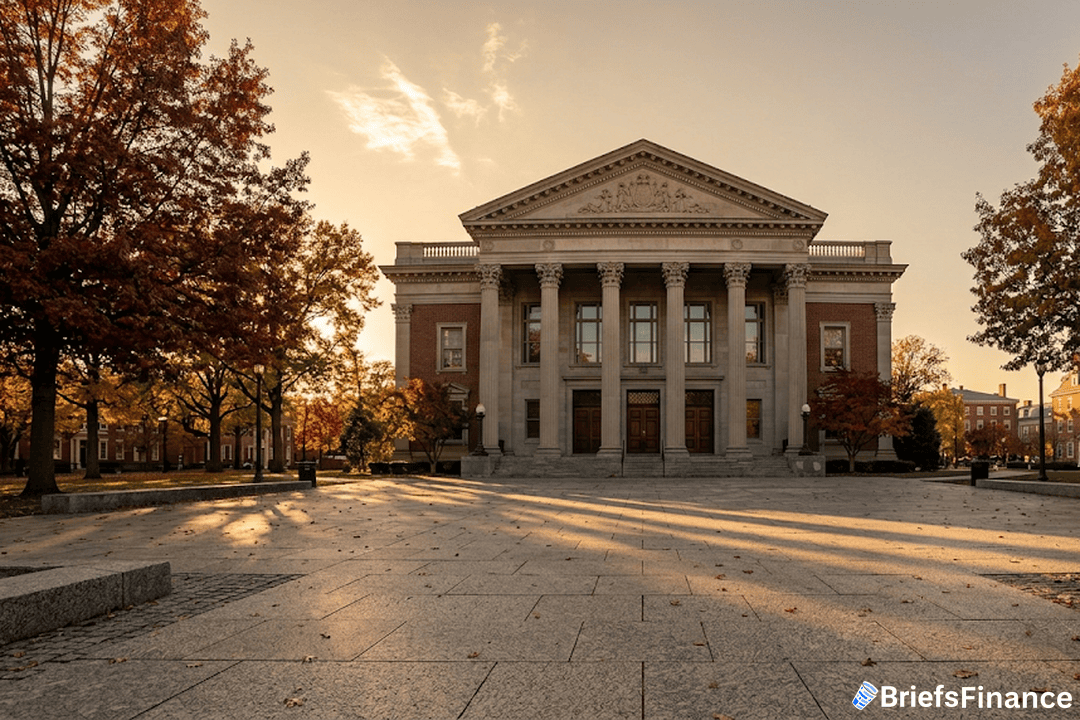
Delaware has been the default home for American business for so long that its nickname is practically a law of nature.
Now that law is cracking.
A wave of big companies is packing up and incorporating elsewhere, and the push started with a court fight over Elon Musk's pay.
The trouble started when a Delaware judge voided Musk's $55 billion compensation package.
Musk did not take it quietly. He told businesses to stay away from Delaware, and he made good on that advice by shifting SpaceX's incorporation to Texas in 2024, with Tesla following. He also warned that the ruling would be used as a weapon against every company incorporated in Delaware.
" If the verdict in my case in Delaware is not overturned, it will be used as precedent in every fake shareholder case for every company incorporated in Delaware for the rest of time! " he said.
The complaint from businesses boils down to this: Delaware's Court of Chancery has become too unpredictable. Companies want clear, statute-based rules they can plan around, not rulings that feel subjective.
Musk was not the first to leave, but he may have started a trend.
Get the free Always Be Buying eBook and learn the simple system for building wealth on any income
Tripadvisor moved out before the Musk case became prominent. After that, the exits came faster. DoorDash shareholders agreed to reincorporate in Nevada, with the company blaming Delaware's legal system in an August SEC filing.
Roblox stockholders approved a move to Nevada in May, and CEO David Baszucki told shareholders the state's laws fit the company's culture. Dropbox announced in January that it wanted Nevada's predictable legal climate.
The list does not stop there. Coinbase filed to leave for Texas, with its chief legal officer citing Senate Bill 29, a law that protects business leaders' decisions from second-guessing. Trump Media won shareholder approval in May to reincorporate in Florida.
The Trade Desk proposed Nevada in a late 2024 filing and won approval in November. Simon Property Group headed to Indiana. Pershing Square's Bill Ackman said in February he would move his firm's investment-holding entity to Nevada, noting that top law firms now recommend Nevada and Texas over Delaware.
Even venture capital giant Andreessen Horowitz announced in July that its main business would reincorporate in Nevada, pointing to the same legal uncertainty and the departures by Dropbox, Tripadvisor, and Tesla.
Delaware is not taking the exits sitting down.
Governor Matt Meyer said in February that the state was reaching out to companies directly. By March, he had approved changes to Delaware's General Corporation Law, the rulebook that governs businesses there. He also promised to keep working to earn back trust from companies that already left.
The stakes are real. Delaware's Department of State counts close to 2 million businesses as incorporated there, and two-thirds of the Fortune 500 are in that count. Those companies pay fees that make up a big share of the state's revenue.
You might not think about where a company is incorporated, but the legal climate shapes how much risk its leaders are willing to take.
A company that worries about getting sued for every big decision may play it safer. A company that feels protected might swing bigger. For investors, that changes the kind of bet you are making.
The bigger story is that states are now competing for corporate business like never before. Nevada, Texas, and Florida are marketing themselves as friendlier homes, and Delaware is scrambling to keep its crown. That competition could keep the trend going for a while.
For your portfolio, the practical takeaway is simple: when a company changes its legal address, it is worth asking why. Sometimes it is about cutting costs. Sometimes it is about avoiding lawsuits.
And sometimes, as with Musk, it is personal. The reasons matter, because they tell you something about how the company will run itself going forward.
Download the free Always Be Buying eBook and start putting your money to work today