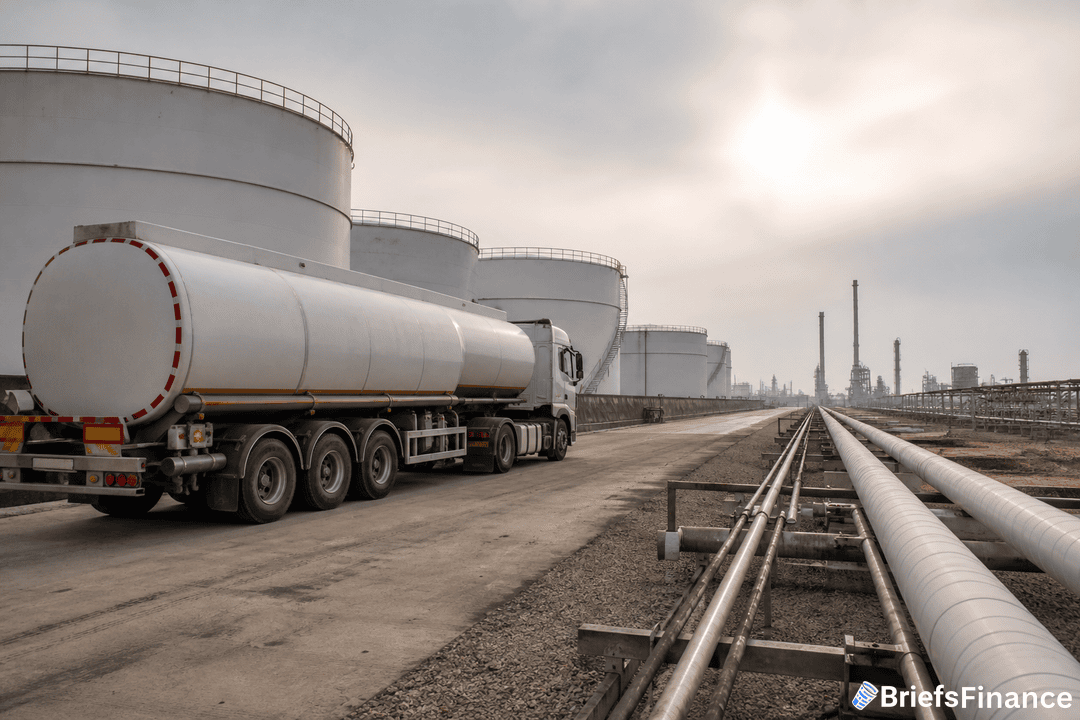
On CBS's Face the Nation, Wright said the team is evaluating "all options of how we can move prices that are favorable for American consumers, but right now we're leaning in on maximum production - energy addition." His basic prescription: "The way to solve a supply shortage is to grow supply." He also underscored a simple principle for this market: "You want to keep as much energy flowing as possible."
Diesel is the economy's pack mule, running farm equipment, hauling freight and fueling construction, so price spikes spread quickly. AAA clocked a $5.90 national average on Saturday, a record level. Wright called the current setup "challenging," pointing to conflict-linked disruptions involving Iran and Russia that have choked oil movements and trimmed refining activity. The situation has been compounded by drone damage at Russian refineries and Moscow's own halt on diesel exports.
Rising diesel costs have revived chatter about limiting U.S. crude and fuel shipments abroad. President Donald Trump and senior officials have repeatedly said they are not pursuing that path, with Interior Secretary Doug Burgum arguing in May that an export ban is a bad idea "economically, geopolitically and for affordability." On Sunday, Wright did not give a blanket rejection of an export ban, instead emphasizing supply-side moves. Industry leaders, for their part, have warned that walling off U.S. barrels from global markets would ultimately deter investment in domestic output.
At the White House last week, Trump, Burgum and Wright pressed oil executives on how to lift refining capacity, acknowledging that U.S. fuel makers are already operating near their limits to meet demand. In response, a number of refiners asked the administration to ease the biofuel blending requirements, arguing that those mandates are contributing to higher prices at the pump.
Even when energy stories dominate headlines, steady contributions matter for long term goals, get the free Always Be Buying E-Book
Policy signals point to more barrels, not barriers: keep production high, keep energy moving, and try to ease the refinery bottleneck. If that playbook works, it targets the pain point at the pump rather than cutting U.S. oil off from world markets. For everyday investors, that means watching supply growth, refinery utilization and any tweaks to biofuel rules as the levers most likely to shape fuel prices you actually pay.