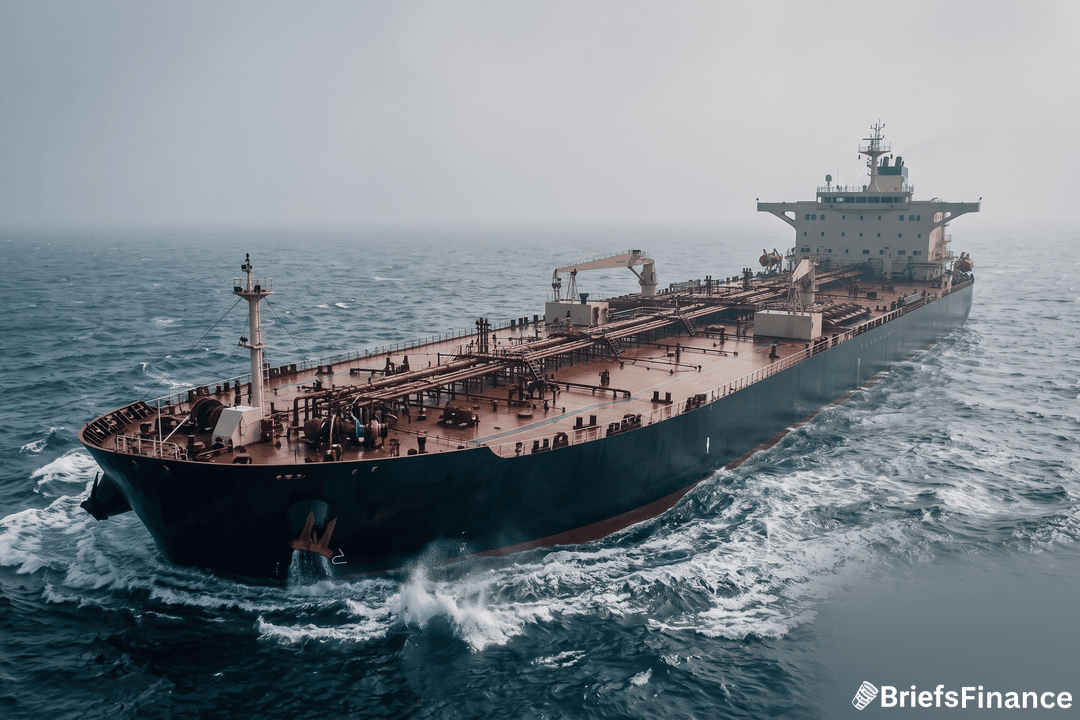
A European diplomat stated, "the EU has decided to keep the $44.10 per barrel limit on Russian crude oil in place through July 23."
This freeze underscores the EU's resolve to maintain economic pressure on Russia despite external market shocks. The bloc has learned from the earlier $60 cap, which failed to meaningfully curb revenue because Urals crude traded below that level. The dynamic formula was meant to prevent such gaps, but the Iran conflict created an exceptional situation requiring immediate action.
This variable price ceiling was intended to adjust to changing market conditions while continuing to financially squeeze Moscow. However, the sudden surge in oil prices following the outbreak of the Iran conflict threatened to undermine that strategy. By freezing the cap at $44.10, the EU signals its determination to keep Russian oil revenue suppressed despite external market forces.
Get the market news that matters in a five-minute read with Market Briefs, our free daily newsletter
The upcoming 21st sanctions package represents the bloc's latest effort to tighten the economic noose, with LNG trade becoming a new front. The ban on re-exports aims to prevent Russian gas from reaching global markets through European intermediaries. Meanwhile, restrictions on tanker sales would hinder Russia's ability to transport its own LNG.
This seven-day delay allows negotiators additional days to finalize the bloc's 21st sanctions package against Russia, which proposes making the oil price cap permanent.
In the previous year, the EU implemented a dynamic pricing system that sets the limit at 15% below the six-month average of Russia's Urals crude price. Because the conflict in Iran has driven up worldwide energy costs, the cap was on track to rise sharply, which could have handed Moscow a significant financial boost. An earlier $60 limit proved inadequate at curbing Russia's oil income, prompting the EU to adopt the stricter $44.10 threshold.
In response, the bloc shifted to a dynamic formula that automatically adjusts the cap based on the six-month average of the Urals crude price, aiming to keep pressure steady even as global markets fluctuate. The current $44.10 figure was chosen as a tighter constraint.
The sudden spike in oil prices caused by the Iran conflict threatened to trigger an automatic increase in that cap, which would have given Moscow a financial boost at a critical moment. By freezing the cap, the EU is preserving its intended revenue squeeze while negotiators finish the details of the next sanctions round.
The new batch of sanctions is designed to cut deeper into Russia's energy earnings, with a particular focus on liquefied natural gas. Among the measures are a prohibition on European companies re-exporting Russian LNG to third nations and limitations on the sale of LNG carriers to Russian entities. Negotiators have failed to find common ground on these proposals, even though they had hoped to strike a deal by earlier this week. Additionally, disagreements persist over proposed actions concerning Austria's Raiffeisen Bank International AG.
Join Market Briefs, our free daily newsletter, for a quick daily rundown of the markets