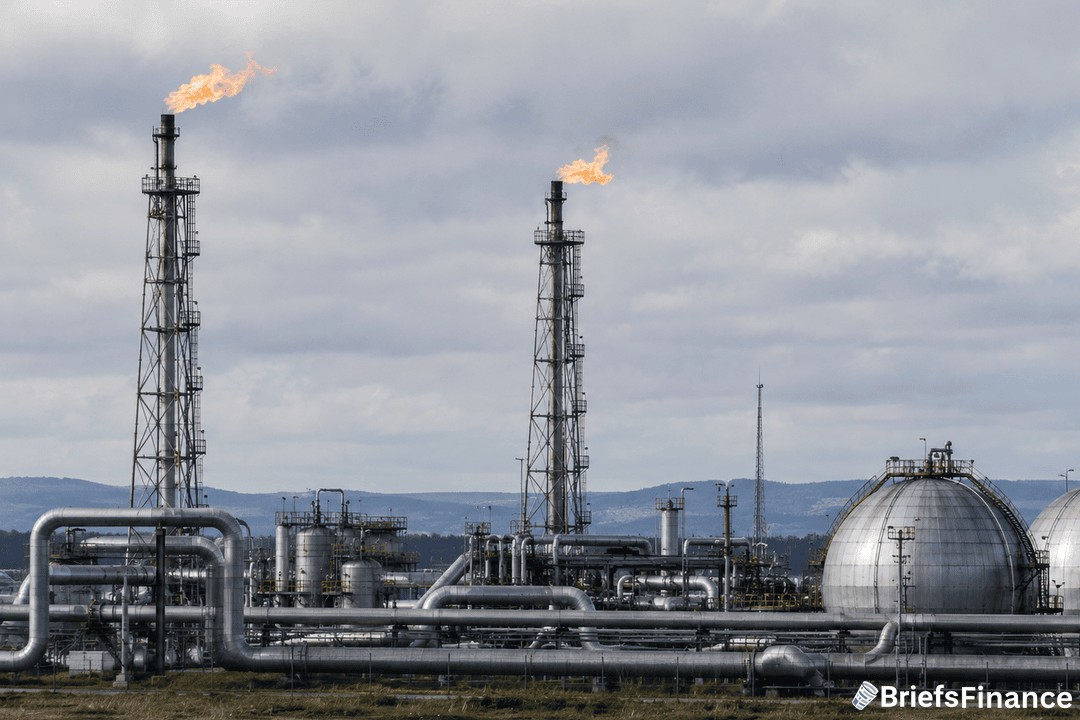
On July 20, the European Commission - the EU's executive body - issued guidance proposing a three-year postponement of fines for energy shippers not meeting the bloc's new methane regulations. That means penalties that were expected to hit in 2027 are now pushed back to 2030.
Here is how the timeline shakes out. As of 2027, every fossil-fuel shipment entering the EU must comply with rules for tracking, documenting, and confirming data to reduce methane emissions. But if an importer fails those standards, they get a pass for three years. Only after 2029 will imports that blow past a methane-intensity threshold face actual penalties.
Over its first two decades in the atmosphere, methane's ability to trap heat is about 80 times greater than that of carbon dioxide. That is why the EU wrote these rules in the first place.
Get the market news that matters in a five-minute read with Market Briefs, our free daily newsletter
The delay did not come out of nowhere. It follows months of back-and-forth between the European Commission and some national governments who worried about keeping the lights on.
The US and Qatar, both major gas suppliers, sent clear warnings to Brussels. They told the EU the methane rules could disrupt energy shipments just as Europe is trying to replace Russian gas. The US has gone further, saying it will send its liquefied natural gas to other markets if the EU does not ease up.
A trade group representative said, "The commission's recommendations do not go far enough." Companies argue that even with a penalty delay, the reporting requirements starting in 2027 could force importers into non-compliance without a real path to fix it.
The EU's push to reduce methane emissions comes amid a broader effort to diversify energy sources following Russia's invasion of Ukraine. The bloc has dramatically cut Russian gas imports, turning instead to liquefied natural gas from the US and Qatar. However, those suppliers have pushed back against the methane rules, warning that strict compliance requirements could make it harder to meet Europe's demand.
The three-year penalty delay is seen as a compromise between climate ambitions and energy security. The European Commission's guidelines are not legally binding; EU member states and the European Parliament must still finalize the rules. The delay gives importers more time to adapt, but the reporting requirements starting in 2027 still pose challenges for companies that lack the infrastructure to track and verify methane emissions across complex supply chains.
The EU's Methane Strategy, introduced in 2020, originally targeted a 30% cut in methane emissions by 2030. The new import rules were designed to extend that ambition globally, but resistance from key gas suppliers has forced a more cautious approach. Balancing climate goals with energy security has become a delicate act, especially as the bloc now relies heavily on LNG from the US and Qatar to replace Russian supplies.
Join Market Briefs, our free daily newsletter, for a quick daily rundown of the markets