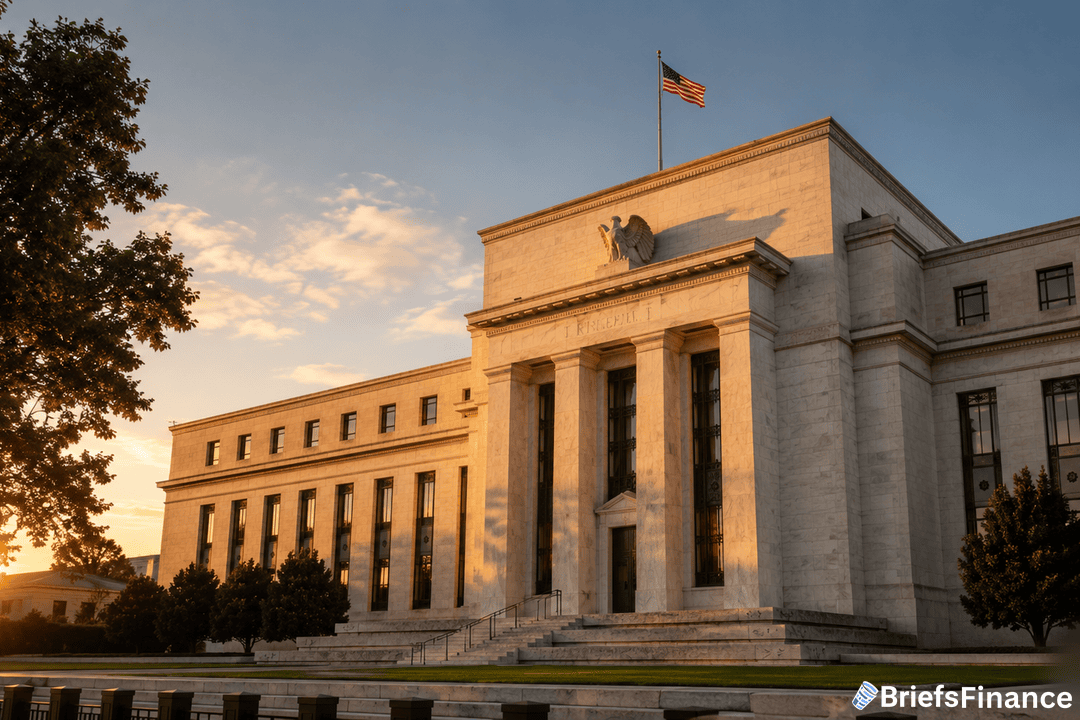
After inflation spiked following a joint military strike by the U.S. and Israel on Iran in late February, New York Fed President John Williams has a simple message: the worst is probably over.
Speaking this week, Williams said there are "encouraging reasons" to believe inflation has peaked and should "edge down in coming quarters." His current forecast puts overall inflation at around 3.25% by the end of 2026, then a "glide path toward our 2 percent goal in 2027" and a full landing on target in 2028.
He described current interest rates as "well positioned" to achieve that.
The latest data backs him up.
Get the market news that matters in a five-minute read with Market Briefs, our free daily newsletter
The inflationary surge began after the U.S.-Israel strike on Iran in late February, which sent oil prices soaring and reignited supply-chain pressures. Combined with lingering tariff effects and a boom in AI-related technology investments, the annual inflation rate had climbed above 4% in the spring. Williams's remarks signal a turning point, as the Fed now hopes the worst of the price pressures are behind them.
Williams pointed to the war, ongoing tariff effects, and a rapid expansion in technology spending as the main reasons for the inflation jump. However, he sees signs those forces are fading.
Specifically, he argued that as old tariffs expire, new ones take their place, meaning no additional major price increase should happen. Meanwhile, the oil surge has "likely peaked" and should retreat toward pre-conflict levels, he said. On the AI side, Williams said "imbalances" should "recede over time as more supply comes online." Williams additionally pointed to the labor market, stating it is not fueling inflation, and he concluded that expectations remain "well-anchored."
"Growth in the economy is solid and on trend, and the labor market is likewise solid and stable," Williams said. "But with inflation running high, it is imperative that we restore it to the Federal Reserve's 2 percent longer-run goal on a sustained basis. The current stance of monetary policy is well positioned to do that."
In June, by a slim majority, the other members of the Federal Open Market Committee likewise projected a single quarter-point rate hike before year-end.
At a House Financial Services Committee hearing, Fed Chair Kevin Warsh stated that the June price decline does not signal a "mission accomplished" scenario. "That is not my view," he said.
Combined with tariff carryover and AI investment demand, price pressures built quickly. Williams now believes those forces are fading, offering a path back to the Fed's 2% target by 2028, though markets still price in a possible rate hike as soon as September 2026.
Join Market Briefs, our free daily newsletter, for a quick daily rundown of the markets