Treasury Secretary Scott Bessent told reporters on Wednesday that "many" U.S. allies in the Persian Gulf have asked for a financial backstop as the Iran war hits their economies. That disclosure pushed currency strategists to revisit their dollar-liquidity models for the region.
The public comments also made clear that Gulf oil revenue stress is now severe enough to reach Washington's door.
UAE Central Bank Governor Khaled Mohamed Balama raised the idea of a currency swap line with Federal Reserve and U.S. Treasury officials, including Bessent, in meetings in Washington last week. The UAE has not made a formal request, only "raised the potential," according to the people familiar with the talks.
Currency swap lines, whether Fed or Treasury-backed, exist to keep order in dollar funding markets. They let a foreign central bank borrow dollars quickly, which prevents a disorderly sell-off of U.S. assets during stress.
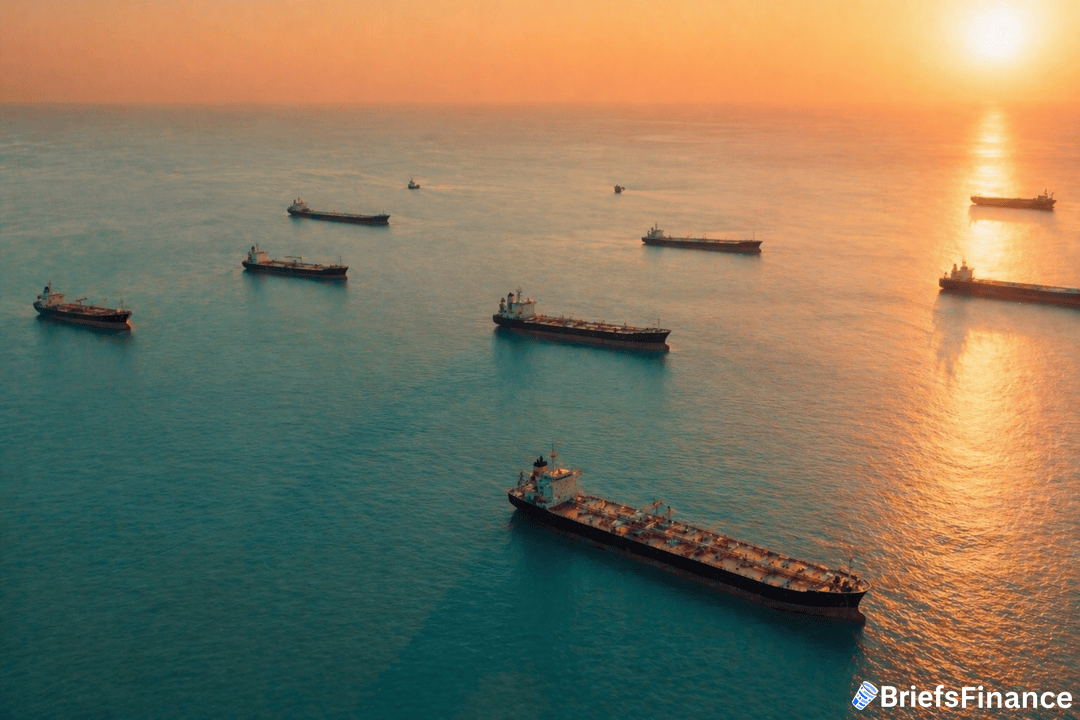
Gulf economies depend on oil exports for cash flow, and with the Strait of Hormuz largely closed, those exports are blocked. Iran has also fired missiles at U.S. regional allies, damaging economic infrastructure and raising insurance costs across the region.
The eye-catching detail: the UAE warned it may have to use the Chinese yuan for oil sales and other transactions if it runs short on dollars. That would be a direct challenge to dollar dominance in global oil trade, which is one of the foundations of U.S. financial power.
The UAE embassy in the U.S. posted a statement on X denying the reports, saying "any suggestion that the UAE requires external financial backing misreads the facts." That public stance lets the government negotiate from a position of apparent strength.
Behind the scenes, the talks are clearly more serious than the public posture suggests, which is why Bessent flagged them at all.
China has been pushing to settle more oil and commodity trade in yuan for the past decade, with limited success outside Russia. Any Gulf shift toward yuan-denominated oil trade would mark the largest step yet away from the dollar in global energy markets.
Even a small percentage move in that direction would ripple through U.S. Treasury demand. That risk is why Fed and Treasury officials are treating the Gulf backstop talks with unusual urgency.
If Gulf allies are even floating the idea of yuan-denominated oil sales, it is a warning signal about dollar stress. A U.S. swap line would help stabilize the region but would also put the Fed and Treasury on the hook for Gulf war risk.
Watch the Fed's next policy statement for any language about international dollar funding pressures.