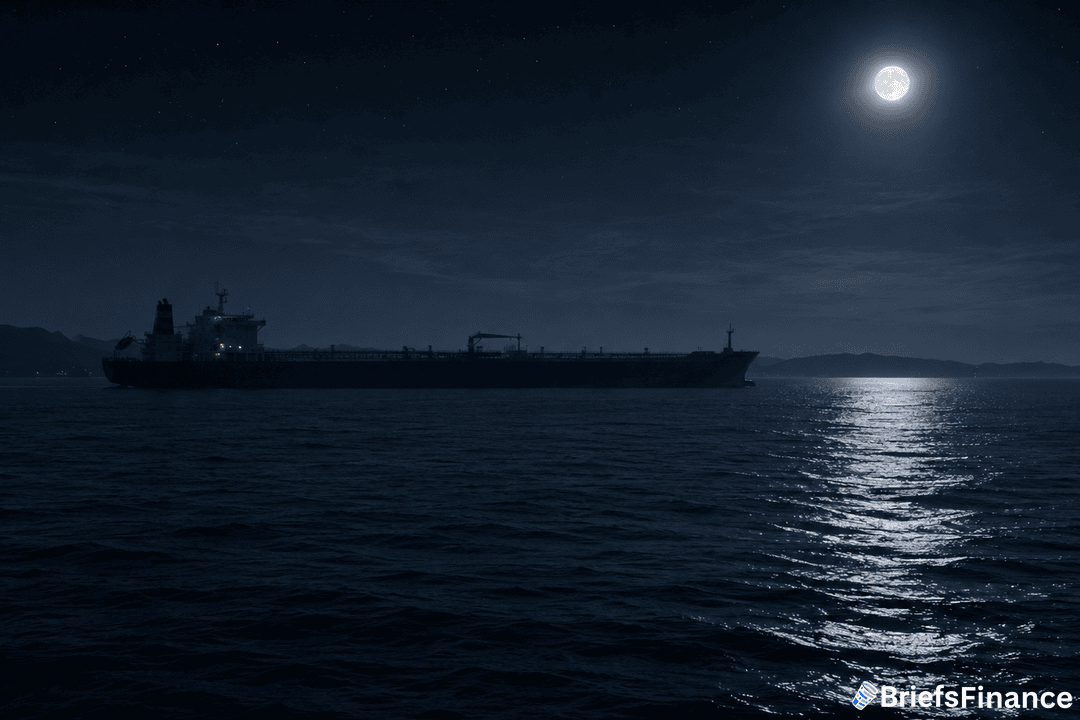
The war nearly shut down Gulf fuel exports. Now they're creeping back.
Quietly, and mostly after dark.
Saudi Arabia, the UAE, and Kuwait are shipping fuel again. That means diesel, gas, and other fuels.
Together they topped 600,000 barrels a day this month. That's about 50% more than they shipped in April and May.
It's still a sliver of the old days. Before the war, these countries moved about 4 million barrels a day.
But the trend has flipped from down to up. Gulf states spent two decades building refineries.
That turned them into big suppliers of diesel and jet fuel to Europe and Asia. The war choked off most of that flow.
It hit factories and threw air travel into chaos. Diesel and jet fuel keep planes and trucks running.
Losing that flow rattled markets worldwide. The Gulf is slowly waking back up.
A barrel that escapes the strait lands in the market. That helps hold down oil prices.
We follow the flows daily in Market Briefs - five minutes a morning, with a free crash course in investing when you join.
The trick is timing. Gulf producers send tankers through the strait at night.
They switch off their tracking signals first. Traders call it spiriting the tankers out.
It's the shipping version of driving with your headlights off so no one spots you. Crews go dark to avoid being tracked or hit.
Ships normally broadcast their location at all times. Going dark shows how risky the route has become.
The UAE is also trying talks. It sees Iran as a rival.
But it knows Tehran won't be pushed out. So it's quietly working to ease tensions.
Every extra barrel helps hold prices down. That's why this rebound matters.
Brent crude has averaged just over $100 over the past three months. That's far below the $150 to $200 some analysts feared.
It recently slipped under $90. The drop came after Trump called off strikes on Iran and said a deal was close.
Lower fuel prices reach everything from airlines to your local gas pump. Markets had braced for far worse.
Some feared oil near $200 a barrel. It never got there.
Every cargo that gets out eases the fear a little.
Abu Dhabi's Adnoc is the region's biggest naphtha shipper. It's now moving more jet fuel too.
Saudi Aramco keeps sending fuel out through its Red Sea ports. Those shipments topped 70,000 barrels a day this month, a touch above last year's pace.
Kuwait is exporting more diesel too. Buyers in Europe and Asia are lining up.
For drivers, that means steadier prices at the pump. The relief could fade if the war heats up again.
For now, the trend points down. The night runs are working.
If you want the market explained like a friend would over coffee, sign up for Market Briefs here and get a 45-minute investing course, on the house.