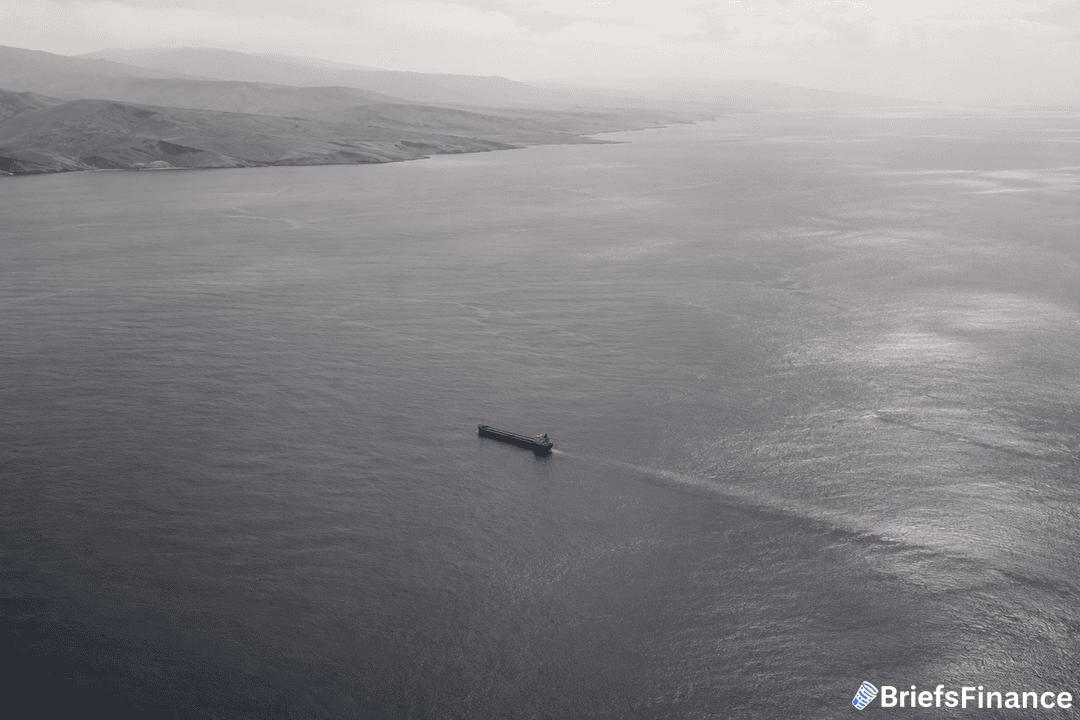
The U.S. Energy Secretary says oil is moving through the Strait of Hormuz again. He says it is rising "very meaningfully."
The ship-tracking data tells a quieter story. The numbers have not caught up to him yet.
Chris Wright spoke at an energy event on Tuesday. He told CNBC that oil flows through Hormuz are climbing.
He said they "will continue to rise." When pressed, he called the rise a "fair statement."
He framed it as the U.S. gaining the upper hand. The trend, he said, is moving in a "very positive direction."
He kept that view even after Iran and Israel traded missile fire on Sunday.
We cut through noise like this every morning in Market Briefs in five minutes flat, and you get a free investing masterclass when you sign up.
The hard numbers are less upbeat. The IMF's PortWatch service tracks ships in the strait.
It counted a seven-day average of just five arrivals as of Sunday. That comes from its tracking data.
Before the war, that count topped 100. Picture a six-lane road cut down to one open lane.
That is Hormuz right now. About a fifth of the world's oil used to pass through it.
The strait has been crippled since late February. That is when the U.S. and Israel struck Iran and set off the war.
PortWatch reads satellite signals to count ships. The IMF built the tool with researchers at Oxford.
Wright said Iran is a threat to the world's oil. He added it is a threat to peace and economic stability too.
He argued the U.S. is in a strong spot to take on Iran. He even said the standoff is moving the right way.
That is a bold claim with missiles still flying. Oil this jumpy also pushes some investors toward safe spots like gold.
Gold tends to hold up when conflict spreads.
Prices have stayed fairly calm for one reason. Stored oil around the world has filled the gap so far.
That cushion will not last forever. Prices could jump later this year as those stockpiles run low.
Summer is also peak driving season. More demand plus less supply tends to lift prices.
Traders leaned toward Wright's view. U.S. crude dropped 3.9% on the day.
Brent, the global benchmark, fell about 3% too. Prices had jumped on Monday on the war news.
Wright's words pulled them back the next day. That move says the market trusted his words over the data, at least for now.
That is the funny thing about oil.
One line from the right official can move prices more than a week of charts.
Wright did not share figures to back up the rise. So the gap between his words and the five ships a day is the thing to watch.
Words moved the price today. The data gets the final say.
Want the story behind the market's daily swings? Join 350,000+ readers of Market Briefs and get a 45-minute investing course for free.