When Peter Magyar took over as prime minister, he inherited a tax system that picked winners and losers. The previous government under Viktor Orban had piled special taxes onto banking and energy companies while showering the electric-vehicle sector with subsidies and breaks.
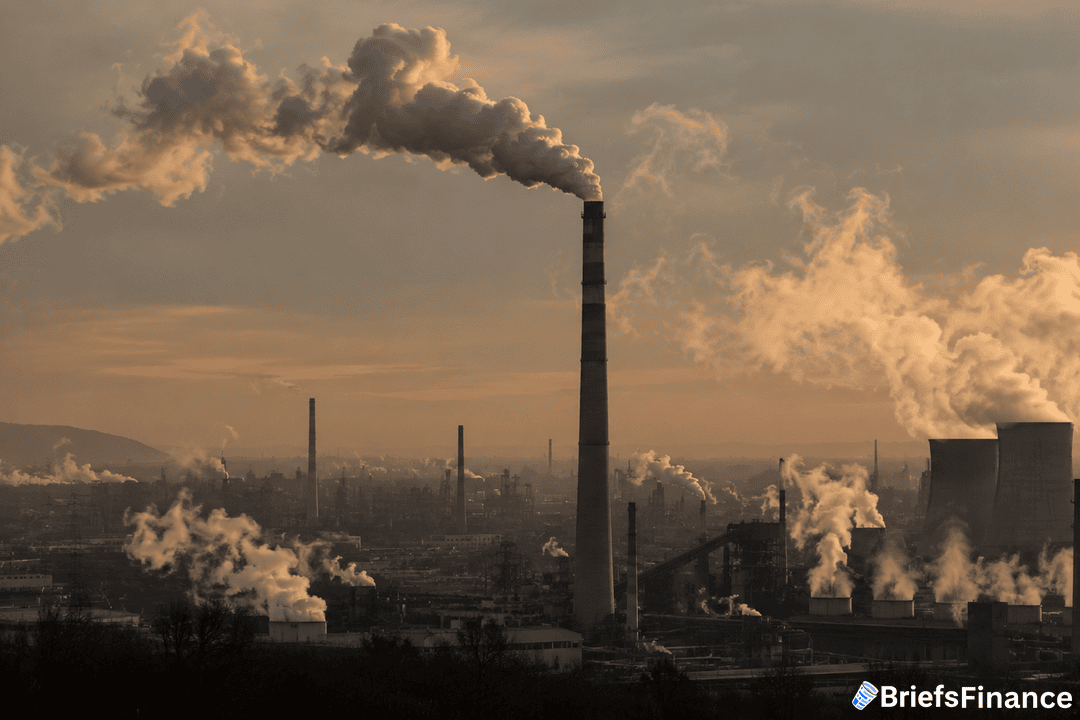
Now Magyar is ripping up that playbook. His government plans to broaden the corporate-tax base, end those targeted industry taxes, and shift the burden onto polluters instead.
"We're going to make the Hungarian tax system more simple, transparent and fair," Magyar said.
That sounds good on paper. But for companies that had grown comfortable with their special treatment - or for those that had been paying extra - it means a real reshuffling of costs.
The core move is straightforward. Hungary will stop singling out certain industries with extra taxes. Instead, it will apply a broader set of rules across the corporate landscape.
Get the market news that matters in a five-minute read with Market Briefs, our free daily newsletter
Magyar said the goal is to "force them" into line with what he calls the European Union's strictest environmental standards.
So the banks and energy firms that have been paying special levies for years could get a break. Meanwhile, companies that have been operating with a lighter environmental footprint - or with generous state support - may lose those advantages.
The electric-vehicle sector, which enjoyed subsidies under Orban, could be a notable loser here. The whole approach is shifting from picking favorites to making polluters pay more.
For investors with exposure to Hungary - whether through stocks, bonds, or a European fund that includes the country - this is a signal to recheck your assumptions.
Banks and energy companies that were hit with extra taxes might see their costs drop, which could boost profits. On the flip side, companies tied to the EV supply chain or other previously favored industries could face a less friendly environment.
The polluter taxes introduce a new cost for heavy industry. If the government follows through on its promise to enforce the EU's strictest rules, companies that emit a lot may see their margins squeezed.
The catch: All of this is still in proposal stage. The government plans to publish its decisions in the official Hungarian Gazette and submit related proposals to parliament on the same day. Nothing is final until it becomes law.
Still, the direction is clear. Magyar is drawing a line between the old way and the new one. For anyone investing in Hungarian companies, the question is not whether the system will change - it is which side of that line your holdings fall on.
Join Market Briefs, our free daily newsletter, for a quick daily rundown of the markets