Dubai, a previous top performer in luxury growth prior to the Iran war, depends significantly on visitors and has not demonstrated any rebound yet. The luxury sector in hubs such as Dubai is still hampered by unresolved geopolitical strife in the Middle East. According to the report, a stabilization in the region combined with a pickup in international demand could lead to positive luxury goods growth in 2026.
This shift in consumer priorities is also visible in regional performance. While the U.S. leads, other markets have seen mixed results, with some benefiting from domestic tourism.
Aspirational shoppers are a major force behind this U.S. uptick.
Simultaneously, affluent consumers globally are changing their spending habits. According to the study, spending on travel, events, and dining has surpassed the demand for status symbols.
Get your free investing masterclass bonus with the Briefs daily newsletter
"What we're seeing across experiential luxury this year is resilience concentrated in the categories that offer something money can't easily replicate: time, access and meaning," said Claudia D'Arpizio, a senior partner at Bain & Co. "Luxury is increasingly about how people live rather than what they own."
Journeys to unconventional and less touristy spots are on the rise. Customized, leisurely journeys focused on exploration and heritage are gaining traction, often referred to as "immersive wayfaring." The report notes a 20% increase in trips to unconventional destinations.
The study highlights the growth of "inheritourism," where affluent families take trips together and younger generations mimic their parents' travel preferences. Cruise lines are attracting both newcomers and loyal return passengers. A "less-but-better" philosophy is fueling high-end dining and gourmet experiences, while fine arts have resumed their upward trajectory.
"Consumers aren't simply spending more; they're spending differently, in pursuit of moments that feel personal and authentic," D'Arpizio said.
Join the free Briefs daily newsletter and claim your masterclass bonus
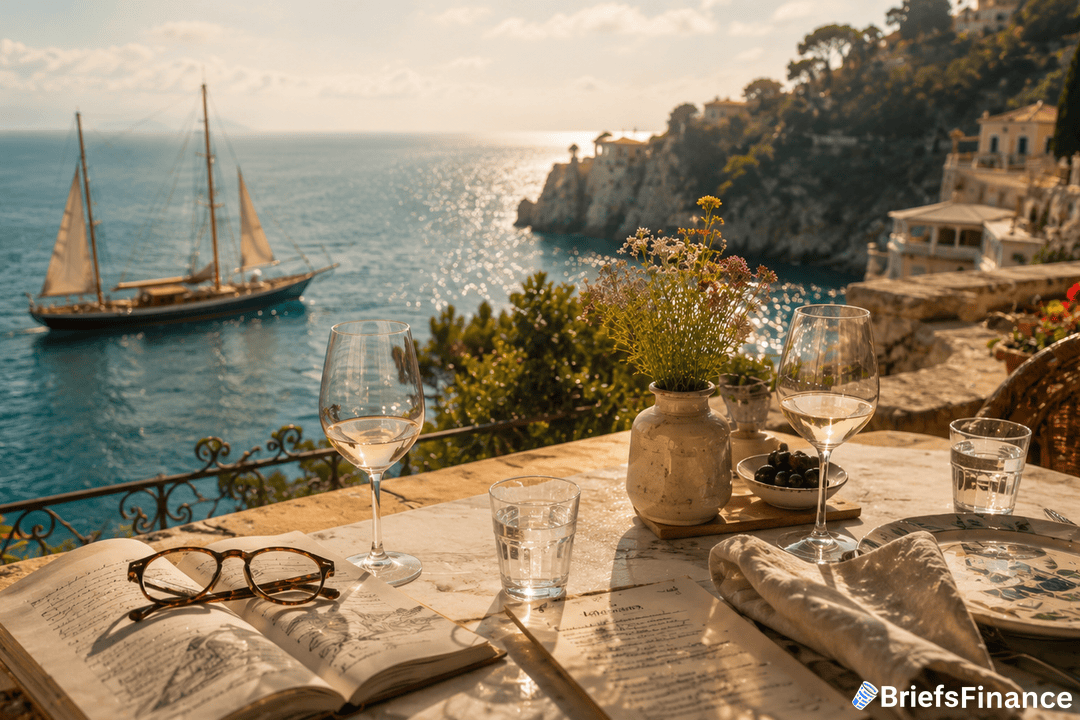
This realignment in consumer priorities is underpinned by a desire for authenticity and personal connection. From "inheritourism" to gourmet dining, wealthy individuals are increasingly valuing shared experiences over material possessions, forcing luxury brands to rethink their strategies. The rise of "immersive wayfaring" and customized travel illustrates how time and access have become the new luxury currencies.
The shift from owning to experiencing reflects a deeper change in consumer values. As travel and dining gain priority, traditional luxury houses are adapting by investing in hospitality and exclusive event partnerships. Meanwhile, emerging trends like "inheritourism" show how family legacy has begun to influence spending patterns, with wealthy multigenerational groups seeking shared adventures rather than inherited heirlooms.