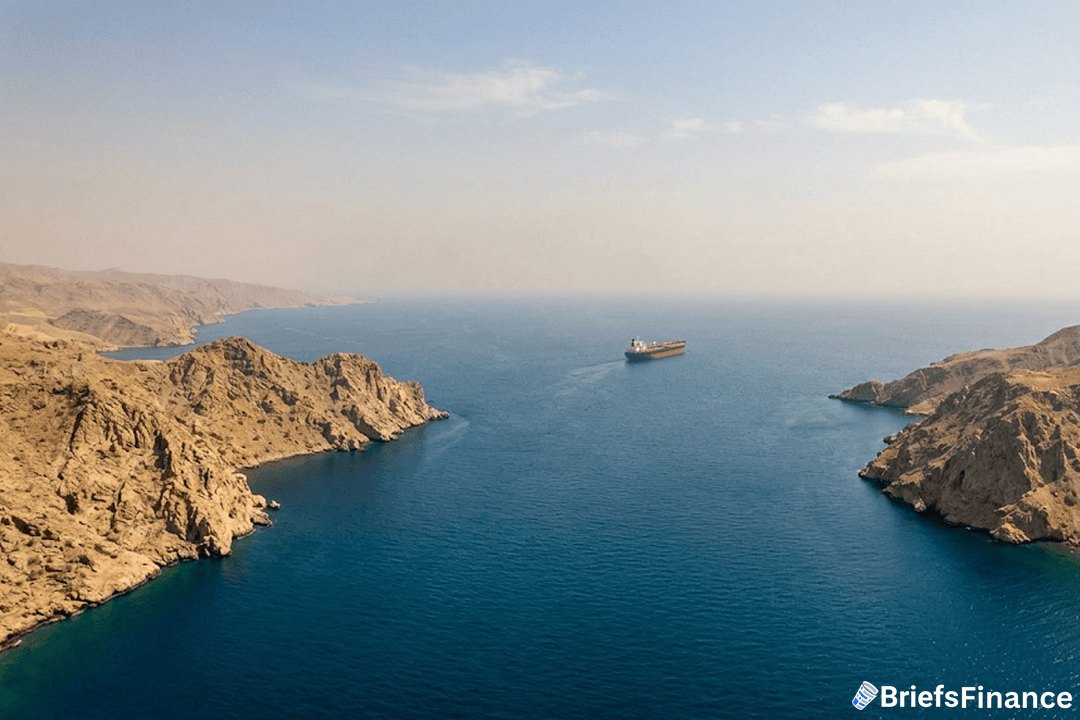
The resolution of Kalshi's contract relies on a seven-day rolling average of vessel transits, as tracked by IMF Portwatch.
On CNBC's "Squawk Box," Matt Smith, who serves as Kpler's director of commodity research, said, "We're pushing that reopening into next year."
Iran-backed Houthi rebels declared they had struck two Saudi oil tankers sailing in the Red Sea. Smith noted that this development introduces a fresh factor affecting when the Strait might reopen. Around 20% of the world's petroleum flows through the narrow Strait of Hormuz, making it a vital chokepoint for global oil trade. Any prolonged disruption forces tankers to take longer, costlier routes and can spike oil prices worldwide.
Get the market news that matters in a five-minute read with Market Briefs, our free daily newsletter
This diplomatic overture comes as the U.S. continues its sustained campaign of airstrikes, which have drawn condemnation from Tehran and raised fears of a wider regional conflict. Iran has repeatedly denied direct involvement in Houthi attacks, though Western intelligence agencies have documented arms shipments from Iran to the Yemeni group.
The ongoing crisis comes amid a broader escalation in the Red Sea region, where Houthi forces have been targeting commercial shipping since late 2023 in solidarity with Palestinians in Gaza. The U.S.-led airstrikes aim to degrade Houthi capabilities, but have so far failed to fully deter attacks. The Strait of Hormuz, while not directly in the Red Sea, is closely linked to the same security environment, as Iran's role as a backer of the Houthis creates spillover risks for the vital Persian Gulf waterway. Previous disruptions to Hormuz traffic, such as during the Iran-Iraq war or the 2019 tanker attacks, show that even temporary closures can rattle global energy markets.
The Strait of Hormuz has been a flashpoint for decades. During the Iran-Iraq War in the 1980s, the so-called Tanker War saw dozens of vessels damaged, sending oil prices soaring. In 2019, drone attacks on Saudi Aramco facilities temporarily knocked out 5% of global supply, demonstrating how quickly regional tensions can impact energy markets. Analysts now warn a sustained closure could push oil above $100 per barrel, echoing past crises.
The economic stakes are enormous. A sustained closure of the Strait of Hormuz could send global oil prices soaring, with analysts warning of potential spikes above $100 per barrel. Shipping companies are already diverting vessels around the Cape of Good Hope, adding weeks to transit times and increasing costs.
Diplomatic pressure could change the calculus, but the market signals right now are clear. The odds of a quick reopening remain low. According to Kalshi's figures, traders increasingly believe the standoff will persist, as the rolling seven-day mean of vessel transit requests remains well under typical levels.
Join Market Briefs, our free daily newsletter, for a quick daily rundown of the markets