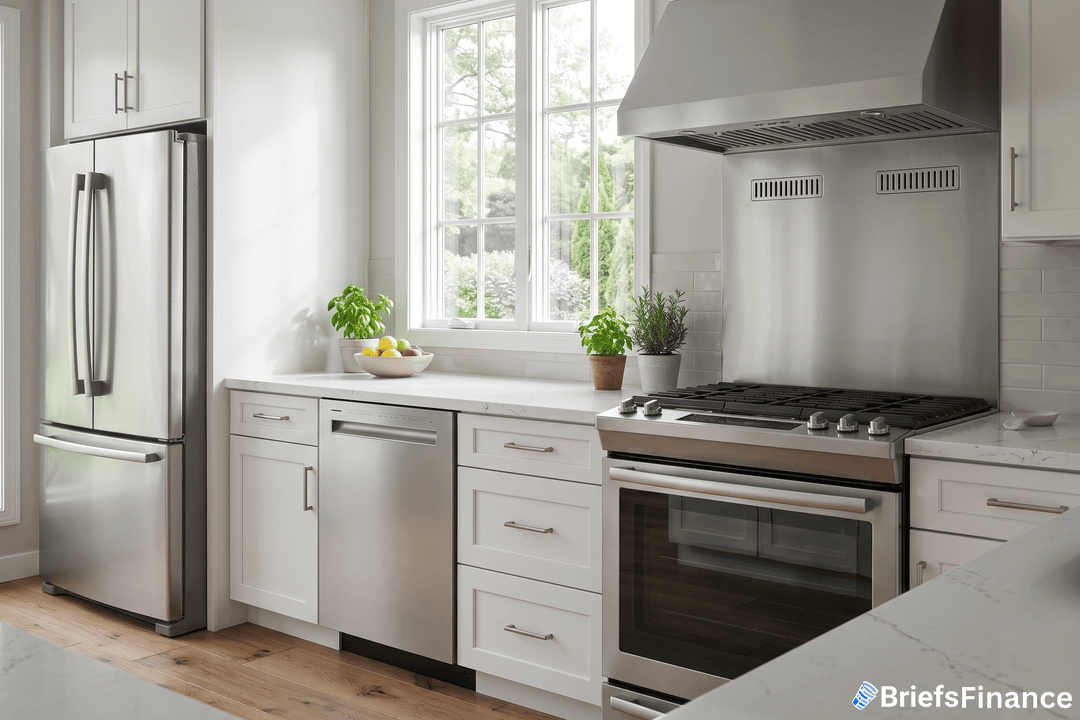
President Trump has long called appliance efficiency rules "unnecessary" and promised to "end this nonsense." His administration now has a plan to do just that. But consumer advocates say the rules save households about $160 a year and businesses billions annually. The Energy Department's 192-page proposal would make it nearly impossible to create new standards.
The proposed rule from the Energy Department was published on July 2, 2026. It does not cancel any current efficiency standards already in place for appliances like refrigerators, dishwashers, and water heaters.
Instead, it would prevent any updates to existing rules or new rules for other products. The department's own language says the goal is to "permanently end" such mandates.
Energy Secretary Chris Wright blamed past mandates for driving up costs. "For too long, the American people paid the price for mandates that restricted consumer choice and drove up costs," he said.
Wright added that President Trump promised to "end this nonsense and that is exactly what we are doing."
Supporters of efficiency rules say the potential savings are huge.
Get your free investing masterclass bonus when you join Market Briefs, our free daily newsletter
The Appliance Standards Awareness Project warns that "major energy savings could be at stake" if the proposal takes effect. These efficiency mandates trace back to laws enacted under former President George W. Bush and fellow Republican administrations.
They argue that blocking future updates will stop progress that has already saved consumers billions.
Many current appliance standards were set under bipartisan laws. Former President George W. Bush signed those laws, which created efficiency requirements for refrigerators, dishwashers, and air conditioners.
Advocacy groups say those rules have worked well. They note that the average household saves about $160 a year, and businesses save billions.
These bipartisan standards have been updated regularly over the years, gradually increasing efficiency requirements for refrigerators, dishwashers, water heaters, and air conditioners. The Department of Energy previously projected that past updates saved consumers tens of billions of dollars in energy costs. Consumer advocates argue that halting updates would lock in current efficiency levels, preventing further innovation and cost reductions.
The proposal is just a first step. It must go through a public comment period before it can take effect. That comment period is expected to run for 60 days, giving industry groups and consumer advocates time to submit their positions. A final rule could be issued by the end of the year.
If finalized, no new efficiency standards for household appliances would be created. Advocacy groups say the move could cost consumers and businesses real money.
Subscribe to Market Briefs, our free daily newsletter, and claim your bonus investing masterclass