The OECD doesn't usually swing for the fences. This week it did.
In its latest outlook, the Paris-based group of advanced economies laid out two paths for the global economy.
The mild one is bad. The other would be the worst slump the world has logged in four decades - with only COVID and the 2009 financial crisis as worse comparisons.
The variable that decides which one we get? The Middle East.
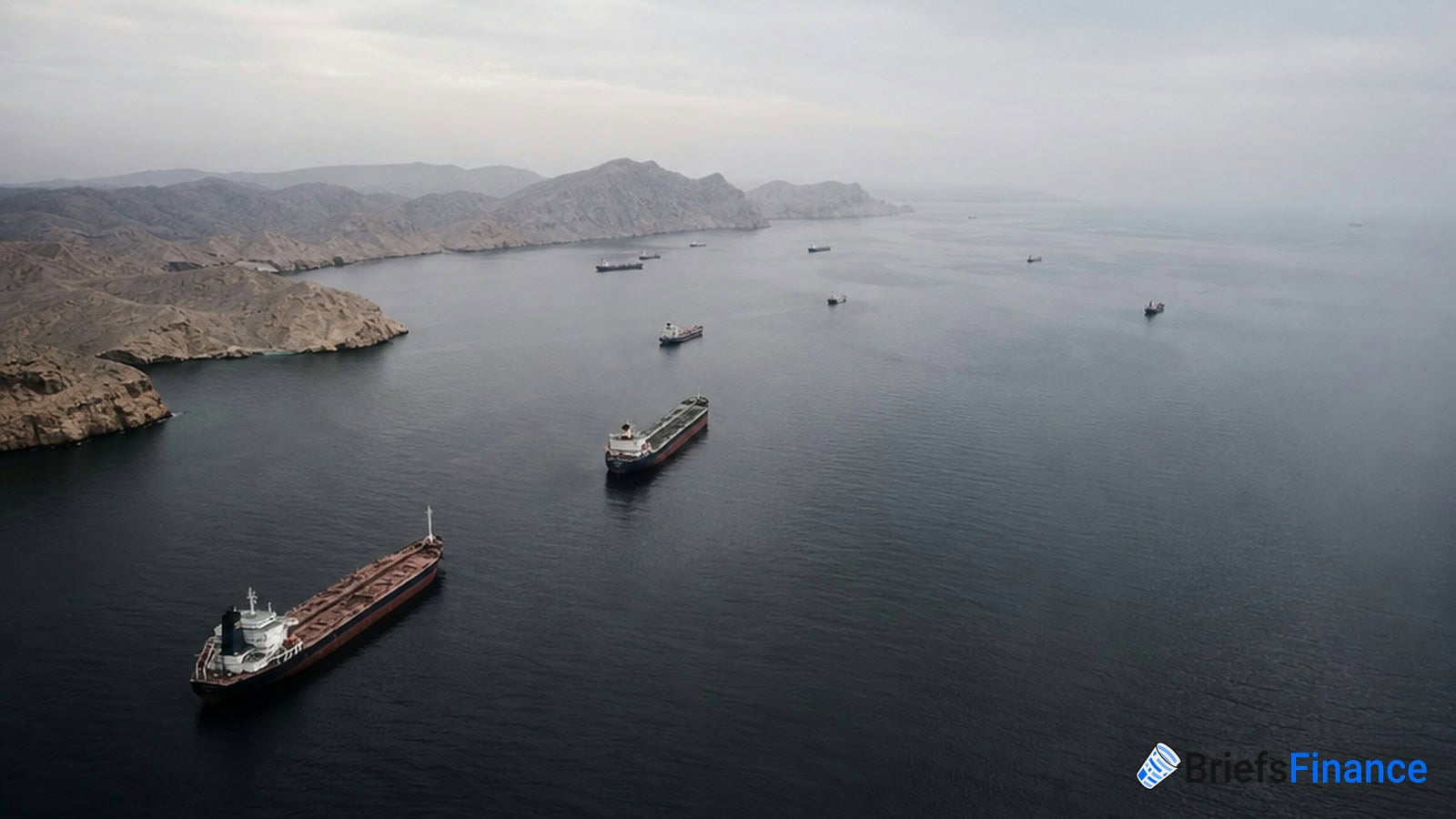
The OECD's bleaker scenario assumes the conflict drags on and disruption around the Strait of Hormuz stretches into 2027.
Under that path, global growth drops to 1.8%, sending several economies into recession or close to it.
Unemployment climbs as investment dries up - including in AI, the one sector currently holding up earnings expectations across the developed world.
Inflation runs hotter by 1.3 percentage points by 2027. That's a meaningful jump when central banks have spent two years trying to crush the last round of price increases.
"The conflict in the Middle East has become the dominant force shaping the global economic outlook," chief economist Stefano Scarpetta said.
We track the macro shifts that actually move portfolios in Market Briefs - five minutes every morning, plus a free investing masterclass when you join.
When the global economy stumbles, governments spend and central banks cut rates. Both options are limited right now.
Governments are sitting on high public debt from the COVID era.
The OECD said spending will probably do most of the heavy lifting, but warned that the broad energy support many countries rolled out is making the supply crunch worse - by encouraging people to use more energy when there isn't enough to go around.
Central banks face the opposite problem. In the worst-case scenario, the OECD expects rates to rise by half a point to three-quarters of a point across most countries before getting cut again in 2027.
And if markets tighten severely? The OECD said central banks may have to stop shrinking their bond holdings - or restart quantitative easing, which means buying bonds again to pump cash into the system.
For the European Central Bank, that could mean rebooting long-term refinancing operations.
That's the playbook from 2008 and 2020. The OECD is openly discussing it again.
The whole forecast hinges on the Strait of Hormuz, where optimism around a US-Iran deal keeps getting punctured by fresh threats and diplomatic setbacks.
Watch oil prices and shipping insurance rates. And listen for how central bankers talk about "second-round effects" - the term they use for when one-time price shocks start bleeding into wages and broader prices.
The OECD's mild scenario assumes a quick resolution, while its bleak one assumes the disruption sticks.
No one in Paris or Washington can tell you which one is coming.
If you want this kind of read on the macro picture every morning, join 350,000+ investors reading Market Briefs - you also get a 45-minute investing course as a bonus.