Oil traders got a breather this week. A six-week war that killed thousands and sent crude above $150 per barrel just got a two-week pause.
But missiles were still flying from Iran even after the deal kicked in. The ceasefire is real - the relief is temporary.
Pakistan brokered the truce in the final hours before a Trump deadline that threatened to wipe out Iranian infrastructure. The core condition: Iran must fully reopen the Strait of Hormuz - the narrow waterway that funnels roughly one-third of all seaborne crude between Iran and Oman.
But Iran's response left room for interpretation. Officials said passage is "possible" after coordinating with its armed forces and accounting for "technical limitations."
Matt Gertken, chief geopolitical strategist at BCA Research, warned that language is dangerously vague: "Fighting will ignite later this year, if not later this month." Delegations from both sides will meet in Islamabad on Friday.
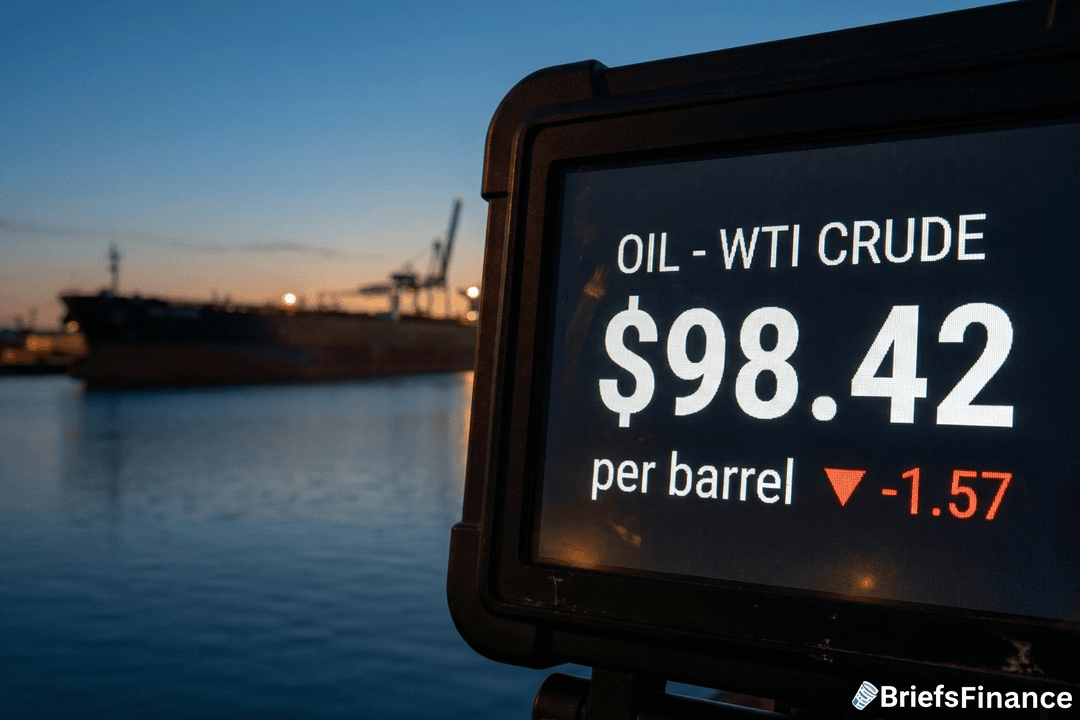
The war sent oil from around $70 per barrel to above $150 at its peak. This week's ceasefire pulled crude below $100 for the first time since February.
That sounds like relief - until you realize oil is still nearly 50% more expensive than before the fighting started. Think of it like a rubber band stretched too far - it doesn't snap back to where it started. Governments worldwide are hoarding fuel and restocking reserves in case conflict resumes.
That stockpiling has created a structural price floor well above historical norms.
A geopolitical strategist at the Economist Intelligence Unit described the deal as "a huge relief" but warned it remains "a very fragile arrangement."
Both sides carry deep mistrust. Israel agreed to suspend strikes but wants deeper Iranian concessions, including surrendering enriched uranium.
Iran wants the U.S. to accept its enrichment program and lift all sanctions. The bottom line: this ceasefire buys time. It doesn't buy peace.
Friday's talks in Islamabad will signal whether this pause has legs. Watch oil prices for any spike above $105 - that would suggest markets are losing faith.
The Strait of Hormuz reopening timeline matters most. Even a partial delay could trigger another oil rally.