Oil spiked more than 5% on Monday. Then it eased back.
The cause was a familiar one: Iran and Israel are trading fire again.
For investors, the Middle East and the price at the pump move together. So when that region flares up, energy markets feel it first.
Higher crude can mean pricier gas, airfares, and shipping. That is why a flare-up far away can still hit your wallet.
It also rattles stocks tied to fuel costs, like airlines. Energy is one of the most news-driven corners of the market.
A single headline can swing prices in minutes.
Iran and Israel traded strikes Sunday night. It was the first time since a shaky ceasefire in mid-April.
Iran fired missiles toward northern Israel. It accused Israel of breaking the truce with strikes on Lebanon.
Israel said it hit "strategic defense systems" in return.
The two sides had been quiet since April. That truce was always shaky, and now it has cracked.
Iran has since said it stopped its attacks. But it warned it will start again if Israel keeps striking Lebanon.
In short, the calm is fragile, and it could break at any moment.
That doubt is what rattled oil. Traders worry the fight could choke off supply, since the region pumps a huge share of the world's crude.
Brent crude is the global price marker. It jumped about $4.60 a barrel overnight.
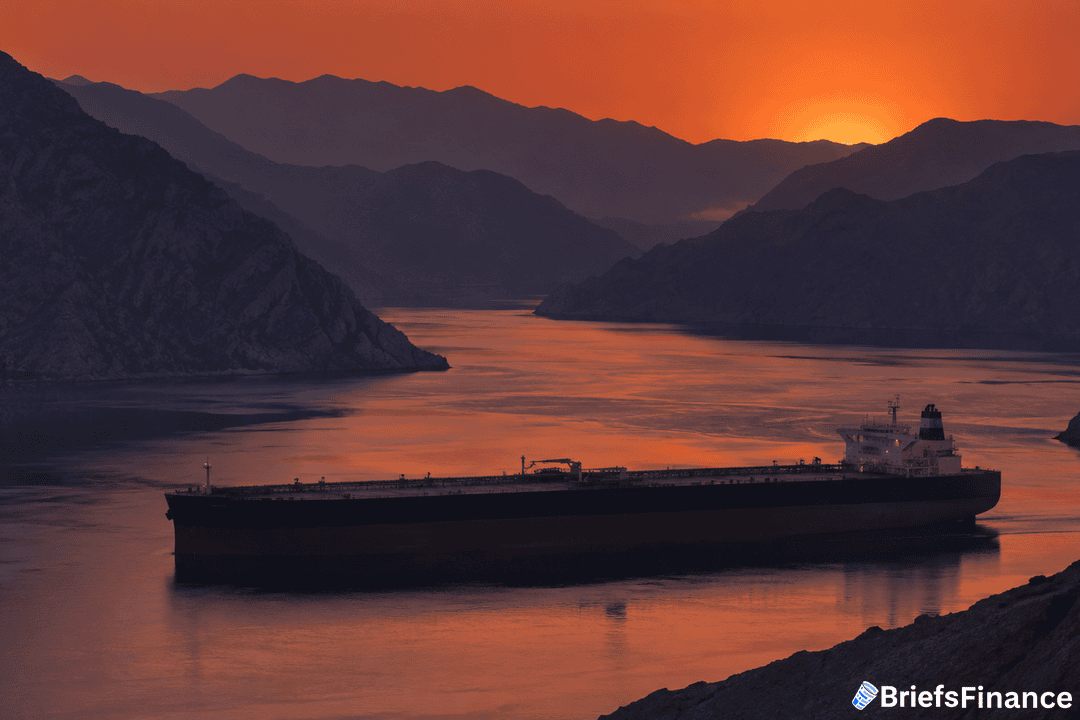
The Gulf of Oman sits right next to the Strait of Hormuz. A big slice of the world's oil ships through there.
Any threat to it puts traders on alert.
We turn market-moving news like this into plain English every morning in Market Briefs, and you get a free investing masterclass when you join.
President Trump said both sides want an "immediate" ceasefire. He posted that peace talks are moving along.
He also said a U.S. blockade of Iranian ports in the Gulf of Oman stays put until a final deal is reached.
A blockade keeps ships from moving oil in and out. That alone can keep traders on edge.
The other side sounded less sure. An Iranian official called a deal "no longer feasible at this stage," and blamed Trump for the latest flare-up.
The war crossed its 100-day mark on Sunday. That is far past the four to six weeks Trump first predicted.
The longer it drags on, the more the oil market frets.
When conflict spikes, investors often look to safe-haven plays like gold. They use them to steady a portfolio.
Oil is the lifeblood of the world economy. When its supply looks shaky, prices can jump fast.
Oil pulled back from its highs, and that is the tell. Markets are betting the worst stays contained for now.
That bet holds only as long as the ceasefire does. And that is the one thing nobody can promise.
If you want market news like this every morning, sign up for Market Briefs, and a 45-minute investing course comes free with it.