The deal had seemed close. Each side says the other moved the goalposts at the last minute.
U.S. Trade Representative Jamieson Greer told CNBC's "Squawk Box" that Canadian negotiators asked for more in the final hours. "In the last hours, I think there were things that the Canadians just - you know, they wanted more," he said.
Trump was blunter on Truth Social. He wrote that they feel entitled, and that the U.S. does not need Canada, while Canada needs the U.S. He also said "Canada will be treated like a State no longer!" and described the country as "among the worst Nations in the World to deal with." In the same post, he claimed Canada does 95% of its business with the U.S., not the other way around.
On Saturday, the U.S. imposed tariffs/) of 50% on approximately $20 billion worth of Canadian products, including hockey sticks, wine, and cement.
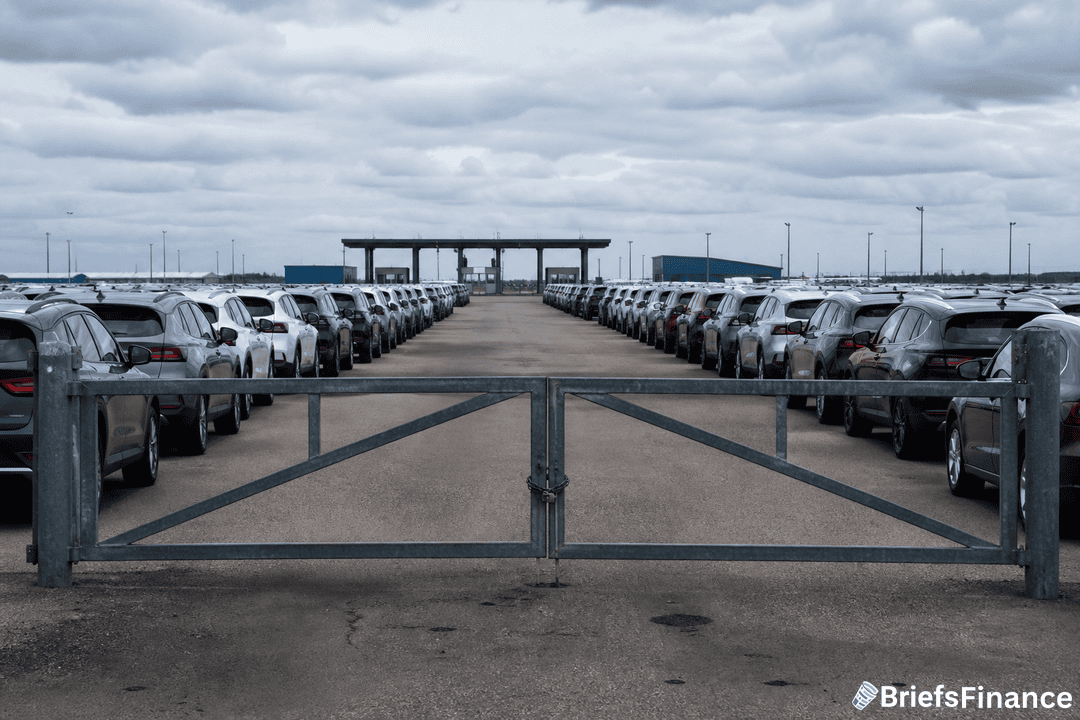
Here is the part that matters for anyone who drives. Canada does not sell many cars at home. New-vehicle sales in Canada came to fewer than 2 million in 2025, compared with more than 16 million in the U.S. That means Canadian factories depend heavily on American buyers.
Trade headlines can rattle anyone, so grab the free Always Be Buying E-Book and build wealth steadily on any income
GlobalData says roughly 861,000 vehicles made in Canada - about 5.4% of North American output - were sold in the U.S. in 2025. That is a lot of cars that would suddenly cost more.
The automakers most exposed are not the usual suspects. Each one built more vehicles in Canada than Ford, Stellantis, and General Motors did combined. Detroit has been pulling back from Canada while the Japanese giants expanded.
The bigger headache for every automaker is uncertainty. Their supply chains depend on tariff-free cross-border trade, and a single component can cross the border multiple times during production. Each crossing could now face a tariff hit.
That is not a small problem. It is a cost that will show up somewhere, and it usually shows up in the sticker price.
Deals can still be reached. Talks can restart. The date may be a negotiating lever as much as a real deadline.
But the pattern matters more than the date. Tariff threats have been shifting quickly, and automakers cannot easily move their factories in response. They have to plan years ahead. That kind of uncertainty tends to raise costs, and automakers tend to pass costs along.
If you are in the market for a vehicle in the next couple of years, keep an eye on where it was built and how much of its supply chain crosses the border. A 50% tariff on Canadian-made cars would not just hit Toyota and Honda. It would ripple through the whole market, because competitors tend to adjust prices when someone else's costs jump.
For now, the smart move is to watch, not panic. Trade fights this loud often cool down before the deadline. But if this one does not, the price of a new car could be one of the first places you feel it.
When tariffs make markets messy, remember that consistent investing wins, and the Always Be Buying E-Book explains that system