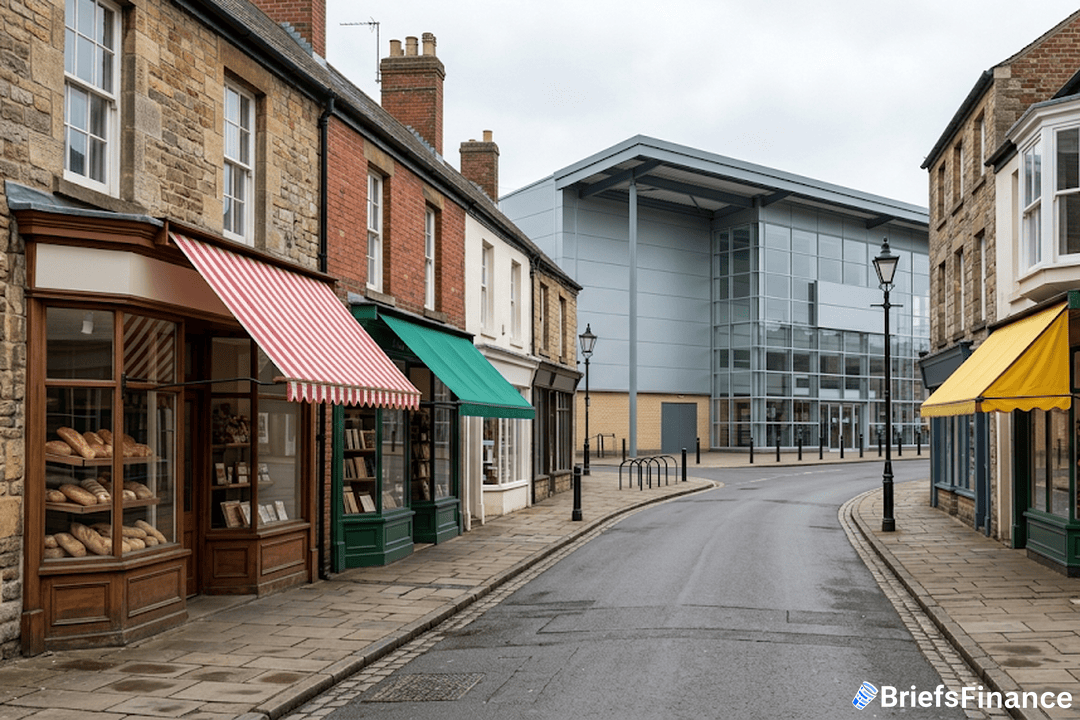
Small independent shops have long struggled under the weight of business rates - a property tax that must be paid regardless of trading performance. Now, the UK government is proposing a significant shift in how this burden is distributed.
Prime Minister Andy Burnham and Chancellor John Healey intend to reduce rates for smaller enterprises in their first budget, scheduled for October. To fund this relief, they plan to increase taxes on large companies that own extensive property, such as Amazon. Burnham is touring the country to promote the plan, and his summer outreach has included stops in the West Country to speak with independent shopkeepers. He has stressed his commitment to listening to entrepreneurs, saying, "I'm listening to small business owners so we can work together to deliver jobs and growth in every postcode."
The previous administration, led by Keir Starmer, had raised payroll taxes - a move widely blamed for a slowdown in hiring. The new approach takes a different route, focusing on property rather than employment. Burnham has also called for a review of the small business relief threshold, currently set at properties valued under £15,000 (about $20,230). He suggested that higher rates could be applied to warehouses and large out-of-town retail developments, thereby easing pressure on pubs and high-street shops.
Get the free Always Be Buying eBook and learn the simple system for building wealth on any income
Already, the government has announced a 20% rate cut for pubs, clubs, and small live music venues, financed by tightening tax reliefs for what officials describe as "anti-social" business practices and by increasing VAT on online marketplaces. However, detailed proposals for taxing warehouses and larger firms have not yet been published.
The British Retail Consortium (BRC) is strongly opposed. The group argues that big retailers would likely pass the added cost on to consumers. According to the BRC, retail already contributes 20% of all business rates revenue while generating only 5% of UK economic activity. Helen Dickinson, the BRC's chief executive, warned, "Funding rates reform by adding even more taxes to an already overburdened industry will ultimately mean struggling families foot the bill through higher prices." She also said retail is carrying the largest single share of business rates across all sectors, from high-street stores to distribution centres, and that loading on extra taxes would undermine investment and job creation.
There is also a technical complication. The former chancellor, Rachel Reeves, had introduced a lower tax rate for properties under £500,000 and a higher rate for those above. The new proposal might accidentally hit supermarkets and large distribution hubs - not just online retailers - if the threshold is not carefully calibrated. Estimates of the revenue from such a levy range from around £250 million to £1 billion, with the final total depending on how the rules are defined.
The Federation of Small Businesses (FSB) supports the plan, calling for close to a doubling of the relief threshold from £12,000 to £25,000. The FSB says that owing to frozen thresholds, more than 100,000 firms have been brought into the tax over the past decade. Craig Beaumont, an executive director at the FSB, said the change could help as many as 250,000 businesses, with particular benefits for the North West, North East, Yorkshire, and the South West - regions that align with Burnham's political base.
For shoppers, the outcome remains uncertain. Higher taxes on large retailers could translate into higher goods prices and delivery fees. For small business owners, the missing reduction in fixed cost run could mean the difference between staying open and closing down. The final decision on where the line is membership between a "small shop" and a "giant warehouse" will determine who benefits and who pays.
As the government finalizes its budget, both sides are pushing hard. The retail sector warns of unintended consequences, while small-business campaigners say the reform is long overdue. The coming months will show whether the plan succeeds in supporting local economies without hitting consumers' pockets.
Download the free Always Be Buying eBook and start putting your money to work today