Risk premiums on below-investment-grade airline debt are now around 400 basis points, exceeding their level at the start of the year by more than twofold. Investors are asking for richer payouts to hold notes from names like JetBlue Airways Corp. and American Airlines, which has pushed up funding costs.
The divergence showed up early in 2024. United Airlines Holdings Inc. sold $2 billion of bonds in two February offerings before the war began, while Alaska Air Group Inc. tapped markets for $500 million in May. Even with nearly the same BB ratings, Alaska had to offer 6.5% on a five-year deal, compared with the 5.375% yield on United's $1 billion five-year slice.
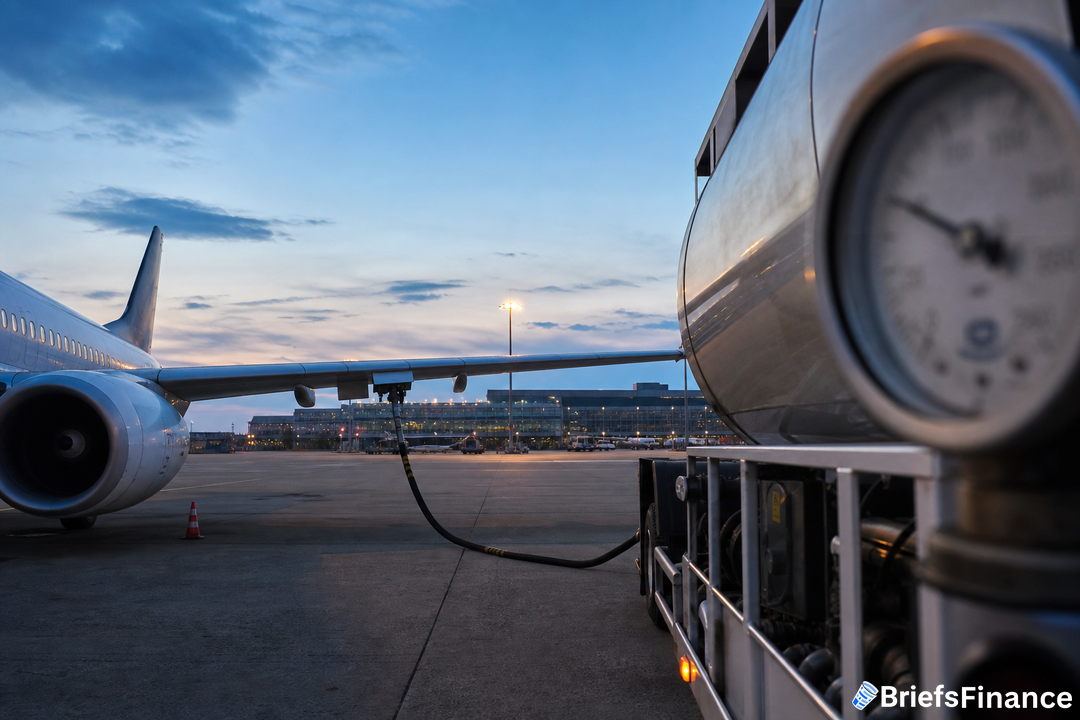
As the conflict involving Iran intensifies, jet fuel prices have jumped, and Gulf Coast benchmarks reached their highest in months this week. Because fuel sits alongside labor as one of the biggest line items for carriers, lenders see more risk when energy costs climb. "Roughly 20% of costs are jet fuel," said Joseph Rohlena, lead analyst for North American airlines at Fitch.
A global refining squeeze - tied to wars in Ukraine and the Middle East - could keep fuel elevated. Chad Campbell, a Barings managing director who covers sub-investment-grade names in industrials, transportation and aviation, said that uncertainty points to higher costs for refinancing and new borrowing ahead. "Now, with the conflict escalating and lasting longer than anticipated, future borrowing transactions are likely to require a premium to compensate for heightened risk," he said.
Big networks have more levers. United, like Delta, said strong demand, especially for premium cabins and international trips, is helping counter higher costs, even as large U.S. airlines have trimmed earnings outlooks. Carriers have also pushed through higher prices: Delta Air Lines Inc. and JetBlue Airways saw revenue per available seat mile climb 11% in the second quarter versus a year earlier. In July, Delta Chief Executive Officer Ed Bastian said fares will likely stay elevated.
Smaller domestic players serving price-sensitive travelers have less room to pass along fuel spikes. "The fare increases have been quite successful," said Savanthi Syth, an equity analyst who covers airlines at Raymond James. But she added, "we do wonder what happens to the JetBlues and the Frontiers of the world if things get worse or stay really bad in terms of jet fuel prices." The strain has already shown up: following a rocky stretch that included multiple bankruptcy filings, Spirit Aviation Holdings Inc. halted operations earlier this year.
When costs and conditions change, steady habits matter, so get the free Always Be Buying E-Book
With little relief showing up in fuel markets, bondholders are dissecting balance sheets at the smaller end of the industry. JetBlue's 9.875% notes secured by its loyalty program slid to roughly 84 cents per dollar in July from about 104 cents in February, after the company asked investors to an August session focused on liquidity and its balance sheet. After the 2031 notes rebounded partially in the wake of the company's second-quarter earnings call held later that month, they were back down to about 84 cents by Thursday.
Those JetBlue bonds account for 12% of the high-yield airline bond index, the second-largest weight. The company is prioritizing revenue growth and cost discipline since fuel is outside airlines' control, said spokesperson Derek Dombrowski.
Volatile prices make it tough to know how long wider spreads will last. "They feel more confident about the bookings that they're going to get for the next six months of the year," said Geoffrey Wilson, an analyst at S&P Global Ratings. "The one thing that remains the big uncertainty is fuel costs."
Airline borrowing is getting pricier, and the fuel wildcard is keeping pressure on smaller, more domestically focused carriers. Debt from these names is already feeling it, while larger players are leaning on premium seats and long-haul routes to cushion the blow. If you are exposed to airlines, expect funding costs and bond prices to keep reacting to fuel headlines and any further flare-ups in the conflict. Keep an eye on upcoming deals for the risk premiums Campbell flagged.