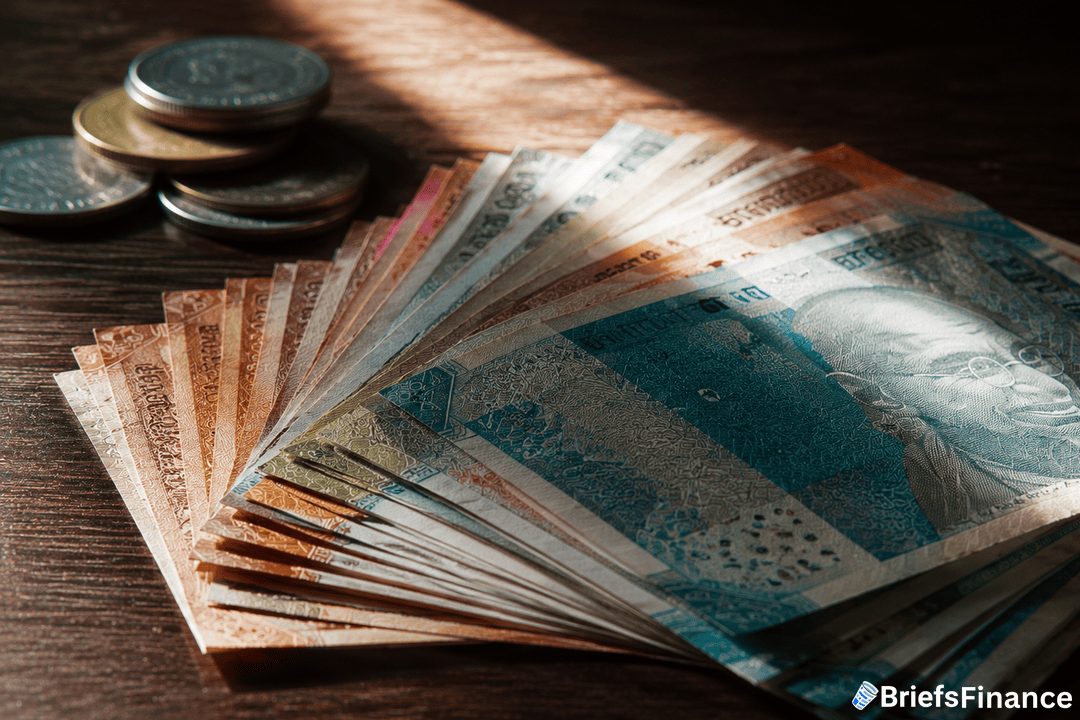
The Indian rupee just had its best day in more than a month, and the country's central bank is the reason why.
The dollar sales began once the rupee reached 96.15 against the greenback, and it kept pushing the currency higher.
The move did not come out of nowhere. The rupee was already getting a natural lift from falling crude oil prices, as tensions in the Middle East began to ease. Lower oil prices are a big deal for India, which imports most of its energy. Additionally, RBI Governor Sanjay Malhotra informed the Hindu Business Line that the bank's initiatives to lure foreign investments received a robust uptake, as banks raised $32 billion mainly through foreign currency deposits.
HDFC Securities currency analyst Dilip Parmar said, "The RBI stepped in when there were already tailwinds from lower crude, a fall in the dollar index, and the Governor's comments."
Central banks do not always step in when their currency is rising. But the RBI had good reason to amplify the move.
Get the market news that matters in a five-minute read with Market Briefs, our free daily newsletter
When a currency strengthens, it can help tame inflation by making imports cheaper. For India, that matters a lot because higher oil prices tend to drive up costs across the economy. By selling dollars at 96.15, the RBI essentially said it was comfortable with the rupee getting stronger from there, and it was willing to push it further.
This is not the only tool the RBI has used lately. That is a big pool of money that gives the central bank more flexibility to manage the rupee's direction.
The timing also mattered. The dollar index - which measures the greenback against a basket of major currencies - was falling that day, making it cheaper for the RBI to sell dollars without losing too much value. And with crude oil down sharply on reduced worries about a wider war in the Middle East, the stars aligned for a coordinated push higher.
One good day does not change the bigger picture.
Why does that matter for investors? If you hold Indian stocks or bonds, a weaker rupee eats into your returns when you convert them back to dollars. On the flip side, if you are looking to invest in India, a cheaper rupee can make those assets look more attractive to foreign buyers - as long as oil prices cooperate.
The real story going forward is not this one intervention. It is whether oil prices stay low and whether the RBI keeps stepping in to support the rupee. Market watchers are paying close attention to both. An RBI spokesperson did not respond to a request for comment, so the central bank is not tipping its hand.
For now, the rupee got a solid lift. But with oil and geopolitical risks still in play, this could be a short breather rather than a lasting turnaround. Investors with exposure to India should keep an eye on crude prices and the RBI's next move - because those two factors will decide whether today's pop becomes a trend or just a blip.
Join Market Briefs, our free daily newsletter, for a quick daily rundown of the markets