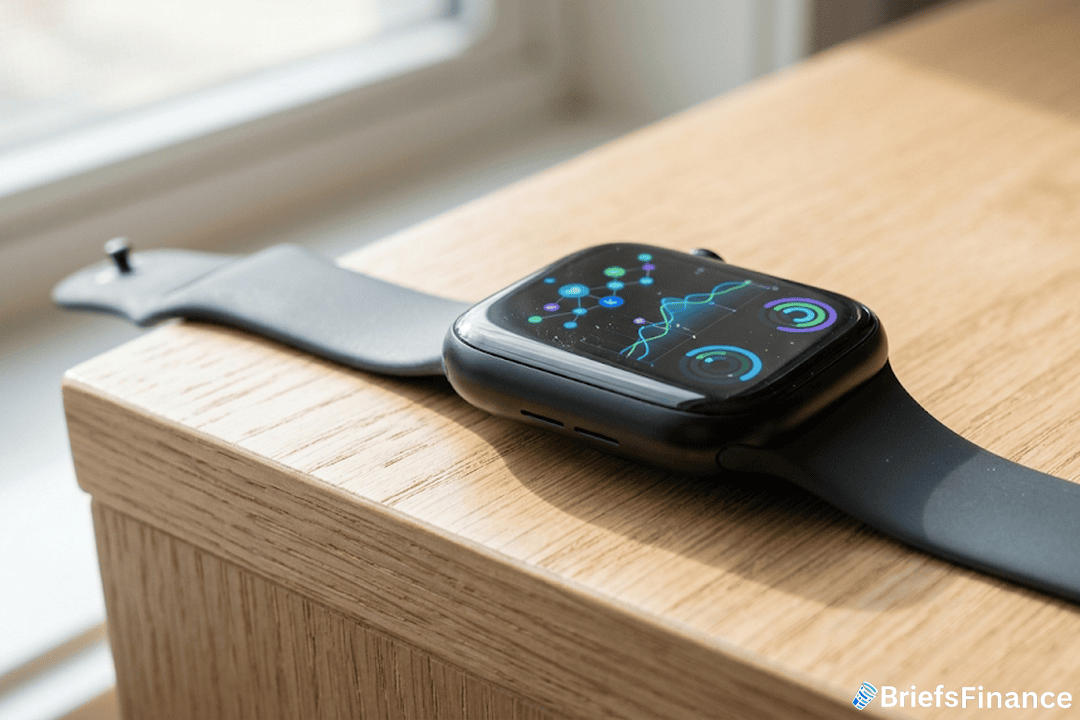
It might not look like a battle for your wrist. But the fight over who runs your health data is getting crowded.
The announcement came July 21.
The company is not the first to try this. Whoop already integrates an AI coach directly into its screen-free fitness bands. Oura, the leading smart ring brand, offers something similar.
Fitbit, now owned by Google, just launched Fitbit Air. And Apple is reportedly working on its own version of a health assistant.
So why jump in now? Samsung thinks it has an edge that the others do not. Most competitors rely on one device - a ring, a band, a watch.
Samsung has an entire ecosystem. Your phone, your watch, your smart lights, your refrigerator - all of them can feed data into one system.
Get the market news that matters in a five-minute read with Market Briefs, our free daily newsletter
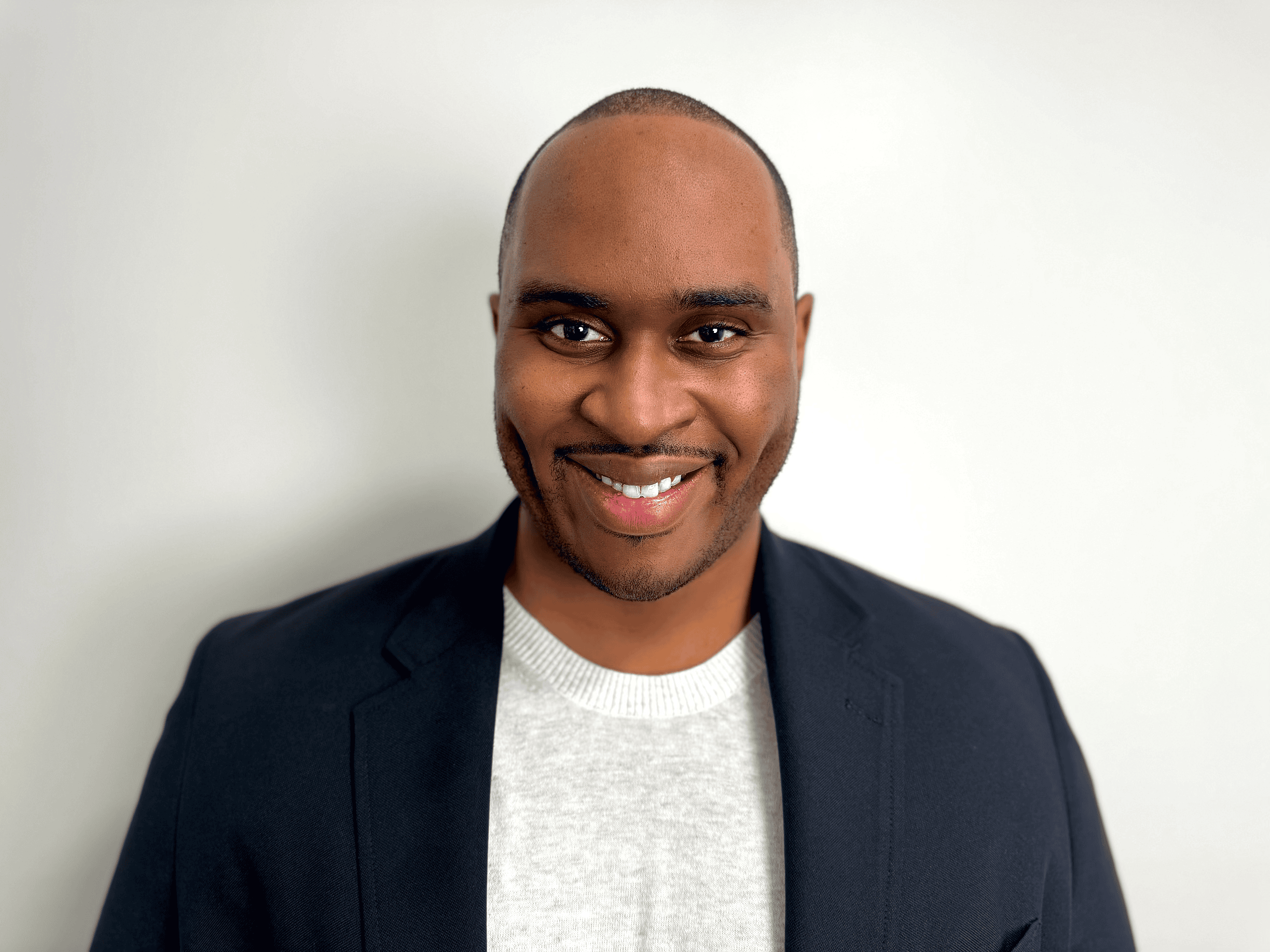
The senior vice president in charge of Samsung's digital health unit, Dr. Hon Pak, offered a straightforward explanation. "With connected devices - that data, that awareness - will eventually inform how we go about engaging with users in a way that is more contextualized."
Context is the key word here. The new assistant does not just track steps or heart rate. It looks at the bigger picture.
The company gave a specific example. Say your smart lights stay on until 11:30 p.m. The system might infer you went to bed late and adjust your sleep recommendations the next day. It connects dots that a standalone device cannot see.
That kind of personalization is the goal. But it also opens the door to mistakes. If the AI gives bad health advice, the consequences are serious. To mitigate such risks, Samsung is partnering with major health authorities including the NIH, CDC, and MIT.
"For now, we're putting guardrails around all of that," Dr. Pak said.
Users can opt in and try the assistant while Samsung works out the kinks.
This follows Samsung's 2025 acquisition of Xealth, a company that connects hospitals to wearable data. Dr. Pak outlined a scenario where physicians could order behavioral changes like tracking blood pressure, increasing physical activity, or adopting a low-sodium diet, with the system automatically monitoring adherence.
"That result will go back to the doctor without patients really doing anything other than accepting that order," he said.
Future updates will add features like Vitals, Daily Cardio Load, a Heart Health Score, Vascular Load, and a Fitness Index.
The market is crowded, and the technology is hard to get right. AI health advice that is wrong could do real damage, and Samsung is moving carefully with its medical partnerships and beta testing.
Join Market Briefs, our free daily newsletter, for a quick daily rundown of the markets