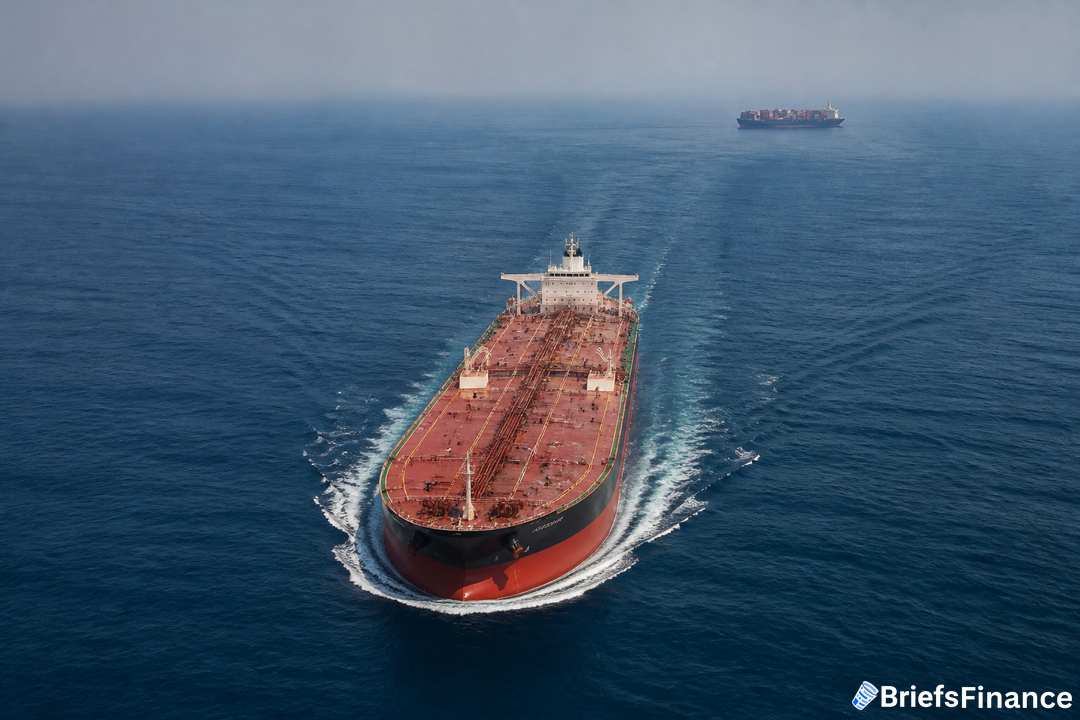
Saudi Arabia is altering how it delivers oil to China - and the new approach could lead to more stable fuel prices globally. The world's largest crude exporter recently finalized a 4 million barrel sale to PetroChina that will load outside the congested Hormuz Strait, marking the second such shipment arranged this month.
Historically, nearly all Gulf oil exports traversed the Hormuz Strait, a critical waterway handling one-fifth of global supplies. But Saudi Arabia is increasingly diverting heavier crude grades that can't use its cross-country pipeline to alternative loading points along Oman's coastline.
The latest transaction involves Arab Medium and Heavy crude varieties that previously had no alternative to Hormuz transit. "Chinese refiners are becoming more willing to accept Middle Eastern barrels when they can be transferred outside the highest-risk zones," said Emma Li, an analyst at Vortexa.
This logistical shift reflects growing concerns about potential disruptions at the narrow Hormuz chokepoint, where tanker traffic has faced periodic threats from regional tensions. Alternative loading points provide importers like China with greater supply security without requiring costly pipeline expansions.
After seeing imports dip below normal levels of about 12-13 million barrels daily during recent supply disruptions, China is now replenishing inventories while avoiding logistical bottlenecks. The shift comes as analysts project the country's crude purchases will gradually increase to between 1.2 million and nearly 10 million barrels per day by late 2026 as economic activity recovers.
Saudi Arabia's strategic oil moves highlight smart planning, just like the simple system in our free Always Be Buying E-Book for steady wealth building
When the planet's biggest oil importer modifies procurement strategies, ripple effects follow. Increased shipments avoiding Hormuz could yield:
While current volumes remain modest, sustained adoption of this trade pattern could permanently reshape Asia-bound oil flows from the Middle East - potentially benefiting consumers through greater price stability at fuel pumps worldwide. The rerouted shipments also demonstrate how major exporters and importers are collaboratively developing solutions to mitigate shared supply chain vulnerabilities.
The growing preference for Oman-based loadings suggests Saudi Arabia may expand infrastructure investments along alternative export corridors. Such developments would further diversify global oil trade routes while reducing systemic risks associated with overdependence on single maritime passage points like Hormuz.