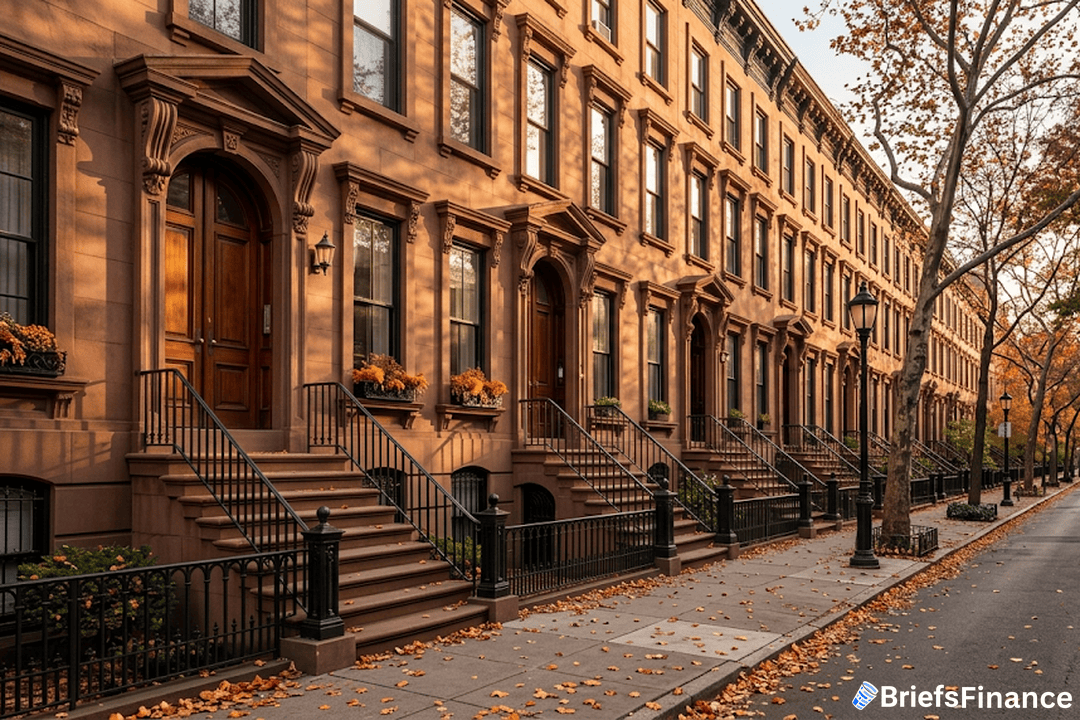
New York City's new pied-a-terre tax targets expensive homes that are not primary residences. In plain terms, it hits people who own a pricey place but do not live there full time.
The starting price depends on the type of property. For a single-family home, the tax kicks in at $5 million.
For an apartment, the cutoff is $1 million. That puts owners of luxury second homes in the crosshairs.
There is an exit hatch. A property is exempt if the owner lives there as a primary residence or rents or leases it to someone who lives there full time.
That sounds simple, but proving it has turned into a paperwork marathon. Renting to a full-time tenant counts, too, and that requires proof as well.
The trouble started before the filing deadline arrived. The Finance Department mailed warning notices starting July 23.
About 17,000 New York City addresses received one. Those notices told owners they might owe the tax on a high-value non-primary residence.
The Finance Department says about 2,000 owners have completed their exemption applications. That is roughly 12% of the warning notices the city mailed.
Another 4,800 owners had at least started their paperwork. So the interest is there, even if the finished forms are not.
Get the free Always Be Buying eBook and learn the simple system for building wealth on any income
Then came the data dump. In July, the city published a spreadsheet listing nearly 1 million residential properties as possibly taxable.
The spreadsheet included hundreds of thousands of homes below the tax value cutoffs. It also included owner names and addresses for properties listed as primary residences.
New York City usually publishes property owner rolls during its annual assessment process. This time, the timing and the messaging confused tax attorneys, real estate lawyers, property owners, and some elected officials.
The sheer size of the list made the rollout feel even messier. It pulled in homes that looked like they did not belong.
The original window was tight, and owners said so. They needed more time to gather documents.
The city added four weeks to the filing window. That gives owners room to collect deeds, leases, proof of residency, and tax records.
The new deadline is September 18. For a pricey home, those documents can be spread across years.
A warning notice is not a final bill. The exemption process is there to sort out who really owes the tax.
The tax rules did not change with the extra time. Owners still have to meet the same exemption standard.
Mayor Zohran Mamdani has backed the city's public outreach even though the rollout has been rocky. That support matters because it signals the city wants people to use the exemption, not fight over it later.
This is not just a story about the wealthy. It is a story about how a tax can start with a form and end with a bill.
For anyone with money in New York real estate, the same warning could show up in the mail. The question is whether the owner can prove the property qualifies for an exemption by September 18.
If the owner uses the property as a primary residence or rents or leases it to a full-time resident, the tax goes away. If not, the tax may stick.
About 2,000 owners have completed their exemption applications. That leaves a lot of paperwork pending, and the clock is ticking.
The next few weeks will show how many owners can get their documents together. For now, the next move belongs to the property owner.
Download the free Always Be Buying eBook and start putting your money to work today