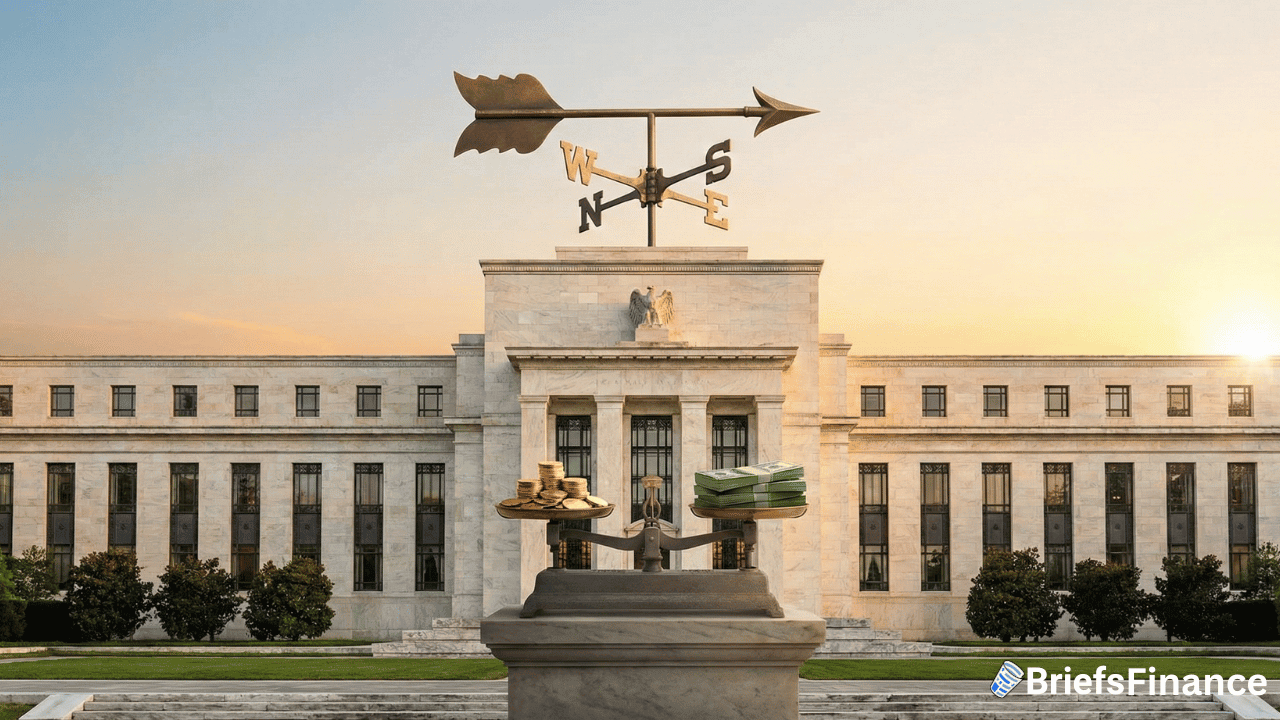
On January 30, 2026, President Donald Trump announced his choice of Kevin Warsh to succeed Jerome Powell as the chair of the Federal Reserve.
Warsh, who has served previously as a Fed governor, is expected to bring a new approach to the central bank's policies. If confirmed by the Senate, Warsh will start his term when Powell's ends in May 2026, which could lead to potential changes in monetary policy during the second half of the year.
Warsh's nomination aligns with Trump's long-standing push for lower interest rates. Analysts predict that Warsh will support cuts to the Fed's key benchmark interest rate later this year.
David Bahnsen, chief investment officer of The Bahnsen Group, stated that any nominee for the Fed chair role would likely favor short-term rate cuts given the current economic climate.
Recently, the Federal Open Market Committee decided to keep the benchmark interest rate unchanged.
This decision has left many Americans facing high borrowing costs with little hope for immediate relief. The Fed’s benchmark rate influences almost all consumer borrowing and savings rates, including credit cards and mortgages.
Mark Higgins, senior vice president at Index Fund Advisors, emphasized the importance of addressing inflation promptly.
He noted that history shows allowing inflation to remain high can lead to painful adjustments later. In the 1970s, the U.S. experienced significant inflation, peaking at around 15% in 1980, which forced the Fed to raise interest rates sharply to control it.
Warsh’s leadership could lead to a shift in how the Fed handles inflation and interest rates. As Trump's pick, Warsh's approach may focus on reducing borrowing costs to stimulate the economy.
However, as history indicates, failing to manage inflation effectively can lead to more severe economic consequences down the road. Consumers should remain aware of how these changes might affect their borrowing costs and savings rates.