A few hours before the threat, Trump was talking peace. He floated a deal with Iran that could be signed in two or three days.
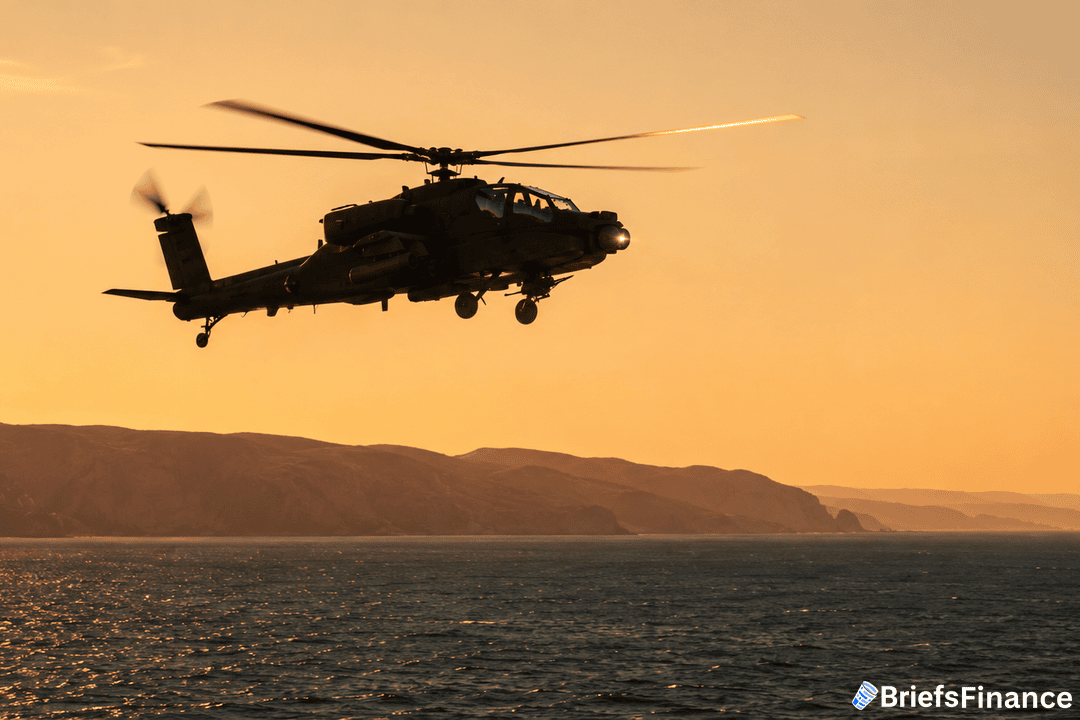
Then a U.S. Apache helicopter went down over the Strait of Hormuz. The tone flipped fast to "we must respond."
The aircraft was a U.S. AH-64 Apache. It went down near the coast of Oman on Monday evening, at 7:33 p.m. Eastern time.
That timing comes from U.S. Central Command. Two soldiers were on board, and Navy forces and the 82nd Airborne Division pulled both to safety within about two hours.
Then Trump pointed the finger at Iran. The pilots "are safe and uninjured," he wrote on Truth Social.
He added that the "United States must, of necessity, respond to this attack." He didn't say what that response would be.
His peace talk came late Monday night, after he left an NBA Finals game in New York. The war he wants to end crossed the 100-day mark on Sunday.
By contrast, Central Command was more careful. It stopped short of blaming Iran and said the cause is still under review.
One U.S. official said an Iranian drone hit the aircraft. Still, no one has confirmed whether that strike was on purpose.
The blame matters for markets, since a clear Iranian attack would raise the odds of a U.S. strike back.
When global news like this can move oil and stocks in a day, we explain what it means in plain English every morning in Market Briefs - it takes five minutes, and a free investing masterclass comes with it.
The spot is the whole story, because about a fifth of the world's oil moves through the Strait of Hormuz. Picture one narrow checkout lane that one in five barrels must pass through, and you get why traders watch it so closely.
When tension flares there, oil prices tend to jump. A jump like that is why a flare-up grabs investors fast.
Many of them lean on defense stocks when conflict heats up. It's the same smart money that moved into the sector all year.
Iran hasn't claimed the attack, but its officials weren't shy. Its state broadcaster mocked Trump on Telegram, posting, "So much for the Iranian military having been 'obliterated'!"
The country's parliament speaker added a warning of his own. "We prefer the language of diplomacy, but we speak other languages far more fluently," he wrote.
Any real response could pull the U.S. deeper into the fight. That risk is what keeps oil desks on edge.
The White House said it would put out a report on the crash. That report should show whether Iran gets the blame.
Whatever "respond" turns out to mean will set the tone next. And those are the same days Trump says could bring a peace deal.
A peace deal and a military strike don't usually land in the same week. This one might.
Get the daily brief here and you'll also pick up a 45-minute investing course as a bonus when you join Market Briefs.