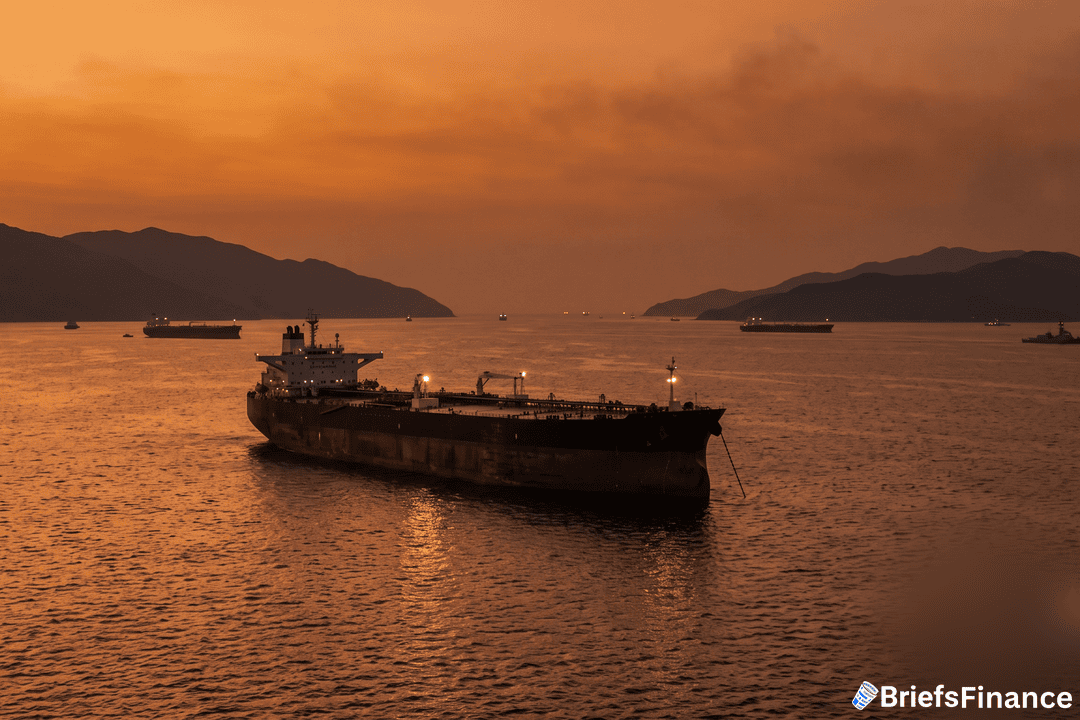
That license had allowed Iran to export its crude oil to international buyers. It was originally set to run until August 21, 2026. But the early cancellation came after Iran attacked three tankers in or near the Strait of Hormuz on the same day.
The special license, granted under the interim agreement, had allowed Iran to sell crude on global markets in exchange for curbing certain nuclear activities. Its early revocation marks a clear end to the temporary détente and signals that Washington is no longer willing to overlook Iranian provocations in the vital waterway.
The interim agreement had temporarily eased tensions, but Iran's attacks on tankers shattered that trust. Vessels now steer clear of the main central channel in the Strait of Hormuz after Iran planted mines there. The license revocation came after the attacks.
Get your free investing masterclass bonus when you join Market Briefs, our free daily newsletter
The attacks were not random. The Joint Maritime Information Center (JMIC), a U.S.-led naval group, reported the three tanker strikes and raised the threat level to "severe." They warned that hostile action by Iran is likely.
Michelle Wiese Bockmann, a senior maritime intelligence analyst at Windward, said, "This is part of this sporadic targeted campaign by Iran to destabilize that southern corridor and send a message to Gulf state producers that are not sending their oil via that northern corridor."
The southern route is protected by the U.S. and its allies. By attacking vessels that use the southern route, Iran hopes to force more oil traffic through its own corridor.
The Strait of Hormuz is a critical chokepoint for global energy supplies, with roughly one-fifth of the world's petroleum passing through it daily. Iran's campaign of harassment and mining directly threatens not only commercial shipping but also the fragile balance of oil markets already under pressure from supply disruptions. The revocation of the export license marks a significant escalation in U.S. economic pressure on Tehran, effectively cutting off its main source of foreign revenue.
Analysts warn that Iran may respond with further provocations in the waterway, potentially drawing in regional naval forces and raising insurance costs for shippers. The interim deal that had provided a brief window of calm now appears to be in tatters, with both sides returning to a posture of confrontation.
Subscribe to Market Briefs, our free daily newsletter, and claim your bonus investing masterclass