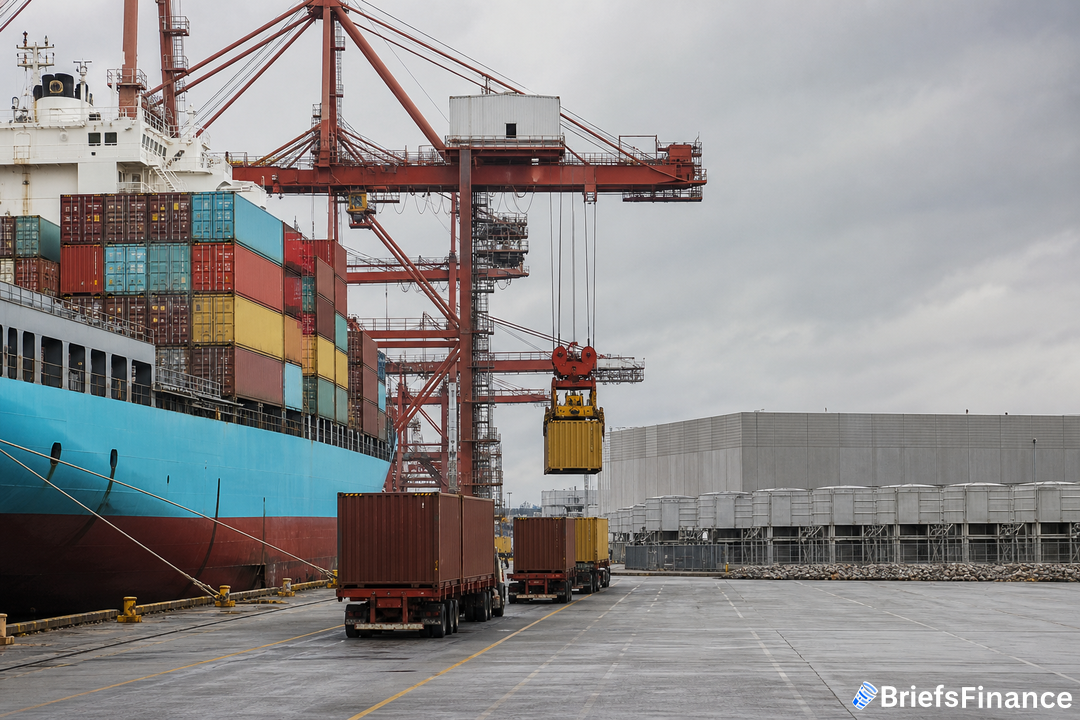
July's trade balance took a noticeable turn: the overall gap widened to $88.6 billion, up 24.4% from June. Imports rose 2.8% while exports fell 2.1%, putting the deficit at its widest since March 2025. Adjusted for inflation, the merchandise trade shortfall climbed to $106.4 billion, its highest reading since March of last year.
Companies are stocking up on gear to feed the AI buildout. Imports of capital goods jumped 11.4% in July, the strongest monthly increase since 1993. Within that bucket are items like PCs and their peripherals, semiconductors, and telecom equipment, while automobiles are not included.
The standout: computer accessories surged by $6.6 billion, the biggest monthly rise on record. Imports of computers, chips, and telecom equipment also picked up. The quickening pace lines up with the investment race in artificial intelligence, which has become a key driver of U.S. economic growth.
Even when headlines focus on shifting trade flows, steady habits pay off, so download the free Always Be Buying E-Book
Meanwhile, exports of industrial supplies, including oil and petroleum products, eased. Outbound shipments of nonmonetary gold also declined, and that category has been especially volatile since early last year.
Recent swings in the deficit reflect two crosscurrents: the Iran war has lifted global demand for U.S. petroleum products, and companies are still working around supply-chain disruptions. On trade policy, even after the Supreme Court struck down many tariffs earlier this year, the administration has tapped other legal tools to add duties. The U.S. slapped 50% tariffs on Canadian goods worth billions of dollars, prompting retaliation from Canada after negotiations collapsed last month.
By trading partner, the U.S. merchandise gap with Mexico hit a new all-time high, and the gap with Canada became smaller. The gap with Taiwan, a major supplier of semiconductors, grew by the most since February, and the deficit with Vietnam also widened.
Before today's release, the Atlanta Fed's GDPNow model had net exports subtracting 1.34 percentage points from third quarter GDP, which would be the biggest drag since early 2025 if it holds. Separate data showed initial jobless claims barely changed last week. For your wallet, the gist is simple: more AI hardware flowing in and softer energy exports can shape which sectors have the wind at their backs, and that in turn influences the growth vibe you feel in hiring and prices.